Common Causes of Stiff Feet: Unraveling the Factors Behind the Discomfort
The Discomfort of Stiff Feet and Its Impact on Daily Life
Having stiff feet can be a source of discomfort and inconvenience, affecting various aspects of daily life. Simple activities like walking, exercising, or even standing for extended periods can become challenging and painful. Stiff feet can restrict mobility, hinder flexibility, and diminish the overall quality of life. Understanding the causes behind this condition is crucial in finding effective management strategies and regaining comfort and functionality.
Numerous factors can contribute to foot stiffness, ranging from medical conditions to lifestyle choices and external influences. By understanding the root causes, individuals can make informed decisions about treatment options, preventive measures, and lifestyle modifications. This knowledge empowers them to take control of their foot health and work towards reducing discomfort and improving mobility.
In the following sections, we will explore the common causes of stiff feet in detail, highlighting their symptoms, effects, and possible management strategies. By gaining insight into these causes, individuals can better navigate their own foot health journey and find ways to alleviate stiffness for a more comfortable and active lifestyle.
Common Causes of Stiff Feet
Arthritis and Its Contribution to Foot Stiffness
Arthritis, such as osteoarthritis or rheumatoid arthritis, can lead to foot stiffness. Inflammation in the joints can cause pain, swelling, and restricted movement, making the feet feel stiff and inflexible. Understanding the specific type of arthritis and working with healthcare professionals can help develop appropriate management strategies to alleviate foot stiffness.
Things like red/infrared therapy can be extremely beneficial to help these conditions.
Tendinitis, an inflammation of the tendons, can affect the feet, causing stiffness and a limited range of motion. Overuse or repetitive strain on the tendons can lead to this condition. Proper rest, appropriate footwear, and targeted exercises can help manage tendinitis and promote foot flexibility.
Bursitis and Its Influence on Foot Mobility
Bursitis, inflammation of the fluid-filled sacs (bursae) around the joints, can affect the feet and result in stiffness and discomfort. Excessive pressure or repetitive movements can irritate the bursae, leading to inflammation. Proper footwear, activity modification, and targeted exercises can help manage bursitis and improve foot mobility.
Stress Fractures and Their Role in Causing Foot Stiffness
Stress fractures, small cracks in the bones caused by repetitive stress or overuse, can lead to foot stiffness and pain. Rest, immobilization, and gradual return to activity under medical supervision are important in managing stress fractures and restoring foot flexibility.
Improper Footwear and Its Association with Foot Discomfort
Wearing ill-fitting or inappropriate footwear can contribute to foot discomfort and stiffness. Choosing footwear that is well-fitted, and which allows your feet the space to be strong and mobile can help prevent foot stiffness associated with improper footwear. You can find our recommendations for footwear here.
By understanding these common causes of foot stiffness, individuals can identify potential triggers and seek appropriate management strategies. It is important to consult healthcare professionals for accurate diagnosis, treatment recommendations, and personalized guidance in addressing foot stiffness effectively. If you are local to Colorado, please visit Total Health Solutions or Kinetic Chiropractic for treatment, or we offer Virtual Consultations.
Exploring the Causes in Detail
Arthritis: Types, Symptoms, and Management Strategies
Arthritis encompasses various types, including osteoarthritis and rheumatoid arthritis, which can contribute to foot stiffness. Understanding the symptoms associated with each type, such as joint pain, swelling, and limited range of motion, is crucial for accurate diagnosis. Management strategies may include medication, physical therapy, joint protection techniques, and lifestyle modifications to alleviate foot stiffness and improve overall foot function.
Tendinitis: Common Affected Areas and Recommended Treatments
Tendinitis commonly affects areas like the Achilles tendon, posterior tibial tendon, or peroneal tendons, leading to foot stiffness and discomfort. Identifying the specific tendons involved and recognizing the signs, such as pain, swelling, and stiffness, is important for proper treatment. Physical therapy, orthotic support, and gradual return to activity are often recommended to address tendinitis and restore foot flexibility.
Bursitis: Identifying Symptoms and Implementing Effective Treatments
Bursitis involves inflammation of the fluid-filled sacs (bursae) around the joints, including those in the feet. Recognizing symptoms such as localized pain, swelling, and stiffness is crucial for diagnosis. Treatment approaches may include rest, physical therapy, anti-inflammatory medications, and activity modification to reduce inflammation, alleviate foot stiffness, and promote healing.
Stress Fractures: Diagnosis, Healing Process, and Prevention Techniques
Stress fractures are small cracks in the bones caused by repetitive stress or overuse. Proper diagnosis through imaging techniques like X-rays or bone scans helps determine the extent of the injury. Treatment typically involves rest, immobilization with casts or braces, and a gradual return to activity under medical guidance. Preventive measures such as appropriate footwear, proper training techniques, and adequate rest intervals can help reduce the risk of stress fractures and subsequent foot stiffness.
Footwear Considerations: Choosing Proper Shoes and Orthotic Support
Footwear plays a significant role in foot comfort and preventing stiffness. Consulting with a podiatrist or footwear specialist can help determine the most suitable footwear. We recommend minimalist footwear (also known as barefoot shoes). You can find our footwear recommendations here.
Preventive Measures for Alleviating Foot Stiffness
Regular Foot Exercises and Stretches to Promote Flexibility
Engaging in regular foot exercises and stretches can help improve foot flexibility and reduce stiffness. Some beneficial exercises include toe curls, ankle rotations, and stretching the calf muscles. These activities help strengthen the muscles, improve the range of motion, and promote overall foot health. Incorporating these exercises into a daily routine can contribute to alleviating foot stiffness. If you’d like a targeted program for your fittest feet, we created the Fit Feet Program–designed by clinicians and curated to your feet.
Importance of Maintaining a Healthy Weight for Foot Health
Maintaining a healthy weight is crucial for foot health as excess weight puts additional strain on the feet and can contribute to stiffness. By managing weight through a balanced diet and regular exercise, the pressure on the feet is reduced, allowing for improved mobility and reduced discomfort. It is essential to consult with a healthcare professional to develop a personalized weight management plan.
By incorporating these preventive measures into your daily routine, you can promote foot flexibility, reduce stiffness, and maintain overall foot health. Remember to consult with a healthcare professional for personalized advice and recommendations based on your specific needs and medical history
Conclusion
In this article, we have explored the common causes of foot stiffness, including arthritis, tendinitis, bursitis, stress fractures, and improper footwear. Understanding these underlying factors is essential in effectively addressing foot stiffness and finding appropriate solutions.
The Significance of Understanding and Addressing These Causes
By understanding the causes of foot stiffness, individuals can take proactive measures to prevent or alleviate the discomfort. Whether it’s through lifestyle modifications, proper foot care, or seeking medical intervention, addressing the root causes is key to maintaining foot health and improving the overall quality of life.
Seek Professional Guidance for Accurate Diagnosis and Treatment
If you are experiencing persistent foot stiffness or discomfort, it is recommended to consult with a healthcare professional or a podiatrist for an accurate diagnosis and appropriate treatment plan. They can provide personalized guidance based on your specific condition and help you navigate the path to recovery.
Remember, taking care of your feet is vital for your overall well-being. By implementing preventive measures, addressing the underlying causes, and seeking professional guidance when needed, you can enhance foot flexibility, reduce stiffness, and enjoy a more comfortable and active lifestyle. If you would like to see a Gait Happens Clinician online, you can book an appointment here.
Frequently Asked Questions (FAQs)
What are the common causes of stiff feet?
Stiff feet can be caused by various factors, including arthritis, tendinitis, bursitis, stress fractures, or wearing improper footwear.
Are stiff and painful feet common? What causes this discomfort?
Yes, stiff and painful feet are relatively common. They can be caused by conditions such as arthritis, tendinitis, nerve damage, inflammation, improper footwear, or stress fractures. Identifying the underlying cause is important for appropriate treatment.
Remember to consult with a healthcare professional or podiatrist for a proper diagnosis and personalized treatment plan based on your specific condition.
*Please note that the answers provided here are for informational purposes only and should not replace professional medical advice. It is essential to consult with a healthcare professional for an accurate diagnosis and personalized treatment plan based on your specific condition.
Do Orthotics Help Morton's Neuroma? Insights from Clinicians
Introduction
Morton’s neuroma is a condition characterized by the thickening of the tissue around the nerves leading to the toes, occurring between the third and fourth toes. This is the most common place for a neuroma, however, they may also occur between all of the other toes with 2 and 3 also being common. This can result in pain, numbness, and discomfort in the affected area. It is important to explore various treatment options, including the use of orthotics, to effectively manage Morton’s neuroma and improve quality of life.
Morton’s neuroma can significantly impact daily activities, such as walking, exercising, and wearing footwear comfortably. Therefore, it is crucial to seek appropriate treatment options to alleviate symptoms and enhance overall foot health. Orthotics, which are specially designed inserts placed inside shoes, have gained attention as a potential solution for Morton’s neuroma.
However, it is essential to understand that orthotics should be considered as a short-term intervention rather than a long-term solution. They can provide temporary relief by reducing pressure and stress on the affected area, but they are not intended to be used indefinitely. It is crucial to consult with a healthcare professional to determine the appropriate duration and usage of orthotics in managing Morton’s neuroma effectively
By exploring different treatment options, including orthotics, individuals with Morton’s neuroma can take proactive steps toward finding relief and improving their foot health. Understanding the role of orthotics as a short-term intervention is key to making informed decisions about treatment and achieving optimal outcomes.
Understanding Morton’s Neuroma
Morton’s neuroma is a painful condition that affects the nerves between the metatarsal bones in the foot. It is often characterized by the thickening of the tissue around the nerves, leading to the formation of benign tumor-like growth. This growth, also known as a neuroma, can cause sharp or burning pain, tingling, numbness, and a feeling of walking on a pebble or fold in the sock.
Individuals with Morton’s neuroma may experience symptoms that worsen over time, especially during weight-bearing activities like walking or running. The discomfort is typically localized in the ball of the foot and may radiate into the toes. It is important to recognize the early signs of Morton’s neuroma to seek appropriate treatment and prevent further progression of the condition.
Morton’s neuroma can have a significant impact on daily life and activities.
The persistent pain and discomfort can limit mobility and hinder participation in physical activities. Walking, exercising, and wearing certain types of footwear may become challenging and uncomfortable. The condition can also affect one’s overall quality of life, causing frustration, decreased productivity, and a diminished sense of well-being
Moreover, Morton’s neuroma may lead to a modification in gait and posture as individuals try to alleviate the pressure and pain in the affected area. This compensation can put additional stress on other parts of the foot and lower extremities, potentially leading to secondary issues such as foot deformities or musculoskeletal imbalances.
Recognizing the impact of Morton’s neuroma on daily life highlights the importance of seeking proper treatment and exploring options such as orthotics to alleviate symptoms, improve foot function, and regain an active lifestyle. Consulting with a healthcare professional specializing in foot conditions is crucial for an accurate diagnosis and tailored treatment plan.
Role of Orthotics / Interdigital Neuritis Pads in Managing Morton’s Neuroma
Orthotics, custom-made shoe inserts, have been widely utilized in the management of Morton’s neuroma. We like to think of foot orthoses as load modifiers.
While their effectiveness may vary depending on individual circumstances, orthotics have shown promise in providing symptomatic relief and improving foot function. By redistributing pressure, supporting the arch, and reducing excessive motion in the foot, orthotics can help alleviate the discomfort associated with Morton’s neuroma.
Orthotics can offer several benefits as a short-term treatment approach for Morton’s neuroma. Firstly, they provide cushioning and shock absorption, reducing the impact on the affected area during weight-bearing activities. This can alleviate pain and allow individuals to engage in daily activities with greater comfort.
Secondly, orthotics can help correct foot mechanics and address biomechanical abnormalities that may contribute to the development or exacerbation of Morton’s neuroma. By promoting proper alignment and reducing excessive pressure on the affected nerve, orthotics can assist in relieving symptoms and preventing further progression of the condition.
It is important to note that orthotics should be used as a short-term intervention rather than a long-term solution. While they can be beneficial in managing Morton’s neuroma, they are not intended to be a permanent fix. Long-term reliance on orthotics without addressing the underlying causes of the condition may hinder natural foot function and muscle strength.
Interdigital Neuritis Pads
These are also options for those suffering from Morton’s Neuroma. This pad is less aggressive than an orthotic, and due to its design is an excellent way to offload the neuroma. These pads can facilitate decreasing pain at push-off during the gait cycle as they will ‘float’ the neuroma. You can purchase them here www.humanlocomotion.org and use this code for a discount off your purchase: Gaithappens.
Importance of Using Orthotics/Neuritis Pads Under the Guidance of a Clinician
To ensure the optimal use and effectiveness of orthotics for Morton’s neuroma, it is crucial to consult with a qualified clinician. A healthcare professional can assess the specific needs of each individual, conduct a thorough biomechanical evaluation, and customize orthotics accordingly.
Working with a clinician allows for the selection of appropriate orthotic designs, materials, and modifications tailored to the individual’s foot structure, gait pattern, and symptom severity. Regular follow-up appointments and adjustments may be necessary to fine-tune the orthotics and ensure their continued efficacy.
By seeking guidance from a clinician, individuals can benefit from a comprehensive treatment approach that combines orthotics with other modalities such as physical therapy, stretching exercises, footwear modifications, and lifestyle adjustments. This collaborative approach enhances the chances of successful symptom management and long-term foot health. If you would like to see a Gait Happens Clinician online, you can book an appointment here.
Insights from Clinicians
Clinicians specializing in foot conditions, such as orthopedic specialists, offer valuable insights on the use of orthotics for Morton’s neuroma. Their professional opinions are based on extensive experience and knowledge in managing this condition. While individual perspectives may vary, there are common themes and consensus regarding the role of orthotics in the treatment of Morton’s neuroma.
Many clinicians recognize orthotics as a valuable adjunctive therapy for Morton’s neuroma. They view orthotics as an effective means to alleviate symptoms, improve foot mechanics, and enhance overall foot function. Orthotics provide support, cushioning, and proper alignment, which can help reduce pressure on the affected nerve and mitigate pain.
Clinicians often emphasize the importance of customizing orthotics to meet the unique needs of each individual with Morton’s neuroma. They consider factors such as foot structure, gait pattern, symptom severity, and underlying biomechanical issues when designing and prescribing orthotics. By tailoring the orthotics to the specific requirements of the patient, clinicians aim to optimize their effectiveness and maximize patient comfort.
Types of Orthotics for Morton’s Neuroma
When it comes to managing Morton’s neuroma, various types of orthotics are available to provide support and alleviate symptoms. Here are some common types of orthotics used for this condition:
Arch Supports: Arch supports are orthotic devices designed to provide proper arch support and distribute pressure evenly across the foot. They help reduce the strain on the affected nerve by promoting better foot alignment and stability.
Metatarsal Pads: Metatarsal pads are small cushioning inserts placed beneath the metatarsal heads, which are the ball of the foot. These pads help offload pressure from the affected area, reducing pain and discomfort associated with Morton’s neuroma.
Interdigital Neuritis Pads mentioned above. ***this is our first recommendation.
Cushioned Insoles: Cushioned insoles are designed to provide extra padding and shock absorption to the entire foot. They can help reduce the impact on the forefoot, providing relief for individuals with Morton’s neuroma.
Custom Orthotics: Custom orthotics are individually crafted to meet the specific needs of each patient. They are typically made after a comprehensive evaluation of the patient’s foot structure, biomechanics, and symptoms. Custom orthotics offer a personalized and precise fit, optimizing their effectiveness in managing Morton’s neuroma.
Recommended Features and Designs for Orthotics Targeting Morton’s Neuroma
When selecting orthotics for Morton’s neuroma, there are specific features and designs that clinicians often recommend. These include:
Metatarsal Pad Placement: Orthotics with targeted metatarsal pad placement, typically under the affected metatarsal heads, help relieve pressure on the neuroma and distribute weight more evenly across the foot.
Arch Support: Orthotics with adequate arch support help maintain proper foot alignment and reduce stress on the forefoot. They can improve overall foot mechanics and alleviate symptoms associated with Morton’s neuroma.
Cushioning and Shock Absorption: Orthotics with cushioning properties provide additional comfort and shock absorption, reducing the impact on the forefoot during weight-bearing activities.
Materials and Durability: Orthotics made from durable and supportive materials ensure long-lasting effectiveness and support. They should be designed to withstand regular use without compromising their cushioning and corrective properties.
It is important to consult with clinicians to determine the most suitable type of orthotics for your specific needs. They will consider your individual foot structure, symptoms, and lifestyle factors to recommend orthotics that provide the best chance of managing Morton’s neuroma effectively.
Custom Orthotics vs. Over-the-Counter Options
Custom orthotics offer several advantages for individuals with Morton’s neuroma. Here are the pros and cons to consider:
Pros of Custom Orthotics:
Personalized Fit: Custom orthotics are tailored to your specific foot shape, providing optimal support and alignment for Morton’s neuroma.
Targeted Relief: They can be designed to address the specific pressure points and areas affected by the neuroma, offering targeted pain relief.
Corrective Features: Custom orthotics can address any biomechanical issues contributing to Morton’s neuroma, such as overpronation or abnormal foot mechanics.
Durability: They are typically made from high-quality materials, ensuring long-lasting support and durability.
Cons of Custom Orthotics:
Higher Cost: Custom orthotics are generally more expensive than over-the-counter options due to their personalized design and fabrication process.
Time and Process: Obtaining custom orthotics involves a consultation, evaluation, and fitting process, which may require multiple visits to the healthcare professional.
Limited Availability: Custom orthotics are only available through healthcare professionals who have the expertise to assess and prescribe them.
Evaluation of Over-the-Counter Orthotics and Their Suitability
Over-the-counter (OTC) orthotics can be an alternative for individuals seeking more accessible options for managing Morton’s neuroma. Here are some considerations:
Effectiveness: OTC orthotics can provide temporary relief and support for Morton’s neuroma symptoms, but their effectiveness may vary depending on the specific design and quality of the product.
Suitability: OTC orthotics may work well for individuals with mild symptoms or those who require short-term relief. However, they may not address individual foot characteristics or provide the same level of customized support as custom orthotics.
Affordability: OTC orthotics are generally more affordable than custom orthotics, making them a more cost-effective initial option for those on a limited budget.
Limitations: OTC orthotics have limited adjustability and may not offer the same level of corrective features as custom orthotics. They may not provide optimal relief for individuals with complex foot biomechanics or severe Morton’s neuroma symptoms.
When considering OTC orthotics, it is essential to choose reputable brands and seek guidance from a healthcare professional. They can provide recommendations based on your specific needs and help determine if OTC orthotics are suitable for your condition.
Remember, whether using custom orthotics or OTC options, orthotics should be considered a short-term intervention for Morton’s neuroma. Regular follow-up with a healthcare professional is crucial to monitor progress and adjust the treatment plan as needed.
Factors to Consider When Selecting Orthotics for Morton’s Neuroma
When choosing orthotics for Morton’s neuroma, it’s important to take the following factors into consideration:
Arch Support: Look for orthotics with proper arch support to help distribute pressure evenly and reduce strain on the affected area.
Cushioning: Opt for orthotics that provide sufficient cushioning to absorb shock and alleviate discomfort during walking or other activities.
Metatarsal Pad: Consider orthotics with a metatarsal pad or dome that helps offload pressure from the affected nerve and provides targeted relief.
Material and Durability: Select orthotics made from high-quality materials that offer durability and can withstand regular use without losing their supportive properties.
Shoe Compatibility: Ensure that the chosen orthotics are compatible with the type of shoes you typically wear to ensure a proper fit and support.
Importance of Proper Fit and Support
Proper fit and support are critical for effective orthotic use in Morton’s neuroma management. Consider the following aspects:
Consultation with a Professional: Seek guidance from a clinician or healthcare professional who specializes in foot conditions to ensure proper assessment and fitting of orthotics. If you would like to see a Gait Happens Clinician online, you can book an appointment here.
Customization: If possible, opt for custom orthotics that are specifically designed to fit your foot shape and address your individual needs.
Test and Adjust: Properly test the orthotics in your shoes to ensure they provide the desired support and comfort. If necessary, work with your healthcare professional to make any adjustments for an optimal fit.
Regular Reevaluation: Schedule follow-up appointments with your healthcare professional to assess the effectiveness of the orthotics and make any necessary modifications.
Orthotics as a Short-term Intervention
It’s important to understand that orthotics should be considered a short-term intervention for Morton’s neuroma. While they can provide relief and support, they are not intended for long-term use. Here are some key points to keep in mind:
Addressing the Underlying Cause: Orthotics can help manage symptoms and provide temporary relief while addressing the underlying factors contributing to Morton’s neuroma.
Comprehensive Approach: Incorporate orthotics as part of a comprehensive treatment plan that may include stretching exercises, footwear modifications, physical therapy, and other interventions recommended by your healthcare professional.
Regular Monitoring: Continuously monitor your symptoms and progress while using orthotics. Consult with your healthcare professional to determine when it may be appropriate to reduce or discontinue their use.
Remember, orthotics are most effective when used in conjunction with professional guidance and a holistic approach to managing Morton’s neuroma. Work closely with your healthcare team to determine the best course of action and ensure the long-term health of your feet.
Conclusion
Throughout this article, we have explored the role of orthotics in managing Morton’s neuroma. Orthotics have been found to be effective in providing relief and support for individuals with this condition. They can help alleviate symptoms, distribute pressure, and improve overall foot function.
If you are experiencing the discomfort of Morton’s neuroma, it is highly recommended to consult with a clinician, such as a foot specialist. They have the expertise to assess your condition, provide personalized orthotic recommendations, and create a comprehensive treatment plan tailored to your specific needs. A clinician can guide you in choosing the right type of orthotics, ensuring proper fit, and monitoring your progress over time.
While orthotics can be highly effective in managing Morton’s neuroma, it is important to remember that they are intended as a short-term intervention. They provide temporary relief while addressing the underlying factors contributing to the condition. As part of a comprehensive treatment approach, orthotics work in conjunction with other strategies such as stretching exercises, footwear modifications, and physical therapy.
By seeking professional guidance and understanding the role of orthotics as a short-term solution, you can take a proactive approach to managing Morton’s neuroma and improve your overall foot health.
Remember, each individual’s condition is unique, and a clinician will provide tailored recommendations based on your specific needs. Take the first step towards finding relief by consulting with a clinician who can guide you on the path to recovery.
Frequently Asked Questions (FAQs) – Orthotics for Morton’s Neuroma
What are orthotics for Morton’s neuroma?
Orthotics for Morton’s neuroma are specialized devices or shoe inserts that provide support, cushioning, and proper alignment to the foot. They aim to alleviate symptoms and reduce pressure on the affected area.
How do orthotics help with Morton’s neuroma?
Orthotics help with Morton’s neuroma by redistributing pressure away from the affected area, providing cushioning, and promoting optimal foot function. They can relieve pain and improve comfort during daily activities in the short-term while improving your overall foot function.
Do orthotics effectively treat Morton’s neuroma?
Yes, orthotics have been found to be effective in treating Morton’s neuroma. They can significantly reduce pain, improve comfort, and allow individuals to engage in their regular activities with less discomfort.
What is the role of orthotics in Morton’s neuroma treatment?
Orthotics play a vital short-term role in Morton’s neuroma treatment by providing support, cushioning, and pressure distribution to alleviate symptoms. They help reduce strain on the neuroma and promote healing.
How can I determine if orthotics are suitable for my Morton’s neuroma?
To determine the suitability of orthotics for your Morton’s neuroma, it is recommended to consult with a clinician. They will assess your condition, and foot mechanics, and provide personalized recommendations based on your specific needs.
Can over-the-counter orthotics be used for Morton’s neuroma?
Over-the-counter orthotics can be an option for managing Morton’s neuroma, particularly for individuals with mild symptoms. However, custom-designed orthotics offer a more personalized fit and support, especially for severe or complex conditions. Consulting with a clinician will help determine the most appropriate orthotic option for you.
Are orthotics the only treatment needed for Morton’s neuroma?
Orthotics are an essential component of Morton’s neuroma treatment, but they are typically used as part of a comprehensive approach. Other treatments, such as stretching exercises, footwear modifications, and physical therapy, may be recommended based on the severity of your condition.
Remember, consulting with a clinician will ensure you receive proper guidance and recommendations tailored to your specific situation, maximizing the benefits of orthotics in managing Morton’s neuroma.
*Please note that the answers provided here are for informational purposes only and should not replace professional medical advice. It is essential to consult with a healthcare professional for an accurate diagnosis and personalized treatment plan based on your specific condition.
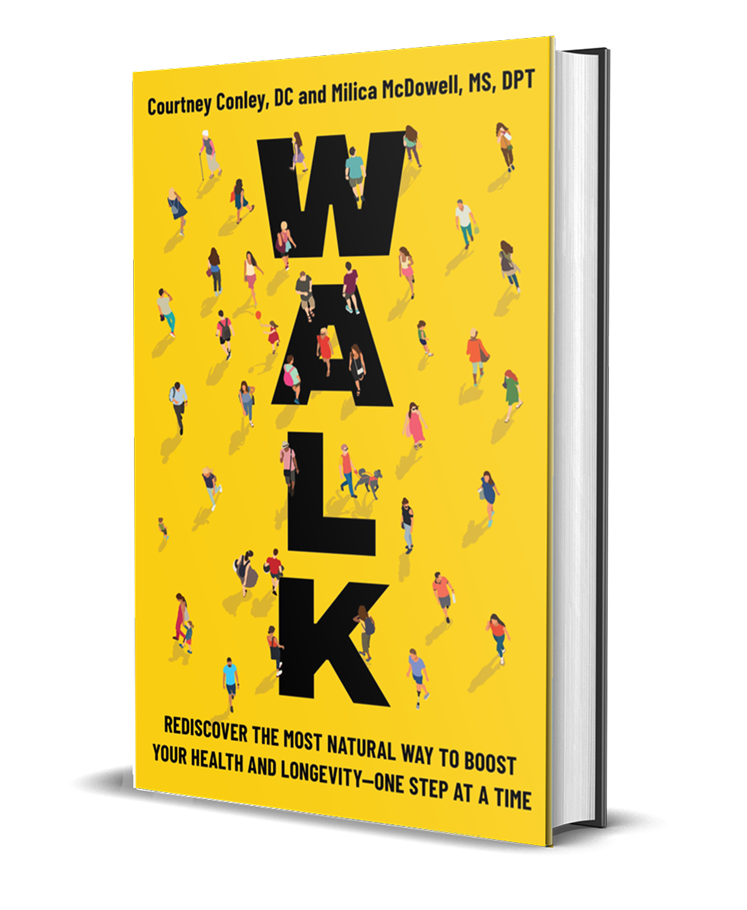
Walk - Dr. Conley’s New Book is HERE!
Discover the new rules of walking to increase your health, longevity, and overall wellbeing from two go-to experts.
Discover the new rules of walking to increase your health, longevity, and overall wellbeing from two go-to experts.