Foot Pronation vs Supination: Understanding the Differences
Introduction
Your feet are your body's foundation, and their health plays a crucial role in your overall well-being. Understanding the fundamentals of foot mechanics is essential for a healthier and more comfortable lifestyle. Foot pronation and supination, while they are terms you may not hear every day, are pivotal in this regard.
These concepts impact how you walk, run, and the health of your feet and legs. In this article, we'll dive into the world of foot pronation and supination, exploring their significance, their differences, and the impact they have on your daily activities. By the end, you'll be better equipped to identify, manage, and even prevent issues related to these essential foot movements, helping you put your best foot forward on the path to wellness.
Foot Pronation and Its Impact
Definition of Foot Pronation
To embark on our journey into the world of foot mechanics, we must first understand what foot pronation is. Pronation is a natural movement of the foot during walking and running, a vital part of your biomechanics. It involves the inward rolling of the foot as it makes contact with the ground and spreads the force of impact. This mechanism helps with shock absorption and allows for a smoother transition as your weight shifts from your heel to your toes.
Signs and Symptoms of Overpronation
While pronation is a normal and necessary function of the foot, overpronation occurs when the inward roll is more pronounced than usual. Signs of overpronation can manifest as your foot rolls too far inward or for too long during your gait. Common symptoms of overpronation may include:
Increased wear on the inner side of your shoe soles.
Frequent ankle injuries or sprains.
Knee pain and discomfort, often due to the misalignment of the foot and leg.
Hip and lower back pain, stemming from the misalignment that travels up the kinetic chain.
Impact of Overpronation
The effects of overpronation extend beyond foot discomfort. Over time, this condition can put excessive stress on the arches of your feet, leading to conditions such as plantar fasciitis or flat feet. Additionally, the misalignment of the foot can result in an altered gait pattern, which may exacerbate issues and contribute to injuries in other parts of the body, including the knees and lower back.
Understanding and identifying overpronation are essential steps in maintaining proper foot health and overall well-being.
We do want to state that just because you have flat feet, this does not necessarily mean that there is something wrong. Plenty of our clients ‘appear’ to have flat feet and in fact are very strong. It is more about how the foot functions, than what it looks like. We recommend either an in person or virtual consultation to assess the strength of your feet. LINK TO VIRTUALS, THS and KINETIC
Foot Supination and Its Effects
Definition of Foot Supination
Now, let's pivot from pronation to its counterpart, supination. Supination is the opposite of pronation and represents a vital aspect of the natural gait cycle. During supination, your foot's outer edge takes the majority of your body weight as you take a step. The foot is a dynamic system that is always adapting to our environment. It is in the phase of supination where we should see an increase in foot strength to help us propel forward.
Signs and Symptoms of Supination
Supination, while also a normal foot motion, can become problematic when it occurs excessively. Signs and symptoms of supination may include:
Increased wear on the outer edges of your shoe soles.
Ankle sprains or instability, as the foot's inability to absorb shock can affect balance.
Lower back and hip pain due to altered posture and gait.
Stress fractures or shin splints, which may result from the lack of shock absorption provided by the foot's natural inward roll.
Comparing Pronation and Supination
Visual and Functional Differences:
Pronation and supination are not only different in terms of the direction of foot movement but also in their functionality. While pronation aids in shock absorption, supination provides stability and leverage during the push-off phase of your stride.
Footwear Considerations
Understanding how your foot functions is crucial for choosing the right footwear.
We recommend footwear that has a wide toe box to allow the appropriate amount of toe splay. Then pending the mobility/strength of your foot, the appropriate recommendation can be made.
Injury Risks and Prevention
Feet that have a difficult time adapting, changing shape, pronating and/or supinating may result in injury.
Proper footwear, appropriate exercise routines, and orthotics, ONLY when necessary, can significantly reduce these risks. Understanding the differences between pronation and supination and their effects on your feet is a crucial step in maintaining good foot health and preventing potential injuries.
How to tell if your feet are adaptable
Knowing whether your feet can adapt is a valuable step in promoting foot health and preventing potential issues. Here are some tips and simple tests to help you find out:
Take a footprint
Wet your feet, or wet the soles of an old pair of shoes.
Stand on a piece of paper, or walk a few steps on the paper with your wet feet.
Examine the footprint or shoe sole. If you see a complete footprint that includes the entire sole of your foot, you likely have normal or neutral pronation. If the footprint shows a narrow connection between the front and back of the foot, you may have high arches and supination. Conversely, a footprint that shows a broad connection may indicate flat feet and overpronation.
AGAIN, this does not MEAN that there is something wrong with your feet. It may mean that you might want to have an assessment to see how your foot is functioning.
Strategies and Exercises for Managing Foot Pronation
If you discover that you have overpronation, it's essential to manage it effectively. Here are some strategies and exercises to consider:
Strengthening Exercises: Strengthening the muscles of your lower legs can help support your arches. Try exercises like calf raises and resistance band exercises. If you want a 12-week program for optimum foot health, try our Fit Feet Program, designed by clinicians and tailored to your feet.
Stretching Exercises: Stretching exercises can help improve flexibility in your feet and ankles. Consider calf stretches, Achilles stretches, and plantar fascia stretches.
Remember that managing pronation and other foot-related issues is not one-size-fits-all. It's essential to consult with a healthcare professional or a podiatrist to determine the best strategies and exercises tailored to your specific needs.
Conclusion
In conclusion, understanding the distinctions between foot pronation and supination is fundamental to maintaining your foot health. These natural variations in your gait can have a significant impact on your overall well-being. Let's recap the key points we've discussed in this article:
Pronation and Supination Defined: Pronation refers to the inward rolling of your foot during movement, while supination is the outward rolling motion. Both are essential components of the natural gait cycle.
Signs and Symptoms: Overpronation can lead to problems like bunions, and shin splints, whereas supination can result in issues such as ankle instability and plantar fasciitis.
Footwear Matters: Choose footwear that allows your foot to adapt. This would include a wide toe box, and pending available function, a flexible sole and a heel to toe that sit on the same plane.
Self-Identification: We've provided simple tests to help you determine the adaptability of your feet.
Proactive Management: Managing foot issues proactively is key to a comfortable and active lifestyle.
As you've learned, understanding your feet and how it impacts your gait is a crucial step toward optimal foot health. By taking proactive steps, such as choosing the right footwear and seeking professional guidance when needed, you can ensure that your feet carry you comfortably through life's adventures. Your feet deserve the care and attention to keep you active and pain-free. If you are local to Colorado, please visit Total Health Solutions or Kinetic Chiropractic for treatment or if you would like to see a Gait Happens Clinician online, you can book an appointment here.
Frequently Asked Questions (FAQs)
What's the difference between pronation and supination in the foot? Pronation is the inward rolling of the foot, while supination is the outward rolling motion. These motions are integral to a balanced gait and healthy foot function.
Are pronation and supination natural movements for the feet? Yes, both pronation and supination are normal components of the foot's natural movement during walking and running.
What are the common indicators of overpronation and its effects on foot health? Overpronation is marked by excessive inward rolling of the foot. It may manifest in flat feet, shin splints, and bunions, and can lead to various foot and leg problems.
What are the symptoms of supination and how does it affect the feet? Supination is defined by outward rolling of the foot. Symptoms may include ankle instability and conditions like plantar fasciitis. Supination can impact the distribution of forces during walking and running. This typically is a foot that appears to be more stiff, and rigid.
Does my foot function influence my choice of footwear? Indeed, your foot type (pronation, supination, or neutral) should be taken into consideration when selecting footwear. This choice can affect your comfort and the prevention of common injuries linked to gait imbalances.
Are there exercises and stretches that can assist in managing excessive foot pronation and supination. Yes, we've covered exercises and strategies in the article that can help manage overpronation, including strengthening and stretching exercises. These exercises enhance foot and leg function and help alleviate associated issues.
When should I consider seeking professional advice for foot concerns? If you're dealing with persistent discomfort, severe pain, or foot problems that disrupt your daily life, consulting a healthcare professional or podiatrist is recommended. They can offer an individualized assessment and suitable recommendations.
Please note that the answers provided here are for informational purposes only and should not replace professional medical advice. It is essential to consult with a healthcare professional for an accurate diagnosis and personalized treatment plan based on your specific condition.
Unlocking the Power of Muscle Strength: Mastering Rotation for Effortless Walking
Understanding the Role of Muscle Strength in Controlled Rotation
Walking is a fundamental activity that involves the coordinated effort of various joints and muscles. These components work in harmony to maintain stability and prevent injuries in areas such as the hips, pelvis, knees, and feet. In this exploration, we will delve deep into the crucial significance of muscle strength when it comes to controlling rotation within these essential regions. Through this, we will unveil the profound influence that muscle strength holds over our walking mechanics.
Exploring Muscle Strength's Role in Rotation: Beyond Simple Movement
Walking is more than just a linear motion; it encompasses a complex interplay of actions. While the straightforward aspect of walking is easily recognizable, the finesse of controlled rotation elevates this everyday activity to a sophisticated level.
Controlled rotation, which occurs within the hips, pelvis, knees, and feet, serves as the foundation for adapting to various surfaces, maintaining balance, and achieving efficient propulsion. These controlled rotations, whether they involve subtle internal adjustments or graceful external shifts, ensure a seamless integration of alignment, stability, and energy distribution throughout the entire gait cycle.
The Mighty Hips: Protectors of Controlled Rotation
Undoubtedly, the hips play a pivotal role in shaping these intricate rotations. A multitude of muscles, including the glutes, hip flexors, and rotators, actively contribute to this process. The dynamic collaboration between muscles such as the gluteus medius, minimus, and others takes center stage. Their strength not only stabilizes the pelvis but also governs the precision of hip movements. In a manner akin to sturdy pillars, these muscles counteract undesired tilting or dropping of the pelvis, ensuring consistent balance with each step taken.
The Pelvis: Foundation of Stability
Going beyond its structural role, the pelvis acts as a connecting element between the spine and lower limbs. This connection relies on deep core muscles, hip abductors, and pelvic rotators. These muscle groups work in synergy to orchestrate the graceful rhythm of controlled rotations. They ensure impeccable alignment by curtailing any excessive pelvic movement, and they facilitate the seamless transfer of force from the lower limbs. Comparable to adept conductors, these muscles guide the harmonious rhythm of movement.
The Knees: Guardians of Alignment and Resilience
Serving as intermediaries between the hips and feet, the knees shoulder a critical responsibility in transmitting rotational forces. Resilient quadriceps and hamstrings, essential muscle pairs, uphold stability and regulate rotational forces around the knee joint. Their robustness functions as a protective shield, preventing misalignment and guarding against stress-related issues. Notorious injuries like patellofemoral pain syndrome or IT band syndrome are kept at bay thanks to these muscles' strength.
The Feet: Foundation of Movement
Central to the interaction with the ground are the feet, which are composed of bones, muscles, and joints. Foot and ankle muscles—the calf muscles, intrinsic foot muscles, and tibialis anterior—guide the intricacies of foot movements. These muscles act as a compass, guiding delicate rotations and preventing extreme pronation or supination. This synchronized strength ensures an equitable distribution of weight, a pivotal factor for achieving effective propulsion with each step.
Delving Deeper into Muscle Groups: Crafting Controlled Rotation
Hip Muscles: The gluteus medius and minimus, in conjunction with hip flexors and rotators, emerge as the key players in controlled rotation. While the medius and minimus ensure the stability of the pelvis, the hip flexors initiate the rotation, and the rotators finesse its precision.
Deep Core Muscles: Transverse abdominis and multifidus, often overlooked core muscles, form the bedrock of pelvic stability. Their role is pivotal in maintaining proper alignment and curbing excessive movement during walking.
Quadriceps and Hamstrings: These muscle pairs offer more than just stability around the knee joint—they also regulate rotational forces. Their strength guarantees alignment, shielding against knee-related problems during the gait cycle.
Calf Muscles and Tibialis Anterior: Functioning in harmony, the calf muscles aid in propulsion, while the tibialis anterior counteracts excessive foot pronation. Together, they navigate controlled foot movement and prevent imbalances.
Understanding Long-Term Implications: Safeguarding Against Injuries
Impact of Poor Gait Control and Injuries: The consequences of inadequate muscle strength and coordination extend beyond immediate discomfort. Mismanaged rotations can lead to injuries such as sprains, strains, and even stress fractures. Weak muscle support can cause misalignment, resulting in joint discomfort, inflammation, and chronic pain.
Quality of Life Considerations: The effects of impaired gait control reach beyond physical discomfort. Persistent pain can restrict mobility, disrupt daily activities, and erode overall quality of life. Prolonged discomfort might hinder individuals from fully enjoying their favorite activities. If you are local to Boston, please visit Stride Physical Therapy. If you are local to Colorado, please visit Total Health Solutions or Kinetic Chiropractic for treatment or if you would like to see a Gait Happens Clinician online, you can book an appointment here.
Conclusion: Embracing Strength for Controlled Rotation
Muscle strength and control play a pivotal role in the rotations within the hips, pelvis, knees, and feet during walking. By ensuring optimal alignment, stability, and energy transfer, the right muscle strength and coordination for your desired activity level contribute to efficient and safe walking and running.
Incorporating targeted strength training exercises focusing on these key areas can amplify your walking performance, diminish injury risks, and empower you to embrace the rewards of walking with poise and comfort. Remember, with dedication and unwavering commitment, you can cultivate the power and control required for a truly remarkable walking experience. If you want a 12-week program for reduced pain and symptoms and optimum foot health, try our Fit Feet Program, designed by clinicians and tailored to your feet.
Curious to delve deeper into the impact of muscle strength on your walking journey? Schedule a personalized consultation with a Gait Happens expert. Benefit from a thorough gait assessment, gain insights into your strength and mobility, and receive personalized exercise recommendations aimed at enhancing efficiency, alleviating discomfort, and proactively addressing potential injury risks.
Frequently Asked Questions (FAQs)
Why is muscle strength essential for effective gait coordination?
Muscle strength is a cornerstone of efficient gait coordination. Strong muscles provide stability and control during walking, ensuring smooth and balanced movements. Without adequate muscle strength, gait coordination can suffer, leading to imbalances and less effective walking patterns.
How does maintaining muscle strength impact overall well-being?
The maintenance of muscle strength extends beyond gait coordination; it has broader implications for daily life. Strong muscles support joint health, enhance posture, boost metabolism, and decrease the risk of injuries. Additionally, robust muscles contribute to improved overall physical functionality and quality of life.
What advantages does muscle strength offer for gait coordination?
Muscle strength offers several benefits for gait coordination. It enables controlled and balanced movements during walking, helping to maintain proper alignment and stability. Consequently, strong muscles reduce the chances of stumbling or falling and enhance the efficiency of the gait cycle.
How does muscle weakness affect gait coordination negatively?
Muscle weakness disrupts gait coordination by undermining stability and balance. Weak muscles can lead to irregular movement patterns, compelling the body to compensate, resulting in less effective walking mechanics. This situation can contribute to gait dysfunctions and elevate the risk of injuries.
Can enhancing muscle strength positively impact gait coordination?
Absolutely, enhancing muscle strength can significantly improve gait coordination. Strengthening the muscles relevant to walking, such as those in the hips, thighs, and calves, enhances stability and support, leading to more fluid and efficient gait patterns.
In what ways does muscle strength training benefit gait coordination?
Muscle strength training improves the function of muscles involved in gait coordination. Strong muscles enable precise control over movements, facilitating coordinated adjustments during walking. Consequently, this fosters balanced and synchronized gait patterns.
Is muscle strength training effective for preventing gait dysfunctions?
Yes, muscle strength training can play a pivotal role in preventing gait dysfunctions. Strengthening the muscles that underpin gait coordination helps maintain stability and correct alignment, diminishing the likelihood of developing imbalanced movement patterns that might lead to gait dysfunctions.
How does muscle strength impact the overall quality of gait?
Muscle strength exerts a substantial influence on the overall quality of gait. Strong muscles empower the body to execute controlled and steady movements, thereby enhancing the fluidity of the gait cycle. This, in turn, reduces the risk of stumbling, promoting a confident and effective walking rhythm.
Can maintaining muscle strength enhance balance during walking?
Certainly, maintaining muscle strength can enhance balance while walking. Strong muscles provide a solid foundation for maintaining an upright posture and executing coordinated movements. This, in turn, helps prevent instability and lowers the risk of losing balance during walking.
How does muscle strength contribute to energy-efficient walking?
Muscle strength contributes to energy-efficient walking by enabling controlled and economical movements. With adequate muscle support, each step requires less effort, conserving energy and making walking more sustainable and less tiring.
Understanding the vital role of muscle strength in gait coordination emphasizes the importance of integrating strength training exercises into your routine. By bolstering muscle strength, you not only enhance gait coordination but also foster overall physical well-being and functional autonomy.
Please note that the answers provided here are for informational purposes only and should not replace professional medical advice. It is essential to consult with a healthcare professional for an accurate diagnosis and personalized treatment plan based on your specific condition.
Unraveling Gait Dysfunctions: Navigating Challenges in Rotation and Lateral Movement Control
Embracing the Complexity of Walking
Walking, often taken for granted, is a marvel of coordination involving numerous joints, muscles, and sensory feedback. Yet, for some individuals, this seemingly simple act can become a struggle due to difficulties in controlling rotation and lateral movement. These challenges give rise to what we call gait dysfunctions. In this article, we will delve deep into the world of common gait dysfunctions caused by issues in rotation and lateral movement control. By shedding light on these complexities, we aim to comprehensively understand the origins and impact of these problems, while also exploring how to address them.
Understanding the Nature of Common Gait Dysfunctions
Excessive Internal or External Rotation: Finding the Equilibrium
Internal Rotation Dysfunction: When a leg excessively turns inward during walking, it signals an internal rotation dysfunction. This issue can stem from muscle imbalances or coordination problems, leading to a gait where the toes point inward. This not only disrupts stability but also affects the natural alignment of the lower limbs.
The causes of excessive internal rotation are varied. Muscle imbalances in the hip rotators, insufficient activation of the gluteus medius (a hip muscle), or even structural irregularities in the hip joint can contribute. Individuals experiencing this dysfunction may encounter discomfort, changes in their walking pattern, and a reduction in overall mobility. Over time, this can result in joint wear and tear, potentially causing hip osteoarthritis, and even affecting the spine and lower back.
External Rotation Dysfunction: On the other hand, when a leg excessively rotates outward, it indicates an external rotation dysfunction. This can result from muscle imbalances, structural irregularities, or compromised control. This dysfunction compromises stability, balance, and the overall efficiency of walking.
Excessive external rotation can have various origins. Weak hip internal rotators or tight external rotators could be contributing factors. People grappling with this dysfunction may struggle with balance issues and discomfort in their daily activities. If not addressed, the strain on the hip joint could lead to hip pain, IT band syndrome, and could even contribute to lower back issues over time.
Lateral Movement Patterns: Walking Sideways
Trendelenburg Gait Dysfunction: This dysfunction becomes evident when the pelvis dramatically drops on the unsupported side while walking, known as the Trendelenburg sign. For example, when the left leg bears weight, the right hip and pelvis drop towards the ground. Weak hip abductor muscles, especially the gluteus medius, are often responsible for this pattern. As a compensatory mechanism, individuals may lean or shift their trunk towards the weaker side, disrupting their gait.
The root cause of the Trendelenburg gait often lies in weak hip abductor muscles, particularly the gluteus medius. This dysfunction can significantly impact daily life, leading to a limp, discomfort, and reduced stability. If left untreated, altered biomechanics might strain the lumbar spine and lower extremities, potentially contributing to conditions like sciatica and hip bursitis.
Ataxic Gait Dysfunction: Individuals with ataxic gait encounter challenges related to uncoordinated movements, including lateral instability and compromised balance control. Neurological conditions or damage to the cerebellum, responsible for coordination and fine motor control, underlie this intricate dysfunction.
Neurological conditions like multiple sclerosis or cerebellar ataxia can trigger ataxic gait. Beyond its physical implications, this dysfunction can significantly affect a person's quality of life. Simple tasks become difficult, leading to decreased independence and confidence. If untreated, the long-term effects might include an increased risk of falls, reduced mobility, and further deterioration in fine motor skills.
The Wider Implications on Gait Mechanics: A Cascade Effect
Gait dysfunctions arising from poor rotation and lateral movement control have broader consequences:
Increased Risk of Falls: Unsteady movements elevate the risk of falls and resultant injuries.
Altered Joint Mechanics: Abnormal loading patterns reverberate through the joints, potentially leading to joint pain or degenerative issues over time.
Energy Inefficiency: Inappropriate or excessive movements consume more energy, affecting overall energy expenditure during walking.
Recognizing Symptoms and Making a Diagnosis
Detecting gait dysfunctions involves recognizing their telltale signs:
Visual Cues: Observable changes in walking patterns, such as uneven strides or excessive swaying.
Pain and Discomfort: Individuals may experience pain, discomfort, or muscle fatigue while walking or afterward.
Balance Issues: An altered sense of balance or frequent stumbling.
Coordination Challenges: Uncoordinated movements, staggering, or veering while walking.
Diagnosing gait dysfunctions often entails a comprehensive evaluation by a healthcare professional, typically a physiotherapist or orthopedic specialist. Gait analysis, physical examinations, and, if necessary, imaging tests help facilitate an accurate diagnosis. At Gait Happens we train professionals to master gait analysis and to treat in response to this analysis. You can learn more about how we prescribe and assess in our Professional Trainings here.
Options for Treatment: Paving the Road to Recovery
Various treatment avenues are available to address gait dysfunctions:
Preventive measures are paramount to maintaining healthy gait mechanics, particularly among high-risk populations. Strategies to fend off common gait dysfunctions include:
Strength Training: Prioritize strengthening muscles that support hips, pelvis, and core. Targeted exercises for hip abductors, internal and external rotators, and the gluteus medius can enhance stability.
Balance and Proprioception Training: Include exercises that challenge balance and proprioception for improved coordination and stability.
Regular Physical Activity: Engage in consistent physical activity to sustain muscle strength, joint flexibility, and overall fitness.
Appropriate Footwear: Consult a podiatrist or footwear specialist to find suitable shoes if you have concerns or specific needs.
Weight Management: Maintaining a healthy weight reduces strain on joints and promotes overall gait health.
Regular Check-ups: Periodic healthcare appointments can identify early signs of gait dysfunctions and address them promptly.
In Conclusion: Paving the Path to Enhanced Mobility
Within the intricate tapestry of human movement, the interplay of rotation and lateral control assumes center stage. However, disruptions in this harmony can lead to gait dysfunctions, casting shadows on both mobility and stability. This comprehensive exploration into prevalent gait dysfunctions underscores the importance of recognizing signs, obtaining accurate diagnoses, and embracing timely interventions.
Recognizing the Importance of Proper Evaluation and Management: Guiding Toward Enhanced Gait
Every misstep in gait can resonate far beyond the present moment, impacting not only immediate physical comfort but also overall quality of life.
The journey toward renewed mobility requires understanding, awareness, and a commitment to addressing challenges proactively. Navigating gait dysfunctions is not a solitary voyage; it's a collaborative effort between individuals and healthcare providers. Together, we pave the way for a more confident, stable, and empowered stride, unlocking the door to renewed freedom and enhanced well-being.
Frequently Asked Questions (FAQs) about Gait Dysfunctions
What is gait dysfunction?
Gait dysfunction refers to abnormal walking patterns and movements that deviate from the usual coordinated stride. It involves difficulties in controlling rotation, balance, and lateral movement during walking, which can lead to instability and discomfort.
How can I recognize if I have a gait dysfunction?
You might have a gait dysfunction if you notice consistent changes in your walking style, experience frequent stumbling or tripping, or feel imbalanced or unsteady while walking.
What causes gait dysfunctions?
Gait dysfunctions can stem from various factors, including muscle imbalances, neurological conditions, structural irregularities, or compromised coordination. Weakness in specific muscles or issues in the brain's coordination centers can contribute.
Can gait dysfunctions lead to other problems?
Yes, gait dysfunctions can have broader effects on your well-being. They can increase the risk of falls and injuries due to instability. Additionally, abnormal loading patterns on joints might lead to joint pain or degenerative conditions over time.
How can gait dysfunctions be diagnosed?
Diagnosis usually involves a thorough assessment by healthcare professionals such as physiotherapists or orthopedic specialists. Gait analysis, physical examinations, and possibly imaging tests can help accurately diagnose the specific gait dysfunction.
Are gait dysfunctions treatable?
Yes, many gait dysfunctions are treatable. Treatment approaches depend on the underlying cause and severity. Options may include physical therapy, using assistive devices, surgical interventions, lifestyle changes, and targeted treatments for contributing neurological conditions.
Can gait dysfunctions be prevented?
Yes, certain gait dysfunctions can be prevented or mitigated. Strategies include staying physically active, wearing appropriate footwear, maintaining a healthy weight, incorporating balance and proprioception exercises, and seeking regular check-ups.
When should I seek medical attention for gait dysfunction?
If you notice persistent changes in your walking pattern, experience discomfort or pain during or after walking, or feel unsteady while walking, it's advisable to consult a healthcare professional. They can evaluate your condition and recommend suitable treatment.
How important is it to address gait dysfunctions?
Addressing gait dysfunctions is vital for both physical comfort and overall quality of life. These dysfunctions can lead to instability, pain, and reduced mobility. Left untreated, they might contribute to more severe issues such as joint problems and falls.
Remember, recognizing the signs of gait dysfunction and seeking timely medical attention can significantly enhance your ability to move comfortably and confidently.
Please note that the answers provided here are for informational purposes only and should not replace professional medical advice. It is essential to consult with a healthcare professional for an accurate diagnosis and personalized treatment plan based on your specific condition.
Demystifying the Art of Walking: Exploring the Delicate Dance of Pelvic, Hip, Knee, Ankle, and Foot Movements
Introduction
Walking might seem like a simple stroll, but the choreography of motion beneath the surface is far from ordinary. This graceful act involves a complex collaboration of joints and muscles in our pelvis, hips, knees, ankles, and feet. In this article, let's delve into the mechanics of walking, uncovering the role of each joint in this intricate dance. Get ready to unravel the secrets of our body in motion!
The Pelvis: The Central Pivot
Our journey begins with the pelvis, a pivotal point where the upper and lower body meet during walking. When we step, the pelvis gently tilts forward, ensuring a smooth shift of weight and facilitating leg movement. This subtle tilt is a key player, allowing our swinging leg to glide effortlessly and maintaining a balanced stride length.
But wait, there's more! The pelvis does more than provide a meeting point. Its stable posture during the stance phase is like a solid foundation for the whole body. This stability not only divides our weight smartly but also shapes our posture during walking. Moreover, the pelvis's partnership with the spine and core muscles adds to stability and posture.
The Hips: Stability and Power
Now, let's zoom in on the hip joints, which are like the anchors of walking. As our swinging leg moves forward, the hip joint bends to create space for the foot. Meanwhile, the standing leg pushes the body ahead by extending the hip, pushing us forward. This elegant hip movement on both sides crafts a fluid, balanced rhythm of walking.
Understanding hip mechanics reveals even more magic. Muscles like hip abductors and adductors join forces to steady the pelvis during the stance phase, ensuring steady steps even on uneven terrain. The gluteal muscles, especially the gluteus maximus, flex their muscle to extend the hip – a crucial step for propelling us forward.
The Knees: Weight-Bearing Heroes
Our knees, the connection between thighs and lower legs, play a hero's role in carrying weight and cushioning each step's impact. When the foot lands, the knee bends elegantly to soak up the shock. As we stride forward over the planted foot, the knee extends gracefully, giving us a push ahead. Keeping our knees aligned and stable is vital for a smooth, efficient gait.
Diving into knee mechanics, we uncover the teamwork of muscle groups like quadriceps and hamstrings. These buddies stabilize the knee and manage its bending and straightening. Also, the proper alignment of the kneecap within its groove prevents hiccups during movement, ensuring a comfortable stroll.
The Ankles: Flexibility and Stability
Now let's meet the ankles, the dynamic hinges that gift us flexibility, stability, and adaptability with every step. As our foot moves from heel to toe, the ankle's motion is like a dance sequence. During the first touch, the ankle points downward, allowing the foot to flatten smoothly. Later in the gait, as the body forges ahead, the ankle moves upward, providing the energy to propel us forward.
Taking a closer look at ankle biomechanics, we realize the value of intrinsic foot muscles. These unsung heroes within our feet maintain arch support and stability. Pumping up these muscles enhances shock absorption and powers a more effective push-off during the gait cycle.
The Feet: The Foundation
Our feet, with their intricate bones, muscles, and ligaments, are the unsung heroes that support our movement. The arches of our feet act as natural shock absorbers, spreading the forces from each step. The synchronized foot movement ensures a graceful shift of weight, ensuring stability and minimizing the chance of injuries.
Going a bit deeper into foot mechanics, we uncover the three types of arches – flat, neutral, and high. Each type shapes how forces move through the body, impacting alignment. Understanding your arch type helps you choose the right footwear and exercises to prevent imbalances and discomfort. If you want a 12-week program for reduced pain and symptoms and optimum foot health, try our Fit Feet Program, designed by clinicians and tailored to your feet.
Conclusion: A Symphony of Motion
Walking is like a symphony, where each joint – pelvis, hips, knees, ankles, and feet – plays its unique melody, harmonizing to craft an elegant and efficient gait.
Grasping these mechanics doesn't just unveil the secrets of our movement but also guides us toward better biomechanics. Whether you're a healthcare hero, an athlete, or simply intrigued by the wonders of the human body, exploring the intricate mechanics of walking unveils our astounding potential.
Walking is a masterpiece, a dance of mechanics. Armed with this newfound knowledge, step out with a fresh perspective on the amazing mechanics that make walking an everyday marvel.
Discover More: Your Gait, Your Journey
Keen to explore further? Unlock the nuances of your individual gait pattern and strength requisites with an appointment with clinicians at Gait Happens who are happy to consult with you. . Our comprehensive gait assessment, coupled with an observation of strength and mobility, will equip us to provide tailored exercise recommendations. Boost efficiency, curb symptoms, and preemptively address future injury risks – your journey to an optimized gait begins here.
So, lace up those shoes, step out, and immerse yourself in the sheer splendor of walking. With every stride, you're embracing the symphony of mechanics that allows you to move with grace, ease, and limitless potential.
From the gentle pivot of your pelvis to the rhythmic dance of your feet, each joint has a story to tell in the saga of human locomotion. It's time to listen and embark on a journey to enhance the way you walk – your body's timeless expression of strength and fluidity.
Frequently Asked Questions (FAQs) about Walking Mechanics
Why is understanding walking mechanics important?
Comprehending walking mechanics is crucial as it unravels the intricate movements of joints and muscles during walking. This knowledge aids in enhancing efficiency and reducing injury risks.
What does walking mechanics or gait mechanics mean?
Walking mechanics, also known as gait mechanics, refers to studying joint and muscle movements during walking. It analyzes how the pelvis, hips, knees, ankles, and feet collaborate to create a coordinated walking pattern.
How do proper walking mechanics benefit us?
Proper walking mechanics lead to efficient and comfortable walking. It reduces strain, minimizes injuries, optimizes energy use, and enhances stability and balance.
Accordion Title
Click edit button to change this text. Lorem ipsum dolor sit amet, consectetur adipiscing elit. Ut elit tellus, luctus nec ullamcorper mattis, pulvinar dapibus leo.
Can walking mechanics be analyzed mechanically?
Yes, walking mechanics can be mechanically analyzed using technologies like motion capture systems and computer simulations. These techniques provide insights into joint movements during walking.
What role does the pelvis play in walking mechanics?
The pelvis acts as a pivot, tilting forward to facilitate weight transfer and leg movement. It ensures stability and influences posture during walking.
How do hip joints contribute to walking mechanics?
Hip joints offer stability, mobility, and power generation. They bend as the leg swings forward and extend to push the body. Hip movements create a balanced walking rhythm.
How do knees function during walking?
Knees bear weight and absorb shock in walking. They bend during ground contact and extend to move forward. Proper knee alignment and stability are vital for a smooth walking gait.
How do ankles contribute to walking mechanics?
Ankles act as hinges, providing flexibility, stability, and adaptability. They transition the foot from heel to toe, crucial for shock absorption and propulsion.
What is the significance of foot mechanics in walking?
Foot mechanics involve bones, muscles, and ligaments. Foot arches act as shock absorbers, distributing forces. Understanding arch types helps in selecting proper footwear and exercises.
How can I improve walking mechanics?
Improvement involves awareness and exercises. Focus on posture, stride, and foot placement. Strengthen core and lower limb muscles. Consult professionals for personalized guidance.
Can analyzing walking mechanics prevent injuries?
Yes, analyzing mechanics can identify strain or improper patterns, helping prevent overuse injuries. Corrective exercises and analysis can promote healthier walking.
Is understanding walking mechanics beneficial for athletes?
Yes, athletes benefit from efficient walking mechanics. Improved movement patterns enhance performance and reduce sports-related injuries.
How can I incorporate proper walking mechanics into daily life?
Be mindful of posture, stride, and foot placement. Maintain a straight posture, engage core muscles, and allow natural foot landing. Regular exercise and healthy weight contribute to proper mechanics.
Where can I learn more about walking mechanics?
Resources include books, articles, online videos, and professional consultations. Experts in biomechanics, physical therapy, and sports science provide valuable insights.
Can walking mechanics be improved for people with specific conditions?
Yes, walking mechanics can be enhanced despite limitations. Healthcare professionals can tailor exercises and strategies to accommodate individual needs and improve walking mechanics.
Please note that the answers provided here are for informational purposes only and should not replace professional medical advice. It is essential to consult with a healthcare professional for an accurate diagnosis and personalized treatment plan based on your specific condition.
Unraveling the Secrets of Walking: A Journey through the Phases of Gait
Introduction
Walking is like a dance of the body's parts – joints and muscles in sync. To truly understand how we move, let's take a closer look at the different phases of walking. These are not just steps; they're the building blocks of how we stroll. Let's dive into the phases, understand how they work together, and discover the magic of our joints and muscles in action.
By comprehending the significance of each stage, the way they intertwine, and the roles played by our main joints, we can uncover the mechanics of walking. In this article, we embark on a journey to delve into the essential phases of walking, unveiling how our joints and muscles collaborate in each step.
Stance Phase: The Steady Ground
Imagine a walk in slow motion, and you'll see that around 60% of that time, one foot is firmly on the ground. This is the stance phase. Let's break down what's happening with our joints and muscles:
Pelvis: The pelvis stays steady, acting like a solid base that holds us up and keeps us balanced.
Hip: As the foot touches the ground, the hip slightly moves forward, then back as we shift our weight, helping us move forward. The gluteal muscles, the big ones at our buttocks, play a role in keeping us steady and moving our hip.
Knee: When our foot lands, the knee bends a little. This bending helps our body absorb the shock. As we move, the knee straightens to keep us steady, and it's our quadriceps and hamstrings – the muscles at the front and back of our thighs – that make this happen.
Ankle: When the foot lands, the ankle bends, and as we move, it pushes off the ground, giving us momentum. It's our calf muscles – the ones in our lower legs – that do this work.
Foot: Our foot goes through some fancy moves during this phase. At first, it rolls inward a bit to absorb the shock. As we push off the ground, it rolls outward. It's a teamwork of muscles and tendons in our foot and lower leg that keeps us steady.
By understanding what each joint and muscle is doing during the stance phase, we get a peek into the magic of walking. This knowledge helps us improve the way we move.
Swing Phase: The Graceful Lift
Now, let's imagine the other 40% of our walk – the time when one foot is off the ground. This is the swing phase. Here's what's happening:
Pelvis: The pelvis tilts slightly forward, helping our leg move without tripping. Muscles in our hips, like the hip flexors, help with this movement.
Hip: As we take a step, our hip bends, getting ready for the next stride. It's the hip flexor muscles again that lift our thigh and help our leg move forward.
Knee: Our knee bends as our leg swings forward, giving space for our foot to clear the ground. The muscles at the back of our thighs, like the hamstrings, make this bending possible.
Ankle: The ankle bends upward as our foot swings forward, preventing it from hitting the ground. A muscle at the front of our shin, the tibialis anterior, takes care of this movement.
Foot: During this phase, the foot relaxes, not actively taking part in moving us forward. It's like our foot is just going with the flow.
All these joint movements during the swing phase work together, creating a seamless motion. This smooth teamwork lets us move without stumbling and keeps us balanced.
Transitions: From Stance to Swing and Back
The moments when we shift from one phase to another are crucial. This is where balance and movement meet:
Weight Transfer: As the stance phase ends, we shift our weight from one leg to the other. Muscles in our hips and legs help us move our center of gravity smoothly.
Initiation of Swing: The next phase starts with a lift of our leg, powered by muscles like the hip flexors and quadriceps. Our foot clears the ground, thanks to the tibialis anterior.
Balance and Stability: When we're between phases, with both feet off the ground, we're still stable. Our joints and muscles work together to keep us from falling.
Efficient Movement: Our body moves smoothly from stance to swing. This transition helps us save energy and move more easily.
Shock Absorption: The way our ankle moves during these transitions helps absorb shock, saving our joints from too much stress.
Conclusion
In summary, the transitions between stance and swing phases are pivotal moments in walking. The interplay of joints like the hip, knee, ankle, and their corresponding muscles keeps us balanced, stable, and propelling forward.
These transitions, along with shock absorption, contribute to the elegance of walking. Understanding joint coordination during these shifts lets us appreciate the intricacies of our walking patterns.
Gait involves an orchestrated movement of joints during different phases. By understanding the primary joint actions in each gait phase, we can fathom the mechanics behind our steps. The pelvis, hips, knees, ankles, and feet work in harmony for stability, shock absorption, and efficient motion. By comprehending these phases, we can stride with awareness, embracing the joint dance that allows us to walk gracefully and effortlessly.
Frequently Asked Questions (FAQs) about Gait Phases
What are the different phases of the gait cycle?
The gait cycle comprises the stance phase and the swing phase, each playing a distinct role in the walking process.
Can you explain the phases of the gait pattern?
Certainly! The gait pattern consists of the stance phase, when the foot is on the ground, and the swing phase, when the foot is off the ground.
How do the phases of the gait cycle impact walking mechanics?
The gait cycle phases coordinate joint movements for balance, stability, and forward movement. The stance phase provides stability, shock absorption, and propulsion, while the swing phase ensures leg clearance and prepares for the next step.
Why is understanding the stance phase important in gait analysis?
The stance phase forms the majority of the gait cycle and influences balance, stability, and energy transfer during walking. It’s a critical focus in gait analysis for improvement.
What is the significance of the swing phase in walking?
The swing phase ensures the leg clears the ground and prepares for the next step. It involves coordinated movements of the hip, knee, ankle, and foot to create a smooth and efficient motion.
How do the phases of the gait cycle relate to everyday movements?
Understanding the gait cycle phases is fundamental to walking and many lower body movements. It helps us walk smoothly, maintain balance, and transition between steps in daily activities.
Can learning about the phases of the gait cycle help improve my walking technique?
Absolutely! Understanding gait phases empowers you to identify areas for improvement in your walking mechanics. Focusing on proper joint coordination, weight transfer, and balance can enhance your walking technique and reduce strain on your joints. If you want a 12-week program for reduced pain and symptoms and optimum foot health, try our Fit Feet Program, designed by clinicians and tailored to your feet.
Remember, grasping the concept of gait phases enriches your knowledge of how your body moves during walking, empowering you to make positive changes for better movement.
Please note that the answers provided here are for informational purposes only and should not replace professional medical advice. It is essential to consult with a healthcare professional for an accurate diagnosis and personalized treatment plan based on your specific condition.
Why Foot Biomechanics Matter: Implications for Daily Activities
Introduction
Foot biomechanics play a crucial role in our daily activities and overall well-being. The term refers to the study of how the bones, muscles, ligaments, and tendons in our feet work together to support movement and maintain proper alignment. Understanding foot biomechanics is essential because it affects various aspects of our lives, including mobility, stability, and the prevention of injuries.
Definition of Foot Biomechanics
Foot biomechanics refers to the intricate system of structures and functions within our feet that allow us to move, balance, and bear weight efficiently. It encompasses the alignment of bones, the flexibility of joints, the strength of muscles, and the distribution of forces during walking, running, and other activities. Foot biomechanics influences our gait patterns, posture, and overall movement mechanics.
Significance of Understanding Foot Biomechanics for Overall Well-being
Understanding foot biomechanics is crucial for maintaining optimal foot health and overall well-being. When our feet function properly, they provide a stable base of support, absorb shock effectively, and distribute forces evenly throughout the body. This not only enhances our ability to move efficiently but also reduces the risk of developing foot-related problems and injuries.
By comprehending foot biomechanics, we can identify potential issues or imbalances that may affect our feet and other areas of the body. With this knowledge, we can take appropriate measures to promote proper foot alignment, strengthen weak muscles, improve flexibility, and seek professional advice when necessary. Ultimately, understanding foot biomechanics empowers us to prioritize foot health and engage in activities with confidence, comfort, and reduced risk of injury.
In the following sections, we will delve deeper into the various aspects of foot biomechanics and explore its implications for daily activities. We will discuss how foot biomechanics affects movement, the impact on specific activities, the connection to injury prevention, and the overall quality of life. By the end of this article, you will have a comprehensive understanding of why foot biomechanics truly matters in our daily lives and how it can significantly impact our overall well-being.
The Science Behind Foot Biomechanics
Structure and Function of the Foot
The foot is a complex structure consisting of 26 bones, 33 joints, and over 100 muscles, tendons, and ligaments. It is divided into three main sections: the forefoot, midfoot, and hindfoot. Each part contributes to the overall function of the foot.
The forefoot includes the metatarsals and toes, which provide flexibility for propulsion and balance. The midfoot comprises the arches, which act as shock absorbers and distribute weight evenly during weight-bearing activities. The hindfoot consists of the talus and calcaneus (heel bone), providing stability and support.
Role of Joints, Muscles, and Arches in Foot Movement
Joints: The joints of the foot, including the ankle, subtalar joint, and various small joints, allow for a wide range of movements. These movements include dorsiflexion (lifting the foot upward), plantarflexion (pointing the foot downward), inversion (turning the sole inward), and eversion (turning the sole outward). The coordinated action of these joints enables proper foot mechanics during walking, running, and other activities.
Muscles: The muscles in the foot play a crucial role in foot biomechanics. They provide stability, control movement, and generate the forces necessary for propulsion and balance. The muscles of the lower leg, such as the calf muscles (gastrocnemius and soleus), control ankle movement, while intrinsic foot muscles support the arches and contribute to foot alignment and movement control.
Arches: The foot's arches, including the medial longitudinal arch, lateral longitudinal arch, and transverse arch, help distribute weight and absorb shock during weight-bearing activities. The arches are maintained by the interplay between muscles, tendons, and ligaments. They act as natural shock absorbers, reducing the impact forces on the feet and the rest of the body.
Biomechanical Principles Related to Weight Distribution and Gait Patterns
Weight Distribution: Proper foot biomechanics ensure even weight distribution across the foot. This helps prevent excessive pressure on specific areas and reduces the risk of developing foot conditions such as plantar fasciitis or metatarsalgia. When weight is distributed evenly, the foot can function optimally, providing stability and reducing the risk of injury.
Gait Patterns: Gait refers to the manner in which we walk or run. Foot biomechanics play a significant role in gait patterns, including step length, cadence, and foot strike patterns. An efficient gait relies on proper alignment, muscle coordination, and optimal foot mechanics. Deviations from normal gait patterns can lead to various issues, including inefficient movement, instability, and increased stress on the lower limbs.
Understanding the intricate science behind foot biomechanics helps us comprehend how the foot functions as a complex system. By appreciating the structure and function of the foot, the role of joints, muscles, and arches, and the principles related to weight distribution and gait patterns, we gain valuable insights into how foot biomechanics influences our daily activities and overall movement mechanics.
The Impact of Foot Biomechanics on Daily Activities
Walking and Running
Proper foot biomechanics play a crucial role in supporting efficient and comfortable walking and running. When the foot functions optimally, it allows for smooth weight transfer, shock absorption, and propulsion.
Walking: During walking, the foot strikes the ground with the heel and rolls through the midfoot, distributing the body's weight evenly. The arches of the foot provide stability and act as natural shock absorbers, reducing the impact on joints and soft tissues. Proper foot biomechanics contribute to a fluid gait pattern and help prevent excessive strain on the feet, knees, hips, and lower back.
Running: Running places higher demands on the foot biomechanics. With each stride, the foot needs to handle increased forces and provide efficient propulsion. Optimal foot biomechanics allow for proper weight distribution, a balanced push-off, and effective shock absorption. It helps runners maintain a steady pace, reduce the risk of injuries, and improve overall running performance.
Sports and Physical Activities
Foot biomechanics have a significant impact on performance, agility, and injury prevention in various sports and physical activities.
Performance: Optimal foot biomechanics enhance athletic performance by providing a stable foundation for explosive movements and efficient force transmission. Sports such as running, jumping, cutting, and pivoting rely on proper foot mechanics to generate power and maintain balance, contributing to better overall performance.
Agility: Quick changes in direction and agility movements require strong and responsive foot biomechanics. The ability to shift weight, pivot, and accelerate depends on the foot's stability, flexibility, and shock absorption capabilities. Faulty foot mechanics can impair agility and increase the risk of ankle sprains, strains, and other injuries.
Occupational Demands
Foot biomechanics are particularly relevant in occupations that involve prolonged standing or physical labor.
Prolonged Standing: Jobs that require long hours of standing can place significant stress on the feet and lower limbs. Proper foot biomechanics are essential for distributing weight evenly, reducing fatigue, and minimizing discomfort. Individuals with faulty foot mechanics may be more prone to conditions like plantar fasciitis, metatarsalgia, and general foot fatigue.
Physical Labor: Occupations involving heavy lifting, carrying, or repetitive movements put additional strain on the feet and lower body. Optimal foot biomechanics provide stability and support during these activities, reducing the risk of acute injuries and chronic overuse conditions. Workers with proper foot mechanics can maintain productivity, endurance, and overall job performance.
Daily Tasks and Movements
Foot biomechanics influence everyday activities, including tasks like climbing stairs, lifting objects, and maintaining mobility.
Efficient Movement: Proper foot biomechanics facilitate efficient movement during daily tasks. When the foot functions optimally, it can adapt to different surfaces, absorb shock, and provide adequate support. This allows individuals to perform activities with less effort and strain on the musculoskeletal system.
Stair Climbing: Ascending and descending stairs rely on foot biomechanics to provide stability and balance. Optimal foot alignment helps distribute weight evenly, reducing the strain on the knees, hips, and ankles. Proper foot mechanics also enhance push-off and control during stair climbing, improving safety and efficiency.
Lifting Objects: Lifting objects requires a stable base of support provided by the feet. Proper foot biomechanics contribute to weight distribution, balance, and coordination, reducing the risk of foot and back injuries. Individuals with faulty foot mechanics may experience increased stress on the lower back and a higher likelihood of lifting-related injuries.
Maintaining Mobility: Optimal foot biomechanics are essential for maintaining mobility as we age. The foot's ability to adapt to different surfaces, provide shock absorption, and maintain stability is crucial for mobility and fall prevention. Faulty foot mechanics can impair mobility and increase the risk of falls, limiting independence and quality of life.
By understanding the impact of foot biomechanics on daily activities, individuals can prioritize foot health, seek appropriate interventions, and implement strategies to optimize foot function. To do this, working with a professional can be helpful. If you are local to Colorado, please visit Total Health Solutions or Kinetic Chiropractic for treatment or if you would like to see a Gait Happens Clinician online, you can book an appointment here.
Common Foot Biomechanical Issues and Their Effects
It is important to understand that pronation and supination are NECESSARY motions of the foot. We have to be able to go into each of these ranges with adequate range and control. The issues lie when we can not get out of pronation nor get out of supination. Hence the following section.
Overpronation and Underpronation
Overpronation and underpronation are common biomechanical issues that can affect foot mechanics.
Overpronation: Overpronation occurs when the foot rolls inward excessively during the walking or running gait. This inward rolling motion can lead to a collapse of the foot arches, causing instability. Over time, overpronation can result in excessive stress on the feet, ankles, and lower legs. It may contribute to conditions such as plantar fasciitis, shin splints, and Achilles tendonitis.
Underpronation: Underpronation, also known as supination, is the opposite of overpronation. It happens when the foot fails to roll inward enough during the gait cycle. Underpronation creates a rigid foot that absorbs shock poorly. The lack of natural pronation can increase the impact forces on the feet and legs, potentially leading to issues like stress fractures, iliotibial band syndrome, and ankle sprains.
Flat Feet and High Arches
Flat feet and high arches are foot conditions that can affect biomechanics and cause discomfort.
Flat Feet: Flat feet, or fallen arches, occur when the arches of the foot are low or absent, causing the entire sole of the foot to make contact with the ground. Flat feet can lead to overpronation, as the foot is less able to provide stability and shock absorption. This can result in foot fatigue, pain along the inner arch, and potential alignment issues that affect the ankles, knees, and lower back.
High Arches: High arches, also known as cavus feet, are characterized by abnormally high arches. The elevated arches create excessive rigidity in the foot, leading to poor shock absorption and limited weight distribution. High arches can contribute to underpronation, placing increased stress on the outer edges of the feet and potentially leading to issues like ankle instability, stress fractures, and calluses.
Plantar Fasciitis and Other Foot Conditions
Several foot conditions can arise from biomechanical issues and affect foot mechanics.
Plantar Fasciitis: Plantar fasciitis is a common condition characterized by inflammation of the plantar fascia, a thick band of tissue that runs along the bottom of the foot. Faulty foot biomechanics, such as overpronation or high arches, can strain the plantar fascia, leading to pain and stiffness in the heel or arch.
Other Foot Conditions: Biomechanical issues can also contribute to conditions such as bunions, hammertoes, metatarsalgia, and Morton's neuroma. These conditions may result from abnormal foot mechanics, poor alignment, or excessive pressure on specific areas of the foot. Addressing the underlying biomechanical issues is crucial in managing and alleviating these foot conditions.
By understanding these common foot biomechanical issues and their effects, individuals can recognize the signs and symptoms, seek appropriate interventions, and work towards improving foot mechanics and overall foot health. If you want a 12-week program for reduced pain and symptoms and optimum foot health, try our Fit Feet Program, designed by clinicians and tailored to your feet.
Promoting Optimal Foot Biomechanics
Importance of Proper Footwear Selection
Choosing the right footwear is crucial for supporting optimal foot biomechanics.
Factors to consider when selecting shoes include:
Toe Box Width: Ensure that the toe box is wide enough to allow proper toe splay and prevent discomfort or crowding of the toes. A spacious toe box accommodates the natural shape of the foot and reduces the risk of toe deformities.
Zero Drop Heel: A zero-drop heel, often found in minimalist or barefoot-style footwear, offers several benefits for your feet. One significant advantage is that it promotes a more natural and aligned posture, allowing your feet to function as they were designed to. With a zero-drop heel, there is no elevation difference between the heel and the forefoot, mimicking the barefoot walking experience and facilitating a more even distribution of weight throughout the foot. This helps to strengthen the muscles in the feet and lower legs, enhancing stability and balance. Additionally, a zero-drop heel encourages a midfoot or forefoot strike pattern while walking or running, reducing the impact on the joints and potentially alleviating strain on the ankles, knees, and hips. By embracing a zero-drop heel design, you can support optimal foot mechanics, potentially enhance foot strength, and promote a more natural and comfortable walking or running experience.
If you are new to wearing functional footwear, a transition period may be necessary. Our clinicians at Gait Happens are happy to consult with you.
It's essential to choose footwear that suits your specific foot type, activity level, and any existing foot conditions. If you have concerns or specific requirements, consulting with a podiatrist or footwear specialist can help you find the most suitable shoes for your needs. You can find our recommendations for footwear here.
Exercises and Stretches for Foot Strength and Flexibility
Engaging in exercises and stretches that target foot strength and flexibility can enhance foot biomechanics.
Foot-strengthening exercises:
Arch lifts: Stand with your feet flat on the ground and slowly lift your arches while keeping the toes and heels grounded. Hold for a few seconds and lower. Repeat several times.
Toe yoga: Practice just lifting your big toe, then just your 4 toes. 20x each and make sure to do both sides.
Foot flexibility stretches:
Calf stretches: Stand facing a wall, place one foot forward, and lean against the wall with both hands. Keep the back leg straight and the heel on the ground. Hold the stretch for 60 seconds and switch sides. This stretch helps maintain flexibility in the calf muscles, which play a role in proper foot function.
Plantar fascia stretch: Sit on a chair and cross one ankle over the opposite knee. With one hand, gently pull back on the toes of the raised foot until you feel a stretch along the arch. Hold for 30 seconds and switch sides. Repeat 10x. This stretch targets the plantar fascia, promoting flexibility and reducing tension.
Regularly incorporating these exercises and stretches into your routine can improve foot strength, flexibility, and range of motion, contributing to better foot biomechanics. If you want a 12-week program for reduced pain and symptoms and optimum foot health, try our Fit Feet Program, designed by clinicians and tailored to your feet.
Seeking Professional Guidance
When dealing with persistent or severe foot biomechanical issues, it is advisable to seek professional guidance.
Podiatrists, physical therapists, or orthopedic specialists can provide:
Comprehensive Assessment: Professionals can conduct a thorough evaluation of your foot biomechanics, including gait analysis, foot structure examination, and range of motion assessment. They can identify any abnormalities, imbalances, or specific issues that may require intervention.
Custom Orthotics: In some cases, custom orthotics may be recommended to provide additional support, correct alignment, and address specific biomechanical problems. These customized inserts are designed to fit your feet and address your unique needs.
Treatment and Management: Healthcare professionals can develop personalized treatment plans that may include exercises, stretches, manual therapy techniques, or other interventions tailored to your specific foot biomechanics and conditions. They can guide you through the process of improving foot function and managing any associated discomfort or pain.
Seeking professional guidance ensures that you receive accurate diagnosis, appropriate interventions, and ongoing support in optimizing your foot biomechanics. If you are local to Colorado, please visit Total Health Solutions or Kinetic Chiropractic for treatment or if you would like to see a Gait Happens Clinician online, you can book an appointment here.
Conclusion
In conclusion, foot biomechanics play a vital role in our daily activities, impacting our overall well-being and quality of life. Understanding and promoting proper foot biomechanics is crucial for maintaining optimal foot function and preventing potential issues.
We have explored the science behind foot biomechanics, discussing the structure and function of the foot, as well as the biomechanical principles that govern its movement. We have also examined the significant impact of foot biomechanics on various daily activities, including walking, running, standing, sports, occupational demands, and everyday tasks.
Recognizing common foot biomechanical issues such as overpronation, underpronation, flat feet, and high arches, allows us to understand their effects on foot mechanics and related problems. By identifying these issues, we can take proactive steps to address them and minimize any discomfort or potential complications.
Promoting optimal foot biomechanics involves selecting proper footwear that provides adequate support, engaging in exercises and stretches to strengthen and maintain foot flexibility, and seeking professional guidance when needed. Consulting with podiatrists, physical therapists, or orthopedic specialists can provide invaluable insights, personalized assessments, and targeted interventions for managing specific foot biomechanical issues.
By prioritizing foot health and implementing strategies to optimize foot biomechanics, we can enhance our daily activities, prevent injuries, improve performance, and overall well-being.
Remember, our feet are the foundation of our body, and taking care of them goes a long way in supporting our overall health. Embrace the benefits of understanding and promoting proper foot biomechanics, and enjoy the many advantages it brings to your daily life.
Frequently Asked Questions (FAQs)
What are foot biomechanics?
Foot biomechanics refers to the study of the structure and movement of the foot and its impact on overall body mechanics.
Why are foot biomechanics important?
Foot biomechanics are important because they influence our ability to walk, run, stand, and perform various activities. They play a crucial role in maintaining stability, preventing injuries, and supporting efficient movement.
How does foot biomechanics affect daily activities?
Proper foot biomechanics are essential for walking, running, sports, and even standing. They affect our balance, stability, posture, and overall performance in these activities.
Can foot biomechanics contribute to foot pain or injuries?
Yes, faulty foot biomechanics can contribute to foot pain or injuries. Conditions such as overpronation, underpronation, or flat feet can increase the risk of developing foot problems.
How does foot biomechanics influence gait?
Foot biomechanics significantly influence gait, which refers to the pattern of movement during walking or running. Altered foot biomechanics can affect the efficiency and coordination of the gait cycle.
Are foot and ankle biomechanics interconnected?
Yes, foot and ankle biomechanics are interconnected. The foot and ankle work together to provide support, flexibility, and propulsion during movement.
Can understanding foot biomechanics help prevent foot injuries?
Yes, understanding foot biomechanics can help identify potential issues and take preventive measures. Proper footwear, exercises, and seeking professional guidance can help reduce the risk of foot injuries related to faulty biomechanics.
How can foot biomechanics be improved?
Foot biomechanics can be improved through various approaches such as wearing the appropriate footwear, performing strengthening exercises, and seeking professional guidance for customized interventions like gait analysis.
Please note that the answers provided here are for informational purposes only and should not replace professional medical advice. It is essential to consult with a healthcare professional for an accurate diagnosis and personalized treatment plan based on your specific condition.
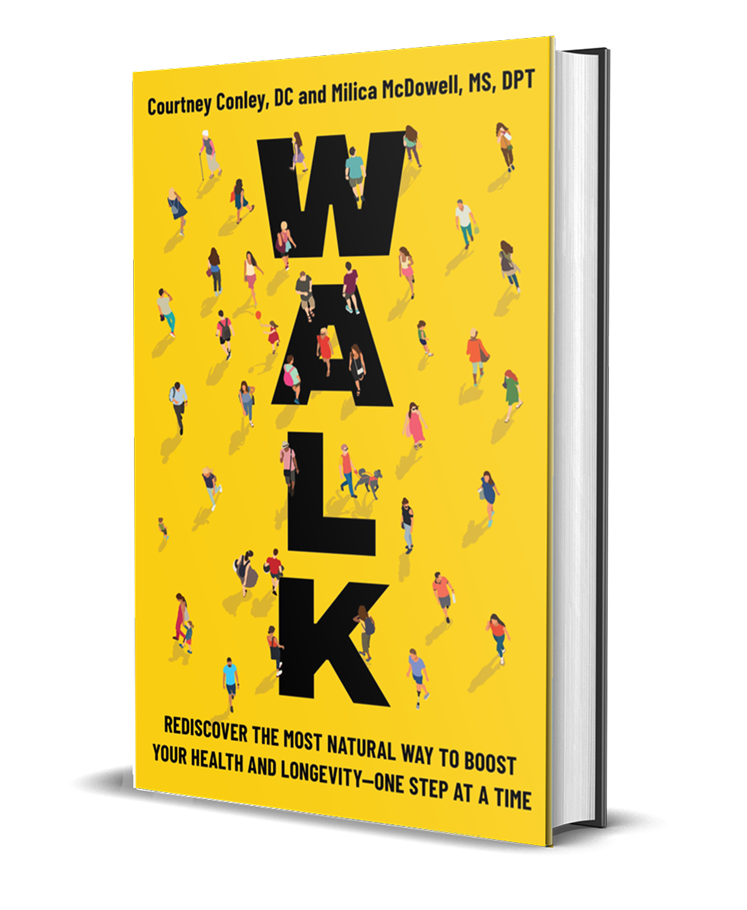
Walk - Dr. Conley’s New Book is HERE!
Discover the new rules of walking to increase your health, longevity, and overall wellbeing from two go-to experts.
Discover the new rules of walking to increase your health, longevity, and overall wellbeing from two go-to experts.