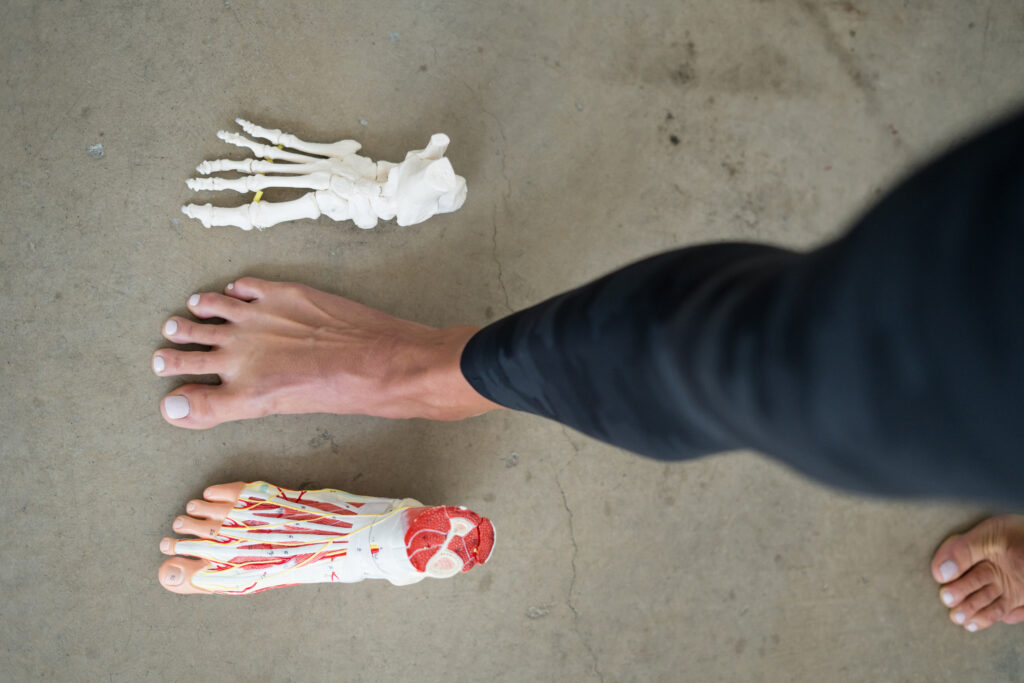
When it comes to chronic lower back pain, most people focus on posture, core strength, or even mattress quality. But what if the way you walk is playing a bigger role than you think?
At Gait Happens, we specialize in helping people understand how their unique walking patterns can affect the entire body - from the feet all the way up to the lower back. Spoiler alert: it's all connected.
Let’s explore why your gait matters, and how improving the way you move can lead to lasting back relief.
What Is a Gait Pattern?
Your gait pattern is the way your body moves when you walk. It includes the timing, rhythm, and coordination of your steps - as well as how your feet, ankles, knees, hips, and pelvis all work together.
Everyone has a unique gait pattern based on their structure, history of injury, and daily habits. Things like long hours at a desk, past ankle sprains, or even the type of shoes you wear can subtly shift how you move over time. And those small shifts can have a big impact.
How Walking Affects Your Lower Back
Your feet are your foundation. When that foundation isn’t functioning well - whether it’s due to stiffness, weakness, or compensation patterns - the rest of your body has to adapt.
The lower back often picks up the slack when:
✅ There’s limited mobility in the foot or ankle ✅ One side of the pelvis rotates more than the other during walking ✅ The core isn’t effectively stabilizing during movement ✅ The stride pattern is uneven or imbalanced
Over time, these compensations can lead to overuse, fatigue, and pain in the lower back.
And here’s something we won’t say: having flat feet or high arches is not automatically a problem. It’s how your body moves with those structures that matters most.
What We Look For in a Gait Assessment
During a gait assessment, our clinicians observe how your body moves through each phase of walking. We look at:
🔹 Foot and ankle mechanics 🔹 Knee and hip alignment 🔹 Pelvis and core stability 🔹 Step length and symmetry 🔹 Movement compensations and inefficiencies
Even subtle patterns like toe gripping, heel whipping, or limited hip extension can offer big clues about why your back might be hurting.
You don’t need to be in pain to benefit from a gait analysis. Many clients come to us simply wanting to move better and feel stronger. But if your lower back has been giving you trouble, this can be a great place to start.
🟢 Detailed Intake - You’ll share your story, goals, symptoms, and past injuries. 🟢 Movement Review – We’ll analyze photos and videos you send in, plus observe you in real-time during our call. 🟢 Footwear Check - We assess your current shoes and make recommendations to support your unique structure and goals. 🟢 Personalized Plan - You’ll receive tailored exercises and mobility strategies based on your specific gait pattern. 🟢 Ongoing Support - With progress check-ins and access to our expert video library, you’re never left guessing.
Why This Approach Works
At Gait Happens, we take a whole-body view of movement. We don’t just look at where the pain is - we look at where it’s coming from.
Our virtual consultations make expert care more accessible, helping you uncover the root cause of discomfort and build a strong foundation for pain-free movement.
Final Thoughts
If you’ve been chasing back pain solutions with little success, your feet and walking pattern might be the missing piece. Understanding your gait can unlock new paths to relief and long-term movement confidence.
Gait Happens offers this program/consultation for educational purposes only. The information shared by Gait Happens should not be used for diagnosis, nor should it be considered a replacement for consultation with a health care professional. Gait Happens strongly recommends working with a health care professional for further evaluation and appropriate follow up. If you have questions or concerns about your health, please contact your health care provider. Gait Happens is not responsible for inappropriate interpretation and application of the knowledge, principles, and exercises provided in this program. Further, Gait Happens is not responsible for injury caused or related to the use of the material in this program to the user, the user’s clients, or any other affiliated party. Gait Happens disclaims any liabilities or loss in connection with the exercises and advice in this program. While Gait Happens has endeavored to make sure the information contained in this consult/program is accurate, Gait Happens cannot guarantee the accuracy of such information, and it is provided without warranty or guarantee of any kind.
The consultation package is valid for 6 months from the date of purchase.
How to Stop Foot Pain from Standing All Day?
Introduction
Standing for prolonged periods is a common daily activity, often associated with work, household chores, or social engagements. While it might seem like a harmless routine, it can lead to a rather discomforting concern – foot pain. The ache and strain that gradually build up can significantly impact your overall well-being and productivity.
This article is here to provide you with practical tips and effective strategies to combat foot pain stemming from extended periods of standing, empowering you to alleviate discomfort, prevent potential issues, and bolster your foot health while navigating occupations or activities that demand prolonged standing.
Consider a scenario: you're at a work event or engrossed in household tasks, spending hours on your feet. As the clock ticks, you might start feeling an uncomfortable throbbing in your feet. This discomfort, however subtle it may initially seem, can grow into a persistent issue that affects not only your immediate comfort but also your long-term health.
Addressing foot pain is essential for maintaining your overall well-being and ensuring maximum productivity.
Several factors contribute to foot pain from standing. The biomechanics involved in supporting the body's weight for extended durations can strain the foot's intricate network of bones, muscles, and ligaments. Inappropriate footwear choices and If not properly managed, foot pain can hinder your mobility, affect your gait, and even lead to more severe complications.
In the sections that follow, we will delve deeper into the underlying causes of foot pain arising from prolonged standing. We will also explore effective strategies to relieve the discomfort and prevent its recurrence. By understanding these aspects and implementing the suggested measures, you can embark on a journey towards enhanced foot health and greater comfort, even in situations that require extended periods of standing.
Understanding Foot Pain from Prolonged Standing
Biomechanics of Prolonged Standing
When you stand for an extended duration, your feet bear the weight of your entire body. This seemingly simple action places a significant strain on the intricate structures within your feet. The arches, bones, muscles, and ligaments work collectively to support your body's weight. Over time, this prolonged weight-bearing can lead to fatigue and discomfort, resulting in foot pain.
Consider the arches of your feet as natural shock absorbers. When you stand, walk, or run, these arches cushion the impact of your body weight and provide stability. However, during extended periods of standing, these arches can become overstressed. The muscles that support the arches, such as the plantar fascia and intrinsic foot muscles, can become fatigued, leading to aching and discomfort.
Causes of Foot Pain
Several factors contribute to foot pain arising from standing for extended periods. One of the primary culprits is improper footwear. For instance, wearing high heels or can force your feet into unnatural positions, leading to discomfort. You can find our Gait Happens recommendations for footwear here.
Additionally, Overuse is another significant factor. Continuously subjecting your feet to prolonged standing, especially without breaks for stretching or rest, can lead to repetitive stress injuries. The constant pressure on specific areas of your feet can cause inflammation, leading to conditions like plantar fasciitis or metatarsalgia.
We think the simplest solution is to MOVE more. Standing in one place all day really is no better than sitting in one place. We highly suggest taking little movement breaks throughout the day. Here is an example:
Moreover, certain occupations or activities may demand prolonged standing, placing individuals at a higher risk of experiencing foot pain. Healthcare professionals, retail workers, and those in the service industry are often prone to these issues due to the nature of their work. It is also important to consider the surface on which you are standing. If you are in an industry that requires you to stand on concrete all day, we recommend wide toe box shoes, but with an amount of stack height or cushion to decrease some of the tension.
In the upcoming sections, we'll explore practical strategies and tips to help alleviate foot pain caused by prolonged standing. By addressing these underlying causes and adopting preventive measures, you can find relief from discomfort and safeguard your foot health for the long haul.
Practical Strategies to Relieve Foot Pain
Ergonomics and Workspace Optimization
Creating an ergonomic work environment can significantly alleviate foot pain caused by prolonged standing. Proper ergonomics not only enhance comfort but also improve productivity and overall well-being. Consider investing in anti-fatigue mats, which provide cushioning and support, reducing the impact on your feet. Additionally, using a footrest can help shift weight and promote better circulation, reducing the strain on your lower limbs.
Footwear and Orthotic Considerations
Your choice of footwear plays a pivotal role in preventing and relieving foot pain. We recommend minimalist footwear (also known as barefoot shoes). You can find our recommendations for footwear here.
Exercises and Stretches for Foot Relief
Incorporating targeted exercises and stretches into your routine can promote foot health and alleviate pain. Simple rotating ankle stretches, calf raises, and toe spreads can improve blood circulation, reduce tension, and enhance flexibility. These exercises not only relieve discomfort but also contribute to the overall well-being of your feet. Regular practice can help maintain the mobility and strength necessary for supporting your body during prolonged periods of standing. If you want a 12-week program for optimum foot health, try our Fit Feet Program, designed by clinicians and tailored to your feet.
Self-Care Measures and Pain Management
Several self-care techniques can effectively manage foot pain. Elevating your feet at the end of the day helps in reducing swelling and promoting blood flow. Gentle massage can ease muscle tension and provide relaxation. These self-care methods can be easily incorporated into your routine and offer immediate relief from the strains of standing for extended periods.
Red light therapy can be helpful for pain management. It is administered through various devices designed for home or professional use. The red light therapy device emits specific wavelengths of red and near infrared light and are designed to be easily applied to the affected areas of the foot. They can come in the form of handheld devices, light panels, or light therapy wraps. It is essential to follow the manufacturer's instructions for optimal results. Here is the device we recommend.
Lifestyle and Prevention Strategies
Adopting certain lifestyle habits and preventive strategies can significantly reduce the occurrence of foot pain. Regularly rotating your footwear can prevent excessive strain on specific areas of your feet.
Maintaining a healthy weight can alleviate the burden on your lower limbs. Engaging in foot-strengthening exercises can enhance the muscles' ability to support your body weight. Additionally, practicing proper posture while standing can distribute weight more evenly and prevent imbalances that contribute to foot pain.
By implementing these practical strategies into your daily routine, you can proactively address foot pain resulting from prolonged standing. These measures not only offer immediate relief but also contribute to the long-term health and well-being of your feet. In the next section, we will discuss the importance of seeking professional advice and the potential long-term effects of unaddressed foot pain.
Recognizing and Diagnosing Foot Pain
Symptoms and Signs
Foot pain resulting from prolonged standing can manifest in various ways. Common symptoms include throbbing or aching sensations, sharp pain in specific areas of the feet, swelling, and a feeling of stiffness. Discomfort may be more pronounced after extended periods of standing and may gradually decrease with rest.
Specialists to Consult
When dealing with foot pain, consulting a specialist is vital for accurate diagnosis and effective treatment. Seeking guidance from professionals ensures that you receive tailored recommendations based on your unique condition. If you are local to Colorado, please visit Total Health Solutions or Kinetic Chiropractic for treatment or if you would like to see a Gait Happens Clinician online, you can book an appointment here.
In the next section, we will delve into various treatment options available to alleviate foot pain resulting from prolonged standing.
Treatment Options
Physical Therapy Techniques
Physical therapy offers a range of techniques to address foot pain arising from prolonged standing. Stretching exercises can help improve flexibility and reduce muscle tension in the feet and lower legs. Strengthening exercises, targeting the muscles that support the feet and ankles, can enhance stability and alleviate strain. Additionally, manual therapy performed by a skilled physical therapist can release tension in tight muscles and promote better circulation, contributing to pain relief.
In the final section of this article, we will discuss prevention strategies that can help individuals proactively reduce the risk of developing foot pain from prolonged standing.
Conclusion: The Path to Foot Pain Relief
In the journey towards alleviating foot pain caused by prolonged standing, you've gained valuable insights and practical strategies to reclaim your comfort and well-being. Let's recap the key strategies that can make a significant difference in your foot health:
Understanding the Cause: Acknowledge the biomechanics of prolonged standing and the factors that contribute to foot pain, including improper footwear
Practical Relief: Embrace ergonomic changes in your workspace, engage in exercises and stretches for foot relief, and practice self-care measures to manage discomfort.
Recognition and Diagnosis: Familiarize yourself with common symptoms and signs of foot pain, and consider seeking the guidance of medical professionals specializing in foot health.
Treatment and Prevention: Explore treatment options such as physical therapy techniques, assistive devices.
Adopt prevention strategies including choosing proper footwear, regular stretching, strengthening exercises, and maintaining a healthy lifestyle.
Your journey to foot pain relief begins with taking action. By implementing the strategies outlined in this article, you are taking a proactive step towards enhancing your overall foot health and well-being. Remember that consistent effort can yield remarkable results.
While this article provides a comprehensive guide, it's important to listen to your body and seek professional assistance if your foot pain persists or worsens. Your feet are the foundation of your mobility, and investing in their health is an investment in your overall quality of life.
Empower yourself with the tools and knowledge you've gained, and take confident strides towards a life free from the constraints of foot pain. As you implement these strategies, you not only enhance your own comfort but also set yourself on a path to becoming a resourceful advocate for your foot health.
Frequently Asked Questions (FAQs)
How can I alleviate foot pain from standing all day?
To ease foot pain caused by prolonged standing, consider ergonomic adjustments in your workspace, engage in foot exercises and stretches, practice self-care techniques and prioritize a healthy lifestyle.
What is the best approach to relieve foot pain from extended standing?
The most effective approach to alleviate foot pain involves a holistic strategy. This includes optimizing your workspace ergonomics, selecting suitable footwear, performing foot exercises, managing discomfort through self-care methods, and embracing a healthy lifestyle.
How do I reduce foot and ankle discomfort arising from prolonged standing?
To reduce foot and ankle discomfort caused by standing for extended periods, focus on choosing minimalist footwear, in particular with a wide toe box. You can find our footwear recommendations here. Additionally, engage in ankle stretches, calf raises, and toe spreads to improve circulation and alleviate tension in the lower limbs.
Can foot pain from standing all day be minimized?
Yes, foot pain from prolonged standing can be minimized by implementing strategies such as ergonomic adjustments, wearing minimalist footwear, practicing foot exercises, managing discomfort through self-care techniques, and adopting a healthy lifestyle.
How can I prevent foot pain while standing for prolonged periods?
To prevent foot pain, opt for barefoot shoes, regularly perform foot stretches and strengthening exercises, maintain a healthy weight. These proactive measures significantly lower the risk of foot pain resulting from prolonged standing.
What steps can I take to find relief for existing foot pain due to standing all day?
If you’re currently experiencing foot pain, start by following the strategies outlined in this article, such as ergonomic adjustments, appropriate footwear, exercises, and self-care techniques. If the pain persists or worsens, consider consulting a specialized medical professional for personalized advice and treatment options.
What are effective exercises to alleviate foot pain from prolonged standing?
Effective exercises for foot pain relief include rotating ankle stretches, calf raises, and toe spreads. These exercises enhance circulation, reduce tension, and improve flexibility in the lower limbs, offering relief from discomfort associated with prolonged standing.
How can I determine if my foot pain requires medical attention?
If your foot pain is severe, persistent, or accompanied by concerning symptoms, it’s advisable to seek medical attention. We offer Virtual Consultations
Are preventive measures effective in avoiding foot and ankle pain during prolonged standing?
Yes, preventive measures can effectively reduce foot and ankle pain during prolonged standing. By combining strategies such as appropriate footwear, foot exercises, maintaining a healthy weight, and implementing ergonomic adjustments, you can significantly minimize discomfort. You can find our Gait Happens recommendations for footwear here.
How long does it take for foot pain to improve using these strategies?
The time required for foot pain to improve varies depending on factors like the individual’s condition and the consistency of strategy implementation. While some may experience relief in a few days, others may need several weeks to notice significant improvements. Consistency and patience are key to achieving lasting relief.
Please note that the answers provided here are for informational purposes only and should not replace professional medical advice. It is essential to consult with a healthcare professional for an accurate diagnosis and personalized treatment plan based on your specific condition.
Muscle Strain in the Foot: Symptoms and Treatment
Introduction
Muscle strain in the foot is a common injury that can cause discomfort and impacts daily activities. It occurs when the muscles or tendons in the foot are overstretched or torn due to various factors. Understanding the definition and significance of a muscle strain in the foot is essential in recognizing and addressing this condition promptly. This article aims to provide comprehensive information on the symptoms and treatment options available for foot muscle strain, empowering individuals with the knowledge they need to manage and recover from this injury effectively.
Definition and Significance of Muscle Strain in the Foot
Muscle strain in the foot refers to the damage or tearing of muscles or tendons in the foot region. It typically occurs when these soft tissues are subjected to excessive force or stretched beyond their limits. Foot muscle strain can affect individuals of all ages and activity levels, from athletes to those leading a sedentary lifestyle. The significance of understanding foot muscle strain lies in the impact it can have on an individual's mobility, quality of life, and overall foot health. Prompt diagnosis and appropriate treatment are crucial for a timely recovery and to prevent potential complications.
The article aims to educate readers about the various treatment modalities available, empowering them to make informed decisions regarding their foot health. Ultimately, the goal is to promote timely intervention, facilitate recovery, and improve the overall well-being of individuals affected by foot muscle strain.
Understanding Muscle Strain in the Foot
Causes of Muscle Strain in the Foot:
Overuse or Repetitive Stress: Engaging in repetitive activities that put excessive strain on the foot muscles can lead to muscle strain. These activities may include running, jumping, or participating in sports that involve repetitive movements.
Sudden Movements or Trauma: A sudden, forceful movement or trauma to the foot, such as a sudden twist or impact, can result in muscle strain. This can happen during activities like stepping on an uneven surface or experiencing a fall.
Poor Footwear or Improper Foot Mechanics: Wearing ill-fitting shoes or footwear can contribute to muscle strain in the foot. Additionally, abnormalities in foot mechanics, such as flat feet or high arches, can increase the risk of muscle strain.
Foot Muscle Anatomy and Common Affected Areas
The foot is composed of various muscles that work together to support its structure and facilitate movement. Commonly affected areas of muscle strain in the foot include:
Calf Muscles: The calf muscles, including the gastrocnemius and soleus, play a crucial role in foot movement and stability. Strain in these muscles can cause pain and limited mobility.
Plantar Fascia: The plantar fascia is a thick band of tissue that runs along the bottom of the foot, connecting the heel to the toes. Straining the plantar fascia can result in conditions like plantar fasciitis, causing heel pain and discomfort.
Toe Flexor Muscles: The muscles responsible for flexing the toes can also be susceptible to strain, especially in activities that involve gripping or curling the toes repeatedly.
Understanding the causes and the anatomy of foot muscles helps individuals recognize the risk factors and affected areas, enabling them to take appropriate preventive measures and seek timely treatment if muscle strain occurs.
Symptoms of Muscle Strain in the Foot
Common Symptoms of Foot Muscle Strain:
Pain, Tenderness, and Swelling: Muscle strain in the foot often presents with pain, which can range from mild to severe. The affected area may feel tender to the touch, and swelling may be observed around the injured muscle.
Limited Range of Motion and Stiffness: Muscle strain can cause a reduction in the foot's range of motion, making it difficult to perform certain movements comfortably. Stiffness in the affected area may also be experienced, especially after periods of rest or inactivity.
Recognizing the Signs of Muscle Strain in the Foot
It is essential to recognize the signs of muscle strain in the foot to seek appropriate care and prevent further complications. Look out for the following indicators:
Onset of Pain: If you experience sudden pain in the foot during or after physical activity, it could be a sign of muscle strain.
Swelling and Tenderness: Notice any swelling or tenderness in specific areas of the foot, particularly around the muscles.
Difficulty with Movement: If you encounter difficulties in moving the foot, such as reduced flexibility or stiffness, it could be an indication of muscle strain.
Being aware of these symptoms and recognizing the signs of muscle strain in the foot allows for early intervention and timely treatment, promoting faster recovery and reducing the risk of further injury.
Diagnosing Muscle Strain in the Foot
Physical Examination by a Healthcare Professional
To diagnose muscle strain in the foot, a healthcare professional will conduct a thorough physical examination. They will assess the affected area, evaluate the range of motion, and apply pressure to identify areas of tenderness or swelling. This examination helps determine the location and severity of the muscle strain.
Treatment Options for Muscle Strain in the Foot
Rest and Activity Modification
Rest is essential for allowing the injured foot muscles to heal. It is important to avoid activities that exacerbate the pain and strain on the foot. Modifying activities and reducing weight-bearing can help relieve symptoms and promote recovery.
Pain Management Strategies
Over-the-Counter Pain Relievers:
Nonsteroidal anti-inflammatory drugs (NSAIDs), such as ibuprofen or naproxen, can help reduce pain and inflammation associated with muscle strain. These medications are available over the counter and should be used as directed.
Topical Creams or Gels:
Topical analgesics containing menthol or capsaicin can provide localized pain relief. These creams or gels are applied directly to the affected area and can help alleviate discomfort. We also recommend CBD cream, our preference is MYSA from Fringe Heals.
Physical Therapy Exercises and Stretches
Physical therapy plays a crucial role in the rehabilitation of foot muscle strains. A physical therapist can design a tailored exercise program to improve strength, flexibility, and stability. These exercises may include range-of-motion exercises, stretching, strengthening exercises, and balance training. If you are local to Colorado, please visit Total Health Solutions or kinetic chiropractic for treatment, or we offer Virtual Consultations.
Treatment for muscle strain in the foot is typically multifaceted, combining rest, pain management, rehabilitation exercises, and the use of supportive devices. The specific treatment plan may vary depending on the severity of the strain and individual circumstances. It is important to consult with a healthcare professional for an accurate diagnosis and personalized treatment recommendations.
Preventing Muscle Strain in the Foot
Proper Warm-up and Stretching Before Physical Activity
Before engaging in any physical activity, it is essential to warm up the muscles and prepare them for the demands of exercise. Perform dynamic stretches and gentle movements that target the muscles in the feet and lower legs. This helps increase flexibility and blood flow, reducing the risk of muscle strain.
Gradual Progression of Exercise Intensity and Duration
Prevent muscle strain by gradually increasing the intensity and duration of your exercise routine. Sudden spikes in activity can place excessive stress on the foot muscles. Instead, progress at a steady pace, allowing your muscles to adapt and strengthen over time. If you want a 12-week program for optimum foot health, try our Fit Feet Program, designed by clinicians and tailored to your feet.
Wearing Appropriate Footwear
Choose footwear that allows your feet to strengthen and increase mobility naturally. We recommend zero-drop shoes with a wide-toe box. You can find our Gait Happens recommendations for footwear here.
Maintaining Healthy Foot Mechanics and Posture
Pay attention to your foot mechanics and posture during everyday activities. Practice maintaining proper alignment and posture, distributing your body weight evenly across your feet. By incorporating these preventive measures into your routine, you can significantly reduce the risk of muscle strain in the foot. Remember to listen to your body, take breaks when needed, and seek professional advice if you experience persistent pain or discomfort.
Conclusion
In this article, we have explored the topic of muscle strain in the foot, including its causes, symptoms, diagnosis, treatment options, and prevention strategies. We have discussed the importance of understanding the underlying factors contributing to foot muscle strain and the need for comprehensive management.
Importance of Early Recognition and Appropriate Treatment
Early recognition of muscle strain in the foot is crucial for prompt treatment and recovery. Ignoring symptoms or neglecting appropriate care can lead to prolonged discomfort and potential complications. It is essential to seek medical attention and follow recommended treatment strategies to promote healing and prevent further damage.
Consultation with a Healthcare Professional
If you suspect you have a muscle strain in your foot or are experiencing persistent pain, it is highly recommended to consult with a healthcare professional. They can provide an accurate diagnosis, assess the severity of the strain, and develop a personalized treatment plan tailored to your specific needs. A healthcare professional can also guide you through proper rehabilitation and help you regain strength and functionality in your foot. If you are local to Colorado, please visit Total Health Solutions or Kinetic Chiropractic for treatment, or we offer Virtual Consultations.
By understanding the causes, recognizing the symptoms, and following appropriate treatment and prevention strategies, you can effectively manage muscle strain in the foot. Remember, prioritizing foot health and seeking professional guidance are key to a successful recovery and long-term foot well-being.
Frequently Asked Questions (FAQs)
What is muscle strain in the foot?
Muscle strain in the foot refers to the stretching or tearing of muscles or tendons in the foot due to overuse, trauma, or improper foot mechanics.
What are the symptoms of foot muscle strain?
Common symptoms of foot muscle strain include pain, tenderness, swelling, limited range of motion, and stiffness in the affected area.
How can a strained foot muscle be treated?
Treatment for a strained foot muscle may involve rest, activity modification, pain management techniques (such as over-the-counter pain relievers or topical creams), rest, physical therapy exercises, and the temporary use of supportive devices or orthotics.
What are the common symptoms of muscle strain in the foot?
Common symptoms associated with muscle strain in the foot may include pain, tenderness, swelling, limited range of motion, and stiffness in the affected area.
*Please note that the answers provided here are for informational purposes only and should not replace professional medical advice. It is essential to consult with a healthcare professional for an accurate diagnosis and personalized treatment plan based on your specific condition.
The New Fit Feet Program is here!
Your clinician designed guide to building a stronger, more resilient body from the ground up.