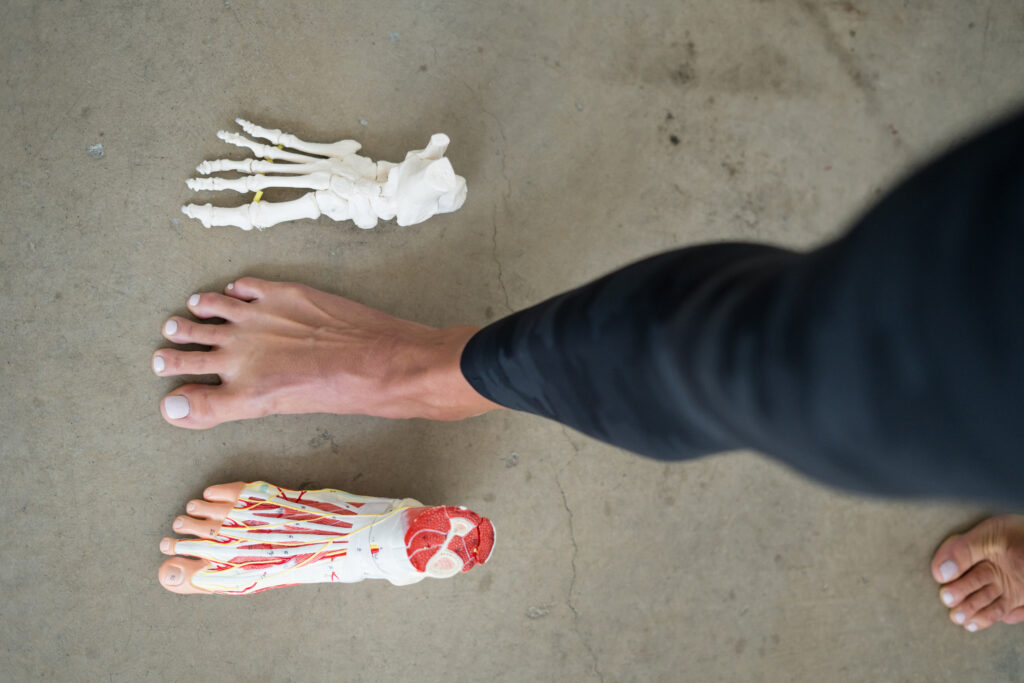
Can Toe Spacers Help Bunions?

Can toe spacers help bunions?

Introduction

Bunions are a common foot condition that can be painful and uncomfortable. They occur when the joint at the base of the big toe becomes enlarged and pushes outward, causing the toe to bend towards the other toes. While there are several ways to manage bunions, some people turn to toe spacers as a potential solution. 

Toe spacers are small devices that fit between the toes to help improve alignment and reduce pressure on the affected joint. In this blog post, we'll explore the question, "Can toe spacers help bunions?" by examining the benefits of toe spacers, the science behind their effectiveness, and other treatment options available for those suffering from bunions.

What are bunions?

what are bunions

A bunion is a common foot condition characterized by a painful bony bump that forms at the base of the big toe. The condition can cause the big toe to lean toward the other toes, leading to discomfort, difficulty walking, and even problems finding shoes that fit comfortably.

Several factors can contribute to the development of bunions, including wearing tight or narrow shoes, and having flat feet or other foot conditions that affect gait and alignment. 

The symptoms of bunions may include pain, swelling, redness, stiffness, and difficulty wearing shoes or walking. In addition, bunions can cause significant discomfort and make it difficult to engage in everyday activities. The question remains: Can toe spacers help bunions? Many people report experiencing relief from their bunion symptoms when using these devices.

What are toe spacers?

toe spacer for bunion

Toe spacers are small devices designed to be placed between the toes to help improve alignment and reduce pressure on the affected joint. They can potentially help alleviate the symptoms of bunions by improving the position of the big toe and reducing pressure on the bony bump.

Toe spacers can offer several benefits for those suffering from bunions, including reducing pressure on the affected joint, preventing the toes from rubbing against each other, and potentially slowing the progression of the bunion. Additionally, they can help alleviate pain and discomfort associated with bunions, making it easier to engage in daily activities.

There are several types of toe spacers available, including gel toe spacers, silicone toe spacers, and toe separators. Gel toe spacers are typically made from a soft, flexible material and can be placed between the toes to help improve alignment and reduce pressure. Silicone toe spacers are also designed to improve alignment and reduce pressure on the affected joint, and are often more durable than gel spacers. Toe separators are designed to fit between all five toes, helping to stretch and realign the toes. Each type of toe spacer may work better for different individuals, depending on their specific needs and preferences. Overall, while toe spacers may not be a cure for bunions, they can potentially provide some relief for those suffering from this painful condition.

Bunion Treatment Banner

Can toe spacers help with bunions?

toe-spacers-help-with-bunions

Toe spacers work by helping to realign the toes, particularly the big toe, and reducing pressure on the affected joint. By gently separating the toes, toe spacers can help prevent the toes from rubbing against each other, which can lead to pain and discomfort for those suffering from bunions. They can also potentially slow the progression of the bunion by helping to correct any underlying alignment issues.

While there is limited scientific research on the effectiveness of toe spacers for bunions, some studies suggest that they may be a helpful treatment option for those suffering from this condition. One study published in the Journal of Foot and Ankle Research found that using toe spacers for six months led to a significant reduction in bunion angle in participants with mild to moderate bunions (1). However, more research is needed to fully understand the benefits of toe spacers for bunions.

Many people report experiencing relief from their bunion symptoms when using toe spacers. Some individuals claim that they are able to walk or engage in other activities more comfortably when using toe spacers, while others report that they have noticed a reduction in bunion size or angle over time. While success stories may vary from person to person, toe spacers may be worth considering as a potential treatment option for those suffering from bunions. You can find the toe spacers we recommend for bunions here

Conclusion

In this blog post, we explored the question, "Can toe spacers help bunions?" by examining the definition, causes, and symptoms of bunions, as well as the benefits and types of toe spacers available.

While the scientific evidence supporting the use of toe spacers for bunions is limited, many people report experiencing relief from their bunion symptoms when using these devices. While toe spacers may not be a cure for bunions, they can potentially provide some relief for those suffering from this painful condition.

Book a Virtual Consultation with Gait Happens Clinician

If you are suffering from bunions and are considering using toe spacers as a potential treatment option, it is important to consult with a medical professional to determine the best course of action based on your individual needs and preferences. You can book a Virtual Consultation with a Gait Happens clinician here. You may also want to try using toe spacers to see if they can help alleviate your symptoms. Overall, with the right treatment plan, you can manage the symptoms of bunions and continue to engage in everyday activities with greater comfort and ease.

Add Your Heading Text Here

Are toe spacers the only treatment option for bunions?

No, there are several treatment options available for bunions, including conservative measures, surgical options, and lifestyle changes. Consult with a medical professional to determine the best course of action based on your individual needs and preferences.

Can toe spacers cure bunions?

While toe spacers may potentially help alleviate the symptoms of bunions, they are not a cure for the condition.

How do I know which type of toe spacer to use?

The type of toe spacer that works best for you may depend on your individual needs and preferences. Consider trying different types of toe spacers, such as gel, silicone, or toe separators, to determine which one works best for you.

Are toe spacers comfortable to wear?

Toe spacers are typically made from soft, flexible materials such as silicone or gel, and should be comfortable to wear. However, some individuals may experience discomfort or irritation when using toe spacers, so it is important to consult with a medical professional if you experience any pain or discomfort and remember that just like any new intervention they should be gradually implemented.

Can toe spacers prevent bunions from forming?

While toe spacers may potentially help slow the progression of bunions, they cannot fully prevent them from forming. However, making certain lifestyle changes, such as wearing comfortable shoes that fit properly (find our recommendations here). Maintaining a healthy weight, and doing exercises to improve foot and toe strength and flexibility may be helpful in preventing bunions from forming or worsening over time. We have a 12-week program designed by Gait Happens clinicians specifically to help you maintain strong, healthy feet. Take a look at it here.

References

    1. Kwan MY, Yick KL, Yip J, Tse CY. Hallux valgus orthosis characteristics and effectiveness: a systematic review with meta-analysis. BMJ Open. 2021 Aug 18;11(8):e047273. doi: 10.1136/bmjopen-2020-047273. PMID: 34408037; PMCID: PMC8375760.

*Please note that the answers provided here are for informational purposes only and should not replace professional medical advice. It is essential to consult with a healthcare professional for an accurate diagnosis and personalized treatment plan based on your specific condition.

What Causes a Tailor's Bunion: Understanding the Root of the Problem

Tailors Bunions Causes

Introduction

Tailor’s bunions, also known as bunionettes, can cause discomfort and pain on the outside of the foot. Whether you’re personally affected by this condition or seeking knowledge for preventive measures, this article aims to equip you with a comprehensive understanding of the root causes of tailor’s bunions. 

By delving into the genetic factors, footwear choices, and the impact of overuse/injuries, we will explore how these factors contribute to the development of tailor’s bunions. Understanding the root causes is crucial in seeking proper diagnosis and treatment, and it can also help you prevent future occurrences. So, let’s dive into the anatomy of the foot, the symptoms of tailor’s bunions, and the underlying factors that play a significant role in causing this condition.

Importance of Understanding What Causes a Tailor’s Bunion

Proper diagnosis and treatment are essential when dealing with tailor’s bunions. By understanding tailor’s bunion causes, you can effectively address the underlying factors contributing to this condition. Here’s why gaining this comprehensive understanding is crucial:

Significance of Proper Diagnosis and Treatment:

Tailor’s bunions can cause persistent discomfort, pain, and even limit your mobility. Without a proper diagnosis, it’s challenging to determine the most appropriate course of treatment. Consulting a healthcare professional who specializes in foot conditions is key to accurately identifying tailor’s bunions and developing an effective treatment plan tailored to your specific needs. If you would like to see a Gait Happens Clinician online, you can book an appointment here.


banner

Prevention of Future Occurrences:

Understanding what causes a tailor’s bunion empowers you to take preventive measures to reduce the risk of recurrence. By identifying the factors that contribute to their development, such as footwear choices, and overuse/injuries, you can make informed decisions to mitigate these influences. This proactive approach can help prevent future occurrences and provide long-term relief.

doctor examining patient's legs

Benefits of Early Intervention:

Early intervention plays a vital role in managing tailor’s bunions. When addressed promptly, you can prevent the progression of the condition and alleviate symptoms before they worsen. By understanding the causes of tailor’s bunions, you can identify warning signs and seek professional help at the earliest indication of a tailor’s bunion. 

By emphasizing the significance of proper diagnosis, the preventive potential of understanding the root causes, and the benefits of early intervention, you can take a proactive stance towards addressing tailor’s bunions. Now, let’s delve into the specific causes and contributing factors that lead to the development of this condition.

Causes of Tailor’s Bunions

Footwear

When exploring the root causes of tailor’s bunions, one significant factor to consider is footwear. The types of shoes we wear can have a direct impact on the development of bunions. Here are some key points to understand:

Types of Shoes That Can Cause Tailor’s Bunions:

Certain footwear choices can increase the risk of developing tailor’s bunions. These include tight-fitting shoes, high heels, and shoes with narrow toe boxes. Wearing shoes that squeeze the toes together or put excessive pressure on the side of the foot can gradually lead to the misalignment of the metatarsophalangeal joint, resulting in tailor’s bunions. We recommend zero-drop shoes and you can find our favorites here.

pain in the pinky toe

How Shoes Affect Foot Shape and Alignment:

Ill-fitting shoes can alter the natural shape and alignment of the foot. Shoes with narrow toe boxes force the toes to squeeze together, causing the metatarsal bones to shift outward. High-heeled shoes, especially those with pointed toes, further increase pressure on the forefoot and promote an unnatural foot posture. Over time, these factors can contribute to the development of tailor’s bunions.

Overuse and Injuries:

Another contributing factor to tailor’s bunions is overuse and injuries. Prolonged and repetitive activities can strain the foot’s structure, leading to the formation of bunions. Consider the following:

How Overuse and Repetitive Activities With Incorrect Form Contribute to Tailor’s Bunions:

Engaging in activities with the wrong form that puts excessive stress on the foot’s joints, ligaments, and tendons can contribute to the development of tailor’s bunions. The constant repetitive motion or pressure on the forefoot can lead to inflammation and instability in the metatarsophalangeal joint, gradually causing the joint to deform and form a bunion.

Examples of Activities That Can Lead to Tailor’s Bunions:

Activities that involve frequent pressure on the forefoot or repetitive motions can increase the risk of tailor’s bunions. These activities may include ballet dancing, soccer, basketball, running, or any sport or occupation that requires constant weight-bearing or pushing off with the toes. Additionally, jobs that involve standing for long periods, such as retail or hospitality, can also contribute to the development of bunions.

basketball player

By understanding the role of footwear choices and the impact of overuse and injuries, you can gain insights into the root causes of tailor’s bunions. In the next section, we will discuss the potential consequences of neglecting foot health and encourage readers to prioritize their foot care for lifelong well-being and comfort.

Preventive Measures and Treatment Options

Maintaining foot health is crucial for preventing and managing tailor’s bunions. By adopting preventive measures and exploring various treatment options, you can effectively address this condition. Here’s what you can do:

Emphasize the Importance of Maintaining Foot Health:

Taking care of your feet is essential for overall foot health and can help prevent the development of tailor’s bunions. This includes practicing good foot hygiene, wearing appropriate footwear, and paying attention to any signs of discomfort or pain.

Tips for Preventing Tailor’s Bunions:


Reduce Pain banner

Non-Surgical Treatment Options:

Surgical Treatment Options:

In cases where non-surgical methods don’t provide adequate relief, surgical intervention may be considered. Surgical procedures aim to correct the deformity, realign the bones, and alleviate pain. Consult with a foot specialist to determine the most suitable surgical option based on your specific condition.

Remember, prevention and early intervention are key to managing tailor’s bunions effectively. By prioritizing foot health, following preventive measures, and exploring the appropriate treatment options, you can find relief from symptoms and maintain long-term foot comfort.

In the next section, we will sum up the importance of foot health and encourage readers to continue learning and taking care of their feet for lifelong well-being and comfort.

Summing Up and Encouragement

Neglecting foot health can lead to serious consequences, including the worsening of tailor’s bunions and increased discomfort. It is essential to prioritize foot care for lifelong well-being and comfort. Here’s a recap of the importance of foot health and some encouragement for readers:

Potential Consequences of Neglecting Foot Health:

Ignoring foot health issues, such as tailor’s bunions, can result in the progression of the condition. This may lead to increased pain, difficulty walking, limited mobility, and even interference with daily activities. Neglecting foot health can also impact overall posture and cause secondary issues in the knees, hips, and back. Therefore, it is crucial to address foot conditions and take preventive measures to avoid further complications.

Prioritizing Foot Care for Lifelong Health and Comfort:

Investing in foot health is an investment in your overall well-being. By taking proactive steps to care for your feet, such as wearing proper footwear, practicing foot exercises, and seeking timely medical attention, you can promote lifelong foot health and enhance your overall quality of life. Healthy feet contribute to improved mobility, reduced pain, and increased comfort in daily activities.

If you’re experiencing persistent foot discomfort or suspect you may have a tailor’s bunion, it is advisable to seek professional help from a healthcare provider specializing in foot conditions. They can provide a proper diagnosis, personalized treatment recommendations, and guidance based on your specific needs.

Remember, your feet carry you through life, and prioritizing their care is essential. By being proactive and seeking professional guidance, you can promote lifelong foot health and ensure comfort in your day-to-day activities.

Tailors Bunion Treatment Options

What is Tailor's bunions

3 Videos

Sample Video


Sample Video

1:00
Sample Video


Sample Video

0:38
Sample Video


Sample Video

0:22

Frequently Asked Questions (FAQs)

What are the main causes of tailor’s bunions?

Tailor’s bunions are primarily caused by external factors such as wearing ill-fitting shoes and engaging in repetitive activities or overuse with poor form that strain the foot’s structure.

Can footwear choices lead to tailor’s bunions?

Yes, footwear choices play a significant role in the development of tailor’s bunions. Wearing tight-fitting shoes, high heels, or shoes with narrow toe boxes can cause the foot to be improperly aligned, leading to the formation of tailor’s bunions.

What types of shoes can cause tailor’s bunions?

Shoes with narrow toe boxes, high heels, and tight-fitting footwear can contribute to the development of tailor’s bunions by putting pressure on the side of the foot and altering foot alignment.

How do overuse and repetitive activities contribute to tailor’s bunions?

Overuse and repetitive activities can strain the foot’s structure, leading to the formation of tailor’s bunions. Constant pressure or repetitive motion on the forefoot especially with incorrect form can cause inflammation and instability in the metatarsophalangeal joint, resulting in the development of a bunion.

What activities can lead to tailor’s bunions?

Activities that involve frequent pressure on the forefoot or repetitive motions can increase the risk of tailor’s bunions. Examples include ballet dancing, soccer, basketball, running, or any sport or occupation that requires constant weight-bearing or pushing off with the toes.

How can understanding the causes of tailor’s bunions help prevent future occurrences?

Understanding the root causes of tailor’s bunions allows individuals to make informed choices about footwear, lifestyle modifications, and preventive measures. By addressing these causes, individuals can reduce the risk of future occurrences and promote foot health and comfort.

What preventive measures can be taken to avoid tailor’s bunions?

To prevent tailor’s bunions, it is recommended to wear proper footwear with sufficient toe room, avoid tight-fitting shoes and high heels, and practice foot exercises to strengthen the foot’s structure. Additionally, being mindful of overuse and ensuring proper rest and recovery can help prevent the development of bunions.

Are there non-surgical treatment options for tailor’s bunions?

Yes, non-surgical treatment options for tailor’s bunions include padding and splinting, medications for pain relief and inflammation reduction and physical therapy exercises to improve foot strength and flexibility.

When should I consider surgical treatment for tailor’s bunions?

Surgical treatment for tailor’s bunions is typically considered when non-surgical methods fail to provide adequate relief or if the condition severely affects daily activities and quality of life. It is best to consult with a foot specialist who can assess your specific situation and recommend the most suitable surgical option, if necessary.

*Please note that the answers provided here are for informational purposes only and should not replace professional medical advice. It is essential to consult with a healthcare professional for an accurate diagnosis and personalized treatment plan based on your specific condition.