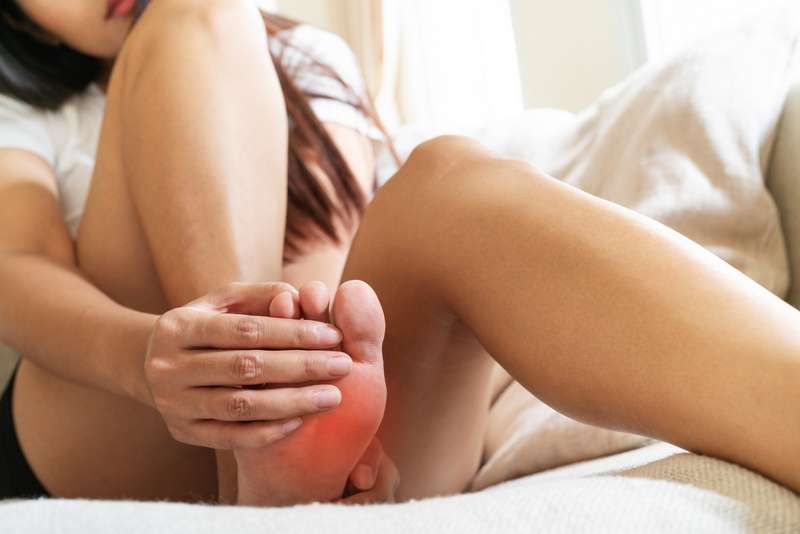
Hammertoes are a common foot condition caused by an imbalance between the toe flexor and extensor muscles. This imbalance leads to a curling and lifted position of the toes, which can become rigid over time if not addressed.
For those who want the nitty-gritty details, this typically involves:
Overuse and tightness in flexor digitorum longus and extensor digitorum brevis
Underuse and weakness in flexor digitorum brevis and extensor digitorum longus
This muscle imbalance contributes to the characteristic bent position of the toes. However, hammertoes can range from flexible to rigid, and identifying where you fall on this spectrum is key to knowing what to do next.
Can Hammertoes Be Fixed?
The number one question we get is: Can hammertoes flatten?
The answer? It depends.
The more flexible your toes are, the better the chances of them straightening out with consistent care. That’s why early intervention is crucial. If your hammertoes are still flexible, there’s room for improvement! Even if they are more rigid, you can still work on mobility and strength to help manage symptoms and prevent worsening.
Steps to Improve Hammertoes
If you want to improve hammertoes, you need to work on both mobility and strength. Here’s how:
1. Improve Toe Mobility
Spend 90 seconds to 2 minutes working through the toe and foot tissues daily. This helps restore movement before strengthening.
2. Strengthen the Right Muscles
Here are some simple but effective progressions:
Isometric Exercises: Use your fingers or a towel to lengthen the toes, then press them down while keeping them extended. This activates the foot’s intrinsic muscles.
Calf Raises: Perform controlled raises without gripping the toes. Keep them relaxed and start with smaller ranges until you build control.
Sled Pushes: These encourage strong foot function with proper mechanics.
⚠️ If you have a rigid hammertoe or a second toe that won’t straighten, consult a professional. It may be due to a plantar plate rupture, which requires different management. Taping techniques and the right footwear can also help in these cases.
Best Footwear for Hammertoes
Your shoes play a massive role in hammertoe management. Here’s what to look for:
Wide Toe Box – Gives toes the space they need to function.
Flexible Upper Material – Reduces pressure on the tops of your toes.
Appropriate Cushioning – If you have fat pad atrophy or plantar plate issues, some cushion under the ball of the foot can be helpful.
Here are a few recommended shoes, listed from most supportive to most minimal:
Topo Athletic Phantom – A more cushioned shoe with a 5mm heel-to-toe drop, wide toe box, and flexible mesh upper.
Altra Escalante Racer – A lower-cushion option with a wide toe box and breathable upper.
Lono Barefoot – A truly minimal shoe. This one takes work! You need strong, mobile feet to wear these successfully.
If you have a rigid hammertoe, elevated 2nd metatarsal, or plantar plate issues, stick with the Topo Athletic or Altra for extra cushioning. And yes—you can wear toe spacers with all of these shoes!
Final Thoughts
Hammertoes don’t develop overnight, and they won’t improve overnight either. But with consistent mobility work, strengthening, and proper footwear, you can make significant progress. Early intervention is key, so start giving your feet the attention they deserve today!
Red Light Therapy for Arthritis: An Effective Non-Invasive Treatment Option
Introduction
We'll dive deep into red light therapy and investigate its potential as a non-invasive, natural solution to relieve arthritis pain and improve joint function.
Throughout this article, we will demystify arthritis, shed light on the science behind red light therapy, and uncover its benefits for arthritis sufferers. We'll also discuss practical aspects of using this therapy, including potential risks and precautions. By the end, you'll have a comprehensive understanding of how red light therapy might offer a glimmer of hope to those seeking relief from the grip of arthritis.
Understanding Arthritis
Arthritis is a broad term encompassing a group of inflammatory joint disorders that collectively affect millions worldwide. It's characterized by inflammation and deterioration of joint tissues, leading to pain, stiffness, and reduced mobility.
Types of Arthritis:
Arthritis isn't a one-size-fits-all condition. There are numerous types, but the two most prevalent are osteoarthritis, which results from the natural wear and tear of joints over time, and rheumatoid arthritis, an autoimmune disorder where the body's immune system mistakenly attacks joint tissues. These conditions significantly impact the daily lives of those affected.
Challenges and Pain:
Arthritis poses formidable challenges, primarily due to the chronic pain it inflicts. Imagine your joints as the hinges of a door that creak and resist movement at every turn. Arthritis often robs individuals of their ability to perform even the simplest tasks, from tying shoelaces to enjoying a leisurely walk. Pain, stiffness, and the feeling of joints being 'locked' are common companions for those living with arthritis.
Red Light Therapy Explained
Red light therapy, also known as photobiomodulation or low-level laser therapy, is a non-invasive medical treatment that utilizes specific wavelengths of red and near-infrared light to stimulate natural cellular processes in the body. This therapeutic technique has gained recognition for its potential to alleviate pain, reduce inflammation, and promote healing in various medical conditions.
The use of light as a healing modality has ancient roots, with civilizations like the Egyptians and Greeks documenting its benefits for health. In modern times, red light therapy has evolved through scientific research and technological advancements. It's now accessible in various forms, including specialized devices and clinical treatments.
Red light therapy operates on the principle of photobiomodulation, where specific wavelengths of light penetrate the skin and are absorbed by mitochondria, the energy powerhouses of cells. This interaction enhances cellular metabolism and the production of adenosine triphosphate (ATP), a molecule crucial for cell function.
Additionally, red light therapy has been shown to reduce inflammation by modulating cytokine levels and promoting tissue repair processes. Understanding the science behind this therapy is essential for evaluating its potential benefits in managing arthritis pain.
Benefits of Red Light Therapy for Arthritis
Pain Management
Arthritis often brings persistent joint pain, which can significantly affect one's quality of life. Red light therapy has emerged as a promising method for managing this pain. By targeting affected joints with specific wavelengths of light, this therapy may stimulate the release of endorphins, the body's natural painkillers, providing relief from arthritis-related discomfort. Many individuals have reported reduced pain levels and increased comfort after undergoing red light therapy sessions.
Inflammation Reduction
Inflammation is a hallmark of arthritis, leading to joint swelling and discomfort. Red light therapy has shown the potential to mitigate inflammation in arthritic joints. It does so by modulating cytokine levels and promoting anti-inflammatory processes within the body. By addressing the root cause of inflammation, this therapy may help individuals experience fewer flare-ups and less joint swelling, thereby improving their overall well-being.
Improved Mobility
Arthritis often restricts joint mobility, making it challenging for individuals to engage in daily activities. Red light therapy may offer a solution by promoting enhanced joint function. Through its effects on cellular processes and tissue repair, this therapy can contribute to increased joint mobility. For individuals with arthritis, this means the potential to regain the ability to perform tasks with greater ease and less discomfort. It is essential to follow the manufacturer's instructions for optimal results. Here is the device we recommend.
Case Studies or Research
The effectiveness of red light therapy for arthritis is supported by a growing body of research and real-life case studies. Numerous studies have demonstrated its positive impact on pain reduction, inflammation control, and improved joint function in individuals with arthritis. These findings not only validate the therapy's potential but also provide hope for those seeking non-invasive treatments to manage their condition. In the following sections, we'll delve into some of the compelling research and examples that highlight the benefits of red light therapy for arthritis management.
Conclusion
Its non-invasive nature, coupled with its promising effects on pain, inflammation, and joint function, offers newfound hope to individuals living with arthritis. While it may not be a standalone cure, red light therapy has shown significant potential in enhancing the quality of life for those dealing with this chronic condition.
If you or someone you know is seeking relief from arthritis-related challenges, consider taking a closer look at red light therapy. Consult with healthcare professionals who can provide personalized guidance on whether red light therapy is a suitable addition to your arthritis treatment plan. Your journey toward improved joint health and enhanced well-being may be illuminated by the gentle, healing glow of red light therapy. If you would like to see a Gait Happens Clinician online, you can book an appointment here.
FAQs About Red Light Therapy for Arthritis
What is red light therapy, and how does it work as a potential arthritis treatment?
Red light therapy, also known as photobiomodulation, utilizes specific wavelengths of light to stimulate cellular processes. It may assist in managing arthritis by reducing inflammation, promoting tissue repair, and relieving pain.
Is red light therapy effective for alleviating arthritis-related pain?
Some research and anecdotal evidence suggest that red light therapy can help reduce pain associated with arthritis. However, its effectiveness may vary among individuals.
Are there any potential side effects or risks when using red light therapy for arthritis?
Generally, red light therapy is considered safe with minimal side effects. Nevertheless, it's crucial to consult with a healthcare professional before beginning any new treatment, especially if you have underlying health concerns.
Can red light therapy enhance joint mobility in individuals with arthritis?
Red light therapy may contribute to improved joint function and mobility by reducing inflammation and promoting tissue healing. While not a guaranteed solution, it can be a valuable component of a comprehensive treatment plan.
How frequently should red light therapy sessions be conducted for managing arthritis symptoms?
The frequency of red light therapy sessions can vary depending on individual requirements and the specific device used. It's advisable to seek personalized guidance from a healthcare provider or therapist.
Can red light therapy serve as a standalone treatment for arthritis?
Red light therapy is not a cure for arthritis but may provide relief from symptoms. It is typically used as part of a broader treatment plan, which may include medication, physical therapy, and lifestyle adjustments.
Is it possible to use red light therapy at home for arthritis, or is it more advisable to visit a clinic?
Both options are available. Some individuals opt for home red light therapy devices for convenience, while others prefer professional clinic sessions. Consult with a healthcare provider to determine the most suitable approach for your specific case.
How soon can individuals expect to notice improvements with red light therapy for arthritis?
The time required to experience benefits can vary. Some individuals may find relief after a few sessions, while others may need longer treatment. Consistency and patience are key factors.
Are there particular types of arthritis that respond better to red light therapy?
Red light therapy may offer potential benefits for various types of arthritis, including osteoarthritis and rheumatoid arthritis. However, its effectiveness can depend on factors like the severity of the condition and individual responses.
Does insurance typically cover red light therapy as an arthritis treatment?
Coverage for red light therapy may vary among insurance providers. It's advisable to verify with your insurance company or healthcare professional to determine if it's a covered treatment option.
Keep in mind that while red light therapy shows promise for arthritis management, consulting with a healthcare provider is essential before starting any new treatment, especially if you have underlying medical conditions. They can provide tailored guidance based on your unique needs and health status.
Please note that the answers provided here are for informational purposes only and should not replace professional medical advice. It is essential to consult with a healthcare professional for an accurate diagnosis and personalized treatment plan based on your specific condition.
Navigating the Different Types of Foot Orthotics
Understanding Foot Orthotics
Foot orthotics are customized aids designed to enhance foot mechanics. These medical devices aim to address various foot issues by optimizing alignment, stability, and cushioning. Whether you're an athlete looking to improve performance or seeking everyday comfort, learning about foot orthotics can help with discomfort, but it's essential to remember they're not a long-term solution.
Benefits of Foot Orthotics
Foot orthotics aim to merge comfort, support, and alignment. These benefits extend beyond foot care, helping alleviate pain, correct walking imbalances, and enhance overall foot function. But, they should be viewed as a temporary aid rather than a long-term solution. Imagine walking with less pain, better posture, and confidence in various activities without discomfort.
Conditions Addressed by Foot Orthotics
Unveiling the versatility of foot orthotics, they tackle a variety of foot issues with finesse:
Plantar Fasciitis: These orthotics provide cushioning and arch support to ease the stabbing pain of this condition.
Flat Feet: Arch support orthotics are designed to rectify alignment issues stemming from flat feet.
Overpronation or Supination: Corrective orthotics restore proper gait patterns, putting an end to discomfort caused by these irregularities.
Bunions and Hammertoes: Foot orthotics distribute pressure, offering relief and curbing further deformity.
In each case, foot orthotics become specialized assistants, providing a foundation for optimal foot function. By offering tailored support, they play a pivotal role in promoting foot health and overall well-being.
Understanding Different Types of Foot Orthotics
Rigid Orthotics
Enter the realm of rigid orthotics, meticulously designed to regulate foot motion. Crafted from sturdy materials like plastic or carbon fiber, they lay the foundation for stability and control. Their primary goal? To prevent excessive motion and correct alignment issues.
Defining Rigid Orthotics
Rigid orthotics live up to their name, offering unwavering support and structure to the feet. By limiting joint motion, they effectively prevent overpronation and supination – the culprits behind various foot troubles. These orthotics are especially beneficial for individuals with high arches, as they promote proper weight distribution and relieve stress on the arches.
Soft Orthotics
Step into the world of soft orthotics, where cushioning and shock absorption reign supreme. Crafted from pliable materials like foam or gel, these orthotics provide a comfortable haven for weary feet. If you're seeking relief from conditions demanding gentleness, soft orthotics may hold the answer. They excel in providing cushioning and shock absorption, making them a superb choice for individuals aiming to alleviate pressure on sensitive areas.
For those grappling with diabetic foot ulcers, soft orthotics offer a sensation akin to walking on clouds. By distributing pressure evenly across the foot, they mitigate the risk of additional discomfort or complications.
Semi-Rigid Orthotics
Meet the versatile semi-rigid orthotics, offering the best of both stability and cushioning. Designed to strike a balance between control and comfort, these orthotics cater to the needs of active individuals seeking dynamic support, especially athletes.
Semi-rigid orthotics elegantly tread the middle ground between rigidity and softness. They offer stability where needed, while also accommodating a certain level of cushioning. This makes them a go-to choice for athletes and others with active lifestyles. These orthotics provide the motion control required for rigorous activities while ensuring comfort throughout the journey.
Choosing the Right Foot Orthotics
In your quest for optimal comfort, remember this: seeking guidance from a podiatrist or healthcare professional is paramount. They possess the expertise to decipher your foot's unique needs and recommend the most suitable orthotics. The choice of orthotics hinges on several factors:
Foot Condition: Different foot conditions require specific types of orthotics. Whether it's high arches, flat feet, or other concerns, the appropriate orthotics can address and alleviate discomfort.
Foot Structure and Biomechanics: Your foot's natural structure and biomechanics play a pivotal role in determining the most suitable orthotic. A comprehensive assessment ensures a tailored fit. You can find our Gait Happens recommendations for footwear here.
Lifestyle and Activity Level: An active lifestyle necessitates orthotics that can withstand the demands of movement. The level of support and cushioning required varies based on your daily activities.
Summing Up the Diversity of Foot Orthotics
Rigid, soft, and semi-rigid orthotics each bring unique attributes. Rigid orthotics stabilize high arches, soft orthotics offer comfort, and semi-rigid orthotics cater to active individuals.
Your journey to enhanced foot health starts with a single step – a step towards embracing foot orthotics. Let the knowledge you've gained steer you toward solutions, conversations with experts, and a path marked by comfort, confidence, and overall well-being.
Professional assistance is crucial in selecting the right orthotics, but they should be viewed as a short-term solution. Foot orthotics can offer relief from discomfort, but they shouldn't replace other forms of treatment. Seek expert advice and consider them as a temporary aid on your journey to better foot health. If you are local to Colorado, please visit Total Health Solutions or Kinetic Chiropractic for treatment or if you would like to see a Gait Happens Clinician online, you can book an appointment here.
Frequently Asked Questions (FAQs) About Different Types of Foot Orthotics
What are foot orthotics, and how can they help?
Foot orthotics are inserts worn in shoes to support and cushion the feet. They can provide relief from discomfort, enhance alignment, and improve overall well-being.
How many types of foot orthotics exist?
There are several types of foot orthotics, each catering to different needs. Rigid orthotics control foot motion, soft ones offer cushioning, and semi-rigid ones provide stability and support.
Can foot orthotics treat specific foot conditions?
Yes, different orthotic types are designed to address specific conditions. Rigid orthotics aid high arches and overpronation, soft ones assist diabetic foot ulcers, and semi-rigid ones are suitable for motion control and support.
How do I select the right foot orthotics?
Consult a podiatrist or professional to determine the appropriate orthotic type. Factors like foot condition, anatomy, and lifestyle play a role in the selection process.
Is professional consultation necessary for choosing foot orthotics?
While you can explore options, it's wise to consult a podiatrist. They'll assess your foot health and recommend the best orthotic type for you.
Are there factors to consider when choosing foot orthotics?
Yes, factors include your foot's condition, structure, biomechanics, and activity level. These influence the orthotic type that suits you.
Can foot orthotics be switched based on needs?
Consult a podiatrist before switching orthotic types. They'll guide you on the appropriateness of such a change.
Are foot orthotics suitable for active individuals?
Yes, foot orthotics like semi-rigid ones benefit athletes and active individuals by providing support and stability.
When should foot orthotics be replaced?
Replacement depends on factors like usage and materials. Follow your podiatrist's or manufacturer's recommendations.
Can foot orthotics be customized?
Yes, some orthotics can be customized for personalized support and alignment.
Please note that the answers provided here are for informational purposes only and should not replace professional medical advice. It is essential to consult with a healthcare professional for an accurate diagnosis and personalized treatment plan based on your specific condition.
The Role of Gait Mechanics in Predicting Running Injuries
Gait Mechanics Unveiled: Decoding the Dynamics of Human Movement
Gait mechanics, at its core, pertains to the intricate orchestration of movement patterns while walking or running. It's the harmony of joint movements, muscle contractions, and the coordination of various body segments that propels us forward. This biomechanical symphony involves a series of complex interactions between bones, muscles, ligaments, and tendons. As we take each step, our body adapts, adjusts, and balances to maintain efficient motion.
The Running Connection: How Gait Mechanics Shape Running Performance
In the realm of running, gait mechanics hold profound influence. The way we move affects not only our running speed but also our endurance and overall running experience. A well-aligned gait reduces energy expenditure, enabling us to cover longer distances with less effort. Conversely, inefficient mechanics can lead to early fatigue, reduced speed, and increased risk of injury.
Predicting Injuries: The Vital Role of Gait Analysis
One of the cornerstones of running injury prevention is prediction. The ability to foresee potential issues before they manifest is a game-changer. This is where gait analysis steps in. By closely scrutinizing how an individual moves, gait analysis can uncover movement abnormalities, muscular imbalances, and structural irregularities that might lead to injuries. Armed with this insight, runners and healthcare professionals can take proactive measures to avert these problems.
Certain movement patterns can put excess stress on specific joints or muscles, increasing the likelihood of injury. For instance, overpronation—a rolling inward of the foot during ground contact—can contribute to issues like shin splints and plantar fasciitis. Likewise, inadequate hip stability can lead to knee pain or iliotibial band syndrome.
Understanding the interplay between gait mechanics and injury risk equips us with the knowledge to make informed decisions. By recognizing potential red flags in our movement patterns, we empower ourselves to take proactive steps to prevent injuries and optimize our running journey.
If you’re looking for a course to teach you how to expertly analyze gain in your clients and patients, have a look at our professional options here.
Exploring Common Running Injuries and Their Causes
Engaging in the invigorating activity of running brings along a sense of liberation and achievement. However, the path to becoming a seasoned runner is often dotted with challenges, and injuries are among the most prominent. Let's delve into some of the most common running injuries and unravel the factors that contribute to their emergence:
Common Running Injuries:
Plantar Fasciitis
IT Band Syndrome
Shin Splints (Medial Tibial Stress Syndrome)
Runner's Knee
Achilles Tendinitis
Causes and Contributing Factors:
Overuse and Training Errors: Pushing one's physical limits too abruptly or excessively can strain the body, leading to a variety of injuries.
Biomechanical Imbalances: Weight distribution irregularities and improper foot striking patterns can place undue stress on muscles and joints.
Footwear and Surface: The type of shoes worn and the terrain chosen for running can impact the likelihood of injury occurrence.
Muscle Weakness and Imbalances: Insufficient strength in certain muscle groups, coupled with imbalances, can lead to compromised running mechanics.
Impact of Gait Mechanics on Injury Occurrence:
Gait mechanics, the way we move our bodies during running, play a pivotal role in injury risk. Poor gait mechanics can set the stage for various running injuries:
Altered Alignment: Inadequate gait mechanics can disrupt the natural alignment of joints, subjecting them to undue stress and increasing injury susceptibility.
Uneven Loading: Abnormal gait can lead to uneven distribution of pressure on joints, potentially leading to overuse injuries.
Strain on Ligaments and Tendons: Incorrect movement patterns caused by poor gait mechanics can strain ligaments and tendons, making them prone to injury.
The Role of Gait Analysis in Predicting Running Injuries
Gait analysis, a comprehensive assessment of how a person walks or runs, emerges as a powerful tool in predicting and preventing running-related injuries:
Unveiling Biomechanical Factors: Gait analysis uncovers abnormal movement patterns that are closely linked to an elevated risk of injury.
Corrective Measures for Injury Prevention: Insights gained from gait analysis can be used to tailor exercise and movement plans, addressing specific weaknesses and imbalances.
Integrating Gait Analysis in Training: Runners can integrate gait analysis into their routine, using the insights for continuous improvement and injury prevention.
Evidence-Based Insights: A wealth of studies and research supports the efficacy of gait analysis in accurately predicting and preventing running injuries.
Understanding the interplay between gait mechanics and injury risk equips runners with the knowledge to proactively mitigate potential issues. By addressing gait irregularities and integrating gait analysis into training, runners can embark on a safer and more enjoyable running journey, embracing their passion while minimizing the risk of injuries. It's advisable to seek medical attention.
The Importance of Gait Mechanics for Injury Prevention
As we conclude this exploration into the intricate relationship between gait mechanics and running injuries, let's recap the key takeaways that underscore the significance of understanding and optimizing one's gait mechanics.
Gait mechanics, the intricate patterns that govern the way we walk or run, hold a profound influence on the occurrence of running-related injuries. Each stride we take is an interplay of forces and movements that can either contribute to a safe, enjoyable running experience or increase the risk of injuries.
Value of Gait Analysis
At the heart of injury prediction and prevention lies gait analysis. This sophisticated tool delves deep into the mechanics of our movements, unveiling hidden irregularities that might otherwise go unnoticed. By identifying biomechanical factors, uneven loading, and alignment deviations, gait analysis equips runners with the insights needed to address potential injury triggers proactively.
As a health professional, improving your assessment and treatment skills in gait analysis is an invaluable investment in yourself and your patients. Have a look at our various courses to improve the way you support the people who come to you for help.
FAQs About Gait Mechanics and Running Injuries
What are gait mechanics?
Gait mechanics encompass the complex movements involved in walking or running. These movements are orchestrated by muscles, joints, and sensory feedback to create fluid motion.
How do gait mechanics contribute to running injuries?
Gait mechanics play a significant role in running injuries. Factors like alignment, loading patterns, and muscle engagement influence injury risks. Understanding and optimizing gait mechanics can help prevent injuries.
How does gait analysis predict running injuries?
Gait analysis assesses movement irregularities that may lead to injuries. By analyzing biomechanics, alignment, and loading, gait analysis provides insights into injury-prone mechanics.
Accordion Title
Click edit button to change this text. Lorem ipsum dolor sit amet, consectetur adipiscing elit. Ut elit tellus, luctus nec ullamcorper mattis, pulvinar dapibus leo.
Can gait analysis prevent running injuries?
Yes, gait analysis aids injury prevention. By identifying problematic movement patterns, personalized recommendations can be made to adjust running techniques and exercise plans, reducing injury risks.
What defines “normal” running gait mechanics?
“Normal” running gait mechanics refer to optimal movement patterns that ensure efficient and safe running. Balanced alignment, even loading, and proper muscle engagement contribute to injury prevention.
How can gait analysis enhance running performance?
Gait analysis improves performance by identifying areas for mechanics improvement. By addressing these areas through personalized recommendations, runners can enhance stride efficiency and reduce energy wastage.
Is proper footwear important for gait mechanics and injury prevention?
Yes, appropriate footwear is crucial for maintaining healthy gait mechanics and preventing injuries. Well-fitting shoes that support your running style help maintain alignment and reduce biomechanical imbalances. You can find our Gait Happens recommendations for footwear here.
Is gait analysis suitable for runners of all levels?
Absolutely, gait analysis benefits runners regardless of their skill level. Understanding your gait mechanics offers insights into injury risks and areas for improvement.
Can gait analysis be conducted remotely?
Yes, many gait analysis services offer remote assessments. With technology, runners can record their gait for analysis, providing convenience for those unable to attend in-person assessments.
How often should runners undergo gait analysis?
The frequency of gait analysis varies based on individual needs. If you experience discomfort, performance changes, or start new training, gait analysis can ensure optimal mechanics.
Remember, understanding gait mechanics and their relationship to injury prevention enhances your running journey. By gaining insights and making informed adjustments, you can enjoy safer and more rewarding runs.
Please note that the answers provided here are for informational purposes only and should not replace professional medical advice. It is essential to consult with a healthcare professional for an accurate diagnosis and personalized treatment plan based on your specific condition.
How to Stop Foot Pain from Standing All Day?
Introduction
Standing for prolonged periods is a common daily activity, often associated with work, household chores, or social engagements. While it might seem like a harmless routine, it can lead to a rather discomforting concern – foot pain. The ache and strain that gradually build up can significantly impact your overall well-being and productivity.
This article is here to provide you with practical tips and effective strategies to combat foot pain stemming from extended periods of standing, empowering you to alleviate discomfort, prevent potential issues, and bolster your foot health while navigating occupations or activities that demand prolonged standing.
Consider a scenario: you're at a work event or engrossed in household tasks, spending hours on your feet. As the clock ticks, you might start feeling an uncomfortable throbbing in your feet. This discomfort, however subtle it may initially seem, can grow into a persistent issue that affects not only your immediate comfort but also your long-term health.
Addressing foot pain is essential for maintaining your overall well-being and ensuring maximum productivity.
Several factors contribute to foot pain from standing. The biomechanics involved in supporting the body's weight for extended durations can strain the foot's intricate network of bones, muscles, and ligaments. Inappropriate footwear choices and If not properly managed, foot pain can hinder your mobility, affect your gait, and even lead to more severe complications.
In the sections that follow, we will delve deeper into the underlying causes of foot pain arising from prolonged standing. We will also explore effective strategies to relieve the discomfort and prevent its recurrence. By understanding these aspects and implementing the suggested measures, you can embark on a journey towards enhanced foot health and greater comfort, even in situations that require extended periods of standing.
Understanding Foot Pain from Prolonged Standing
Biomechanics of Prolonged Standing
When you stand for an extended duration, your feet bear the weight of your entire body. This seemingly simple action places a significant strain on the intricate structures within your feet. The arches, bones, muscles, and ligaments work collectively to support your body's weight. Over time, this prolonged weight-bearing can lead to fatigue and discomfort, resulting in foot pain.
Consider the arches of your feet as natural shock absorbers. When you stand, walk, or run, these arches cushion the impact of your body weight and provide stability. However, during extended periods of standing, these arches can become overstressed. The muscles that support the arches, such as the plantar fascia and intrinsic foot muscles, can become fatigued, leading to aching and discomfort.
Causes of Foot Pain
Several factors contribute to foot pain arising from standing for extended periods. One of the primary culprits is improper footwear. For instance, wearing high heels or can force your feet into unnatural positions, leading to discomfort. You can find our Gait Happens recommendations for footwear here.
Additionally, Overuse is another significant factor. Continuously subjecting your feet to prolonged standing, especially without breaks for stretching or rest, can lead to repetitive stress injuries. The constant pressure on specific areas of your feet can cause inflammation, leading to conditions like plantar fasciitis or metatarsalgia.
We think the simplest solution is to MOVE more. Standing in one place all day really is no better than sitting in one place. We highly suggest taking little movement breaks throughout the day. Here is an example:
Moreover, certain occupations or activities may demand prolonged standing, placing individuals at a higher risk of experiencing foot pain. Healthcare professionals, retail workers, and those in the service industry are often prone to these issues due to the nature of their work. It is also important to consider the surface on which you are standing. If you are in an industry that requires you to stand on concrete all day, we recommend wide toe box shoes, but with an amount of stack height or cushion to decrease some of the tension.
In the upcoming sections, we'll explore practical strategies and tips to help alleviate foot pain caused by prolonged standing. By addressing these underlying causes and adopting preventive measures, you can find relief from discomfort and safeguard your foot health for the long haul.
Practical Strategies to Relieve Foot Pain
Ergonomics and Workspace Optimization
Creating an ergonomic work environment can significantly alleviate foot pain caused by prolonged standing. Proper ergonomics not only enhance comfort but also improve productivity and overall well-being. Consider investing in anti-fatigue mats, which provide cushioning and support, reducing the impact on your feet. Additionally, using a footrest can help shift weight and promote better circulation, reducing the strain on your lower limbs.
Footwear and Orthotic Considerations
Your choice of footwear plays a pivotal role in preventing and relieving foot pain. We recommend minimalist footwear (also known as barefoot shoes). You can find our recommendations for footwear here.
Exercises and Stretches for Foot Relief
Incorporating targeted exercises and stretches into your routine can promote foot health and alleviate pain. Simple rotating ankle stretches, calf raises, and toe spreads can improve blood circulation, reduce tension, and enhance flexibility. These exercises not only relieve discomfort but also contribute to the overall well-being of your feet. Regular practice can help maintain the mobility and strength necessary for supporting your body during prolonged periods of standing. If you want a 12-week program for optimum foot health, try our Fit Feet Program, designed by clinicians and tailored to your feet.
Self-Care Measures and Pain Management
Several self-care techniques can effectively manage foot pain. Elevating your feet at the end of the day helps in reducing swelling and promoting blood flow. Gentle massage can ease muscle tension and provide relaxation. These self-care methods can be easily incorporated into your routine and offer immediate relief from the strains of standing for extended periods.
Red light therapy can be helpful for pain management. It is administered through various devices designed for home or professional use. The red light therapy device emits specific wavelengths of red and near infrared light and are designed to be easily applied to the affected areas of the foot. They can come in the form of handheld devices, light panels, or light therapy wraps. It is essential to follow the manufacturer's instructions for optimal results. Here is the device we recommend.
Lifestyle and Prevention Strategies
Adopting certain lifestyle habits and preventive strategies can significantly reduce the occurrence of foot pain. Regularly rotating your footwear can prevent excessive strain on specific areas of your feet.
Maintaining a healthy weight can alleviate the burden on your lower limbs. Engaging in foot-strengthening exercises can enhance the muscles' ability to support your body weight. Additionally, practicing proper posture while standing can distribute weight more evenly and prevent imbalances that contribute to foot pain.
By implementing these practical strategies into your daily routine, you can proactively address foot pain resulting from prolonged standing. These measures not only offer immediate relief but also contribute to the long-term health and well-being of your feet. In the next section, we will discuss the importance of seeking professional advice and the potential long-term effects of unaddressed foot pain.
Recognizing and Diagnosing Foot Pain
Symptoms and Signs
Foot pain resulting from prolonged standing can manifest in various ways. Common symptoms include throbbing or aching sensations, sharp pain in specific areas of the feet, swelling, and a feeling of stiffness. Discomfort may be more pronounced after extended periods of standing and may gradually decrease with rest.
Specialists to Consult
When dealing with foot pain, consulting a specialist is vital for accurate diagnosis and effective treatment. Seeking guidance from professionals ensures that you receive tailored recommendations based on your unique condition. If you are local to Colorado, please visit Total Health Solutions or Kinetic Chiropractic for treatment or if you would like to see a Gait Happens Clinician online, you can book an appointment here.
In the next section, we will delve into various treatment options available to alleviate foot pain resulting from prolonged standing.
Treatment Options
Physical Therapy Techniques
Physical therapy offers a range of techniques to address foot pain arising from prolonged standing. Stretching exercises can help improve flexibility and reduce muscle tension in the feet and lower legs. Strengthening exercises, targeting the muscles that support the feet and ankles, can enhance stability and alleviate strain. Additionally, manual therapy performed by a skilled physical therapist can release tension in tight muscles and promote better circulation, contributing to pain relief.
In the final section of this article, we will discuss prevention strategies that can help individuals proactively reduce the risk of developing foot pain from prolonged standing.
Conclusion: The Path to Foot Pain Relief
In the journey towards alleviating foot pain caused by prolonged standing, you've gained valuable insights and practical strategies to reclaim your comfort and well-being. Let's recap the key strategies that can make a significant difference in your foot health:
Understanding the Cause: Acknowledge the biomechanics of prolonged standing and the factors that contribute to foot pain, including improper footwear
Practical Relief: Embrace ergonomic changes in your workspace, engage in exercises and stretches for foot relief, and practice self-care measures to manage discomfort.
Recognition and Diagnosis: Familiarize yourself with common symptoms and signs of foot pain, and consider seeking the guidance of medical professionals specializing in foot health.
Treatment and Prevention: Explore treatment options such as physical therapy techniques, assistive devices.
Adopt prevention strategies including choosing proper footwear, regular stretching, strengthening exercises, and maintaining a healthy lifestyle.
Your journey to foot pain relief begins with taking action. By implementing the strategies outlined in this article, you are taking a proactive step towards enhancing your overall foot health and well-being. Remember that consistent effort can yield remarkable results.
While this article provides a comprehensive guide, it's important to listen to your body and seek professional assistance if your foot pain persists or worsens. Your feet are the foundation of your mobility, and investing in their health is an investment in your overall quality of life.
Empower yourself with the tools and knowledge you've gained, and take confident strides towards a life free from the constraints of foot pain. As you implement these strategies, you not only enhance your own comfort but also set yourself on a path to becoming a resourceful advocate for your foot health.
Frequently Asked Questions (FAQs)
How can I alleviate foot pain from standing all day?
To ease foot pain caused by prolonged standing, consider ergonomic adjustments in your workspace, engage in foot exercises and stretches, practice self-care techniques and prioritize a healthy lifestyle.
What is the best approach to relieve foot pain from extended standing?
The most effective approach to alleviate foot pain involves a holistic strategy. This includes optimizing your workspace ergonomics, selecting suitable footwear, performing foot exercises, managing discomfort through self-care methods, and embracing a healthy lifestyle.
How do I reduce foot and ankle discomfort arising from prolonged standing?
To reduce foot and ankle discomfort caused by standing for extended periods, focus on choosing minimalist footwear, in particular with a wide toe box. You can find our footwear recommendations here. Additionally, engage in ankle stretches, calf raises, and toe spreads to improve circulation and alleviate tension in the lower limbs.
Can foot pain from standing all day be minimized?
Yes, foot pain from prolonged standing can be minimized by implementing strategies such as ergonomic adjustments, wearing minimalist footwear, practicing foot exercises, managing discomfort through self-care techniques, and adopting a healthy lifestyle.
How can I prevent foot pain while standing for prolonged periods?
To prevent foot pain, opt for barefoot shoes, regularly perform foot stretches and strengthening exercises, maintain a healthy weight. These proactive measures significantly lower the risk of foot pain resulting from prolonged standing.
What steps can I take to find relief for existing foot pain due to standing all day?
If you’re currently experiencing foot pain, start by following the strategies outlined in this article, such as ergonomic adjustments, appropriate footwear, exercises, and self-care techniques. If the pain persists or worsens, consider consulting a specialized medical professional for personalized advice and treatment options.
What are effective exercises to alleviate foot pain from prolonged standing?
Effective exercises for foot pain relief include rotating ankle stretches, calf raises, and toe spreads. These exercises enhance circulation, reduce tension, and improve flexibility in the lower limbs, offering relief from discomfort associated with prolonged standing.
How can I determine if my foot pain requires medical attention?
If your foot pain is severe, persistent, or accompanied by concerning symptoms, it’s advisable to seek medical attention. We offer Virtual Consultations
Are preventive measures effective in avoiding foot and ankle pain during prolonged standing?
Yes, preventive measures can effectively reduce foot and ankle pain during prolonged standing. By combining strategies such as appropriate footwear, foot exercises, maintaining a healthy weight, and implementing ergonomic adjustments, you can significantly minimize discomfort. You can find our Gait Happens recommendations for footwear here.
How long does it take for foot pain to improve using these strategies?
The time required for foot pain to improve varies depending on factors like the individual’s condition and the consistency of strategy implementation. While some may experience relief in a few days, others may need several weeks to notice significant improvements. Consistency and patience are key to achieving lasting relief.
Please note that the answers provided here are for informational purposes only and should not replace professional medical advice. It is essential to consult with a healthcare professional for an accurate diagnosis and personalized treatment plan based on your specific condition.
How Stress Affects Your Feet: Surprising Facts You Need to Know
Unveiling the Foot-Stress Connection
In the fast-paced modern world, stress has become an almost universal experience. Whether stemming from work pressures, personal challenges, or daily responsibilities, stress has a way of infiltrating our lives. Interestingly, the impact of stress doesn't solely manifest in our minds—it can also take a toll on our physical health, including an area we might not often consider: our feet.
The purpose of this article is to embark on a journey that uncovers the intricate connection between stress and foot health. While we often associate stress with mental and emotional strain, its effects can permeate every facet of our well-being, even down to the very foundation of our mobility—the feet. By delving into this fascinating relationship, we aim to shed light on how stress can influence foot health and what steps can be taken to mitigate its effects. So, let's lace up our curiosity and take a step towards understanding the surprising interplay between stress and the well-being of our feet.
Unraveling Stress's Influence on Foot Health
In the midst of a demanding day, have you ever noticed your shoulders tensing up, your heart racing, or perhaps a headache forming? These are all classic signs of stress—a natural and automatic response of our body to various challenges. What might surprise you, though, is how this seemingly intangible mental state can leave its mark on the most tangible part of our body: the feet.
Exploring the Physiological Responses Triggered by Stress
Stress triggers a cascade of physiological responses designed to prepare us for perceived threats. This "fight or flight" response involves the release of stress hormones like cortisol and adrenaline. While this response is essential for our survival, prolonged or chronic stress can lead to continuous elevation of these hormones. This persistent surge of stress hormones can affect various bodily functions, including those closely tied to foot health.
Linking Stress to Physical Changes in the Feet
The feet, as the foundation of our movement, are not exempt from stress's impact. The increased levels of stress hormones can constrict blood vessels, reducing blood flow to peripheral areas such as the feet. This can result in reduced nutrient and oxygen supply to the feet's tissues, potentially leading to discomfort, pain, and slower healing in case of injuries.
Moreover, stress can heighten muscle tension throughout the body, including the feet. This muscle tension can alter our gait and stance, potentially causing imbalances and increasing the risk of conditions such as plantar fasciitis or Achilles tendonitis. Additionally, the heightened muscle tension can lead to the development of "trigger points," localized areas of tightness that can cause referred pain in other parts of the body, including the feet.
Understanding the Interconnectedness of Stress and Foot Health
It's important to recognize that our body is an interconnected system. The effects of stress on our mental and emotional state can seamlessly translate into physical changes. Just as stress might lead to tense shoulders or a clenched jaw, it can also manifest in the form of sore, achy feet. The interplay between stress and foot health is a testament to the holistic nature of our well-being—a reminder that caring for our minds and bodies goes hand in hand.
So, as we navigate the intricate relationship between stress and our feet, remember that the effects of stress are not confined to the realm of emotions. The next time you feel the weight of the world on your shoulders, take a moment to check in with your feet—they might be trying to tell you something about your overall well-being.
Stress and Foot Conditions: An Unexpected Bond
Amidst the hustle and bustle of life, we often underestimate the impact of stress on our physical health. Yet, when it comes to our feet, the connection between stress and certain conditions is undeniable. conditions can lead to considerable discomfort and hinder our daily activities. If you are local to Colorado, please visit Total Health Solutions or Kinetic Chiropractic for treatment or if you would like to see a Gait Happens Clinician online, you can book an appointment here.
The Exacerbation and Triggers
Stress doesn't directly cause these conditions, but it can exacerbate or trigger them.
Physical Signs of Stress in the Feet
As stress tugs at our minds, it leaves its mark on our feet as well. Muscle tension, a common response to stress, can cause the muscles in the feet to tighten, altering their natural flexibility. This increased muscle tension can lead to imbalances in the feet's biomechanics, contributing to conditions like plantar fasciitis or exacerbating existing ones.
Furthermore, heightened pain perception is another way stress intertwines with our foot health. Stress can make us more sensitive to pain, and this heightened pain perception can manifest in the feet, magnifying any discomfort caused by existing foot conditions.
As we traverse the complex relationship between stress and our feet, it's crucial to remember that foot health is a vital component of overall well-being. Listening to our bodies, recognizing signs of stress, and taking proactive steps to manage it can contribute not only to happier minds but also to healthier feet.
Treading the Path to Foot Health Amidst Stress
Navigating the intricate dance between stress and foot health requires a combination of self-awareness, proactive measures, and professional guidance. Here's how you can pave the path to foot well-being even in the midst of life's stressors.
Effective Stress Management Strategies
Managing stress is an art that takes time, practice, and dedication. Engaging in proven strategies can significantly alleviate its impact on our bodies, including our feet. Mindfulness meditation, deep breathing exercises, and progressive muscle relaxation are all effective techniques that help calm the mind and ease muscle tension.
Embracing Relaxation Techniques
Relaxation is a balm for our weary minds and bodies. Engaging in relaxation techniques not only reduces stress but also indirectly benefits foot health. Yoga, for instance, not only promotes mental tranquility but also enhances flexibility and strength in the feet. Incorporating a regular yoga practice into your routine can aid in preventing muscle imbalances that contribute to foot discomfort.
Exercise for Foot Well-Being
Physical activity is a powerful tool to combat stress and support overall health, including foot health. Engaging in regular exercise boosts circulation, improves muscle strength, and promotes a sense of well-being. Simple foot exercises like toe curls, arch lifts, and calf stretches can help maintain flexibility and resilience in the feet. If you want a 12-week program for reduced pain and symptoms and optimum foot health, try our Fit Feet Program, designed by clinicians and tailored to your feet.
The Role of Self-Care Practices
Self-care isn't just a buzzword; it's a fundamental component of maintaining our overall health. Regularly pampering your feet with soothing foot baths, gentle massages, and moisturizing can alleviate muscle tension and promote relaxation. Foot massages, in particular, not only feel heavenly but also enhance blood circulation and alleviate stress-related foot discomfort.
Seeking Expert Assistance
While self-care practices are immensely beneficial, seeking expert assistance is vital when dealing with stress-related foot challenges. If you're experiencing persistent foot discomfort or notice any changes in foot health, consulting a podiatrist or a healthcare professional is crucial. They can provide tailored guidance, recommend appropriate treatments, and ensure that any underlying foot conditions are addressed effectively. If you would like to see a Gait Happens Clinician online, you can book an appointment here.
In the symphony of managing stress and caring for your feet, remember that it's okay to ask for help. Just as you would consult a professional for your mental well-being, seeking expert advice for your foot health is equally important. By weaving together relaxation techniques, exercise, and professional support, you can navigate the complexities of stress and stride towards better foot health.
Conclusion: Empowering Foot Health Through Stress Management
As we conclude this exploration into the surprising connection between stress and foot health, the intricate bond between our emotional well-being and physical state becomes evident. Our feet, those often overlooked pillars of our mobility, bear the weight of our stress and emotions more than we realize. By understanding this profound interplay, we unlock the potential to foster foot health and overall wellness.
The journey through this article has shed light on the undeniable influence of stress on our feet. From physiological responses to physical changes, stress manifests itself in various foot-related challenges. Conditions like plantar fasciitis and Morton's neuroma find an unexpected ally in stress, exacerbating their impact. Physical symptoms like muscle tension and heightened pain perception act as red flags, urging us to pay attention to our feet's well-being.
Stress Management: A Pillar of Wellness
Managing stress isn't merely a pursuit of comfort; it's a crucial step toward holistic wellness. The strategies we employ to mitigate stress's impact extend their healing touch to our feet as well. By embracing relaxation techniques, engaging in regular exercise, and practicing self-care, we forge a path towards foot health. These practices not only alleviate immediate discomfort but also safeguard against long-term foot-related complications.
In the tapestry of our well-being, stress management is a thread that weaves through every aspect of our lives, including the health of our feet. As we walk the path of life, let us be mindful of the connections that bind our physical and emotional realms. By nurturing our feet through stress management, we embrace a profound synergy that resonates through our entire being. After all, taking care of our feet is more than a simple act; it's a testament to our commitment to a balanced and harmonious existence.
Frequently Asked Questions about Stress and its Effects on Foot Health
Is there a connection between stress and discomfort in the feet?
Yes, stress can contribute to discomfort in the feet. Stress can affect different parts of the body, including the feet.
Can stress have a physical impact on the feet?
Absolutely. Stress triggers physiological responses that can lead to physical changes in the feet. This can result in symptoms like muscle tension and heightened pain perception.
Can stress worsen existing foot conditions?
Yes, stress can exacerbate existing foot conditions. It might contribute to the progression of conditions like neuropathy.
Does stress contribute to foot pain?
Yes, stress can intensify the perception of pain in the feet. Increased muscle tension and altered blood flow can lead to heightened sensations of discomfort.
Can stress lead to aching feet?
Indeed, stress can lead to a sensation of aching feet. Stress-induced muscle tension and circulation changes can result in this discomfort.
Can stress affect foot health without obvious signs of stress?
Yes, stress can impact foot health even if you don’t feel consciously stressed. Subtle physical signs might indicate stress’s influence on foot health.
How can I determine if my foot discomfort is related to stress?
If you’re experiencing unexplained foot discomfort, consider your stress levels. Increased stress could potentially contribute to your foot issues.
Can stress manifest specifically in the feet?
While stress affects the entire body, certain individuals might experience stress manifesting more prominently in specific areas, including the feet.
Will managing stress help improve my foot health?
Yes, managing stress can positively impact foot health. By reducing stress, you can mitigate its effects on your feet and potentially prevent stress-related foot conditions.
What are effective ways to manage stress for better foot health?
Engaging in relaxation techniques, exercise, and self-care practices can help manage stress and its effects on foot health. Additionally, seeking professional assistance when needed is crucial for comprehensive stress management.
Please note that the answers provided here are for informational purposes only and should not replace professional medical advice. It is essential to consult with a healthcare professional for an accurate diagnosis and personalized treatment plan based on your specific condition.
How to Fix Chronic Ankle Instability: Effective Treatment Strategies
How to Fix Chronic Ankle Instability: Effective Treatment Strategies
Chronic ankle instability is a condition that affects many individuals, causing discomfort and hindering their ability to move freely. When the ligaments surrounding the ankle joint become weakened or damaged, the stability of the ankle is compromised, leading to recurring episodes of instability. This condition can arise from previous ankle sprains that were not adequately treated or rehabilitated, or it may result from certain anatomical factors that predispose individuals to ankle instability.
Addressing chronic ankle instability is essential for enhancing mobility, regaining confidence in daily activities, and improving overall well-being. Left untreated, chronic ankle instability can lead to recurrent sprains, joint damage, and limitations in physical activities. Therefore, understanding the underlying causes of chronic ankle instability and exploring effective treatment strategies is crucial in order to regain stability and prevent future complications.
In this article, we will delve into the causes and symptoms of chronic ankle instability and delve into various treatment options that can help individuals manage and potentially overcome this condition, allowing them to lead an active and pain-free lifestyle. Let's explore the intricacies of chronic ankle instability and discover how to address it effectively for improved ankle health and overall quality of life.
What is Chronic Ankle Instability?
Definition and Explanation of Chronic Ankle Instability
Chronic ankle instability is a condition characterized by a recurring sense of ankle joint instability and a feeling of giving way, even without any external force or trauma. It typically arises after a previous ankle sprain that has not fully healed or was not adequately rehabilitated. During a typical ankle sprain, the ligaments that support the ankle joint may stretch or tear, leading to pain and swelling. With proper care and rehabilitation, most ankle sprains heal well, and the ligaments regain their strength and stability.
However, in cases of chronic ankle instability, the ligaments do not fully heal, and the ankle joint remains vulnerable to repeated sprains and instability. As a result, individuals with chronic ankle instability often experience recurrent ankle sprains and a diminished sense of balance, making them susceptible to further injuries.
Common Causes of Chronic Ankle Instability
Several factors can contribute to the development of chronic ankle instability. The primary cause is an incomplete healing of the ligaments following an initial ankle sprain. When the ligaments do not heal properly, they become lax and lose their ability to provide adequate support to the ankle joint.
Additionally, certain anatomical factors may predispose individuals to chronic ankle instability. For instance, people with naturally looser ligaments, known as ligament laxity, may be more susceptible to ankle sprains and chronic instability. Moreover, individuals who engage in sports or activities that involve frequent changes in direction, sudden stops, or jumping are at a higher risk of experiencing ankle injuries and developing chronic ankle instability.
Individuals who also have more rigid feet, or even a big toe that is more rigid may be prone to recurrent ankle sprains. Hence we recommend an evaluation for further assessment.
Identification of Symptoms Associated with Chronic Ankle Instability
The symptoms of chronic ankle instability are characterized by a recurring sensation of the ankle giving way, especially on uneven surfaces or during physical activities. Individuals may also experience chronic pain and swelling around the ankle joint, which may worsen after physical exertion. Furthermore, chronic ankle instability can lead to a feeling of insecurity while walking or engaging in sports, affecting overall confidence and mobility.
It is essential to recognize these symptoms early on and seek appropriate medical attention to prevent further complications and improve the overall stability and function of the ankle joint. Addressing chronic ankle instability promptly can help individuals regain their ability to move freely without the fear of ankle sprains or instability, leading to an improved quality of life and enhanced physical activity.
The Impact of Chronic Ankle Instability
Effects on Mobility and Physical Activities
Chronic ankle instability can significantly impact an individual's mobility and ability to engage in physical activities. The recurring feeling of the ankle giving way or being unstable can lead to a cautious and hesitant gait, affecting the individual's walking pattern. This altered gait may cause undue stress on other joints, such as the knee and hip, as the body compensates for the instability in the ankle.
Moreover, individuals with chronic ankle instability may avoid certain activities or sports that require quick changes in direction or lateral movements. They may feel limited in their participation in recreational activities, sports, or fitness routines due to the fear of exacerbating the condition or experiencing another ankle sprain. As a result, chronic ankle instability can reduce overall physical activity levels, leading to potential deconditioning and other health-related consequences.
Implications for the Quality of Life
The impact of chronic ankle instability goes beyond physical limitations and can affect an individual's overall quality of life. The constant fear of the ankle giving way or being unable to trust the stability of the joint can lead to heightened anxiety and stress. Simple daily tasks like walking on uneven surfaces or navigating stairs may become a source of worry and discomfort.
Additionally, chronic ankle instability may affect social interactions and participation in recreational activities with friends and family. Individuals may feel reluctant to engage in outings or events that involve prolonged standing or physical activities, leading to a sense of isolation or missing out on enjoyable experiences.
Increased Risk of Future Injuries and Complications
Untreated chronic ankle instability can result in a vicious cycle of recurrent ankle sprains and potential complications. Each subsequent ankle sprain can further weaken the ligaments and destabilize the joint, leading to even greater instability and a higher risk of future injuries. The ankle joint may become more susceptible to cartilage damage, arthritis, and chronic pain as a result of repeated trauma.
Moreover, the altered mechanics and instability in the ankle can contribute to an increased risk of injuries in other areas of the body. As individuals try to compensate for the ankle instability, they may develop biomechanical imbalances in the lower extremities, leading to problems such as knee pain, hip pain, and lower back pain.
In light of these significant implications, it is essential for individuals experiencing chronic ankle instability to seek appropriate treatment strategies and take proactive measures to address the condition. By doing so, they can improve mobility, enhance their overall quality of life, and reduce the risk of future injuries and complications. If you are local to Colorado, please visit Total Health Solutions or Kinetic Chiropractic for treatment or if you would like to see a Gait Happens Clinician online, you can book an appointment here.
Treatment Strategies for Chronic Ankle Instability
Physical Therapy
Physical therapy plays a crucial role in the management of chronic ankle instability. It offers a structured and targeted approach to improving ankle strength, balance, and proprioception. Through tailored exercises and rehabilitation techniques, physical therapists aim to restore stability to the ankle joint and reduce the risk of future sprains.
Benefits of Physical Therapy for Ankle Stability
Physical therapy offers several benefits for individuals with chronic ankle instability. Therapists work closely with patients to design personalized exercise programs that address their specific weaknesses and imbalances. By focusing on strengthening the muscles around the ankle joint, particularly the muscles that control ankle movement, physical therapy can enhance joint stability and decrease the risk of instability.
Specific Exercises to Improve Strength, Balance, and Proprioception
Physical therapists prescribe a variety of exercises to improve ankle strength, balance, and proprioception. Proprioception refers to the body's ability to sense its position in space. Balance exercises challenge the ankle's stability and help individuals develop better control over their movements.
Common exercises include calf raises, ankle circles, single-leg balance drills, and exercises on unstable surfaces such as balance boards or foam pads. These exercises not only target the ankle but also engage the muscles of the lower leg and core, promoting overall stability and coordination.
Bracing
With the initial onset of an ankle sprain, bracing can be extremely helpful and often necessary. However, we have found that patients tend to rely on the brace well after the tissues have healed. Our goal is not to rely on the brace but to improve the function of the ankle so braces are no longer needed. Remember if you are using a brace to do all of the work, your tissues don’t have to. If you don’t use it, you will lose it.
Ankle braces can provide additional support and stability to individuals with chronic ankle instability. These braces are designed to limit excessive ankle movement while still allowing a reasonable range of motion for normal activities.
Role of Ankle Braces in Supporting Unstable Ankles
Ankle braces work by restricting excessive side-to-side movement and preventing the ankle from rolling or giving way during physical activities. They act as external reinforcements to the ligaments and tendons, reducing the risk of further sprains and promoting a more secure feeling in the ankle.
Types of Ankle Braces and Their Effectiveness
There are different types of ankle braces available, ranging from lace-up braces to rigid hinged braces. The effectiveness of each type may vary depending on the individual's specific condition and needs. A healthcare professional, such as a physical therapist or orthopedic specialist, can recommend the most suitable type of ankle brace based on the severity of the instability and the individual's activity level.
Lifestyle Modifications
Lifestyle modifications play an essential role in managing chronic ankle instability and preventing its exacerbation.
Recommendations for Modifying Daily Activities to Avoid Exacerbating Instability
Engaging in low-impact exercises, such as swimming or cycling, can be beneficial for maintaining fitness without putting excessive stress on the ankles. If you want a 12-week program for reduced pain and symptoms and optimum foot health, try our Fit Feet Program, designed by clinicians and tailored to your feet.
Importance of Rest and Proper Footwear Choices
There is plenty of research stating that mild ankle sprains can actually have a worse prognosis due to the lack of attention that most individuals give them. With more severe sprains, clients will often brace/boot pending the severity allowing the tissues to heal. We highly recommend, even with mild ankle sprains, that you rest appropriately and not return to sport until the appropriate measures have been taken.
Allowing sufficient rest and recovery time between physical activities is crucial for giving the ankle a chance to heal and regain strength. Moreover, choosing appropriate footwear with good ankle support and stability can help reduce the risk of re-injury.
Surgical Options
We recommend that you see someone you trust that will do a thorough examination prior to surgery. Oftentimes, even with ligament tears, surgery is not necessary with the appropriate rehabilitation.
By combining physical therapy, bracing, lifestyle modifications, and, if necessary, surgical interventions, individuals can effectively address chronic ankle instability and regain stability and confidence in their daily activities. A comprehensive approach to treatment, along with a commitment to preventive measures, can significantly improve the quality of life for those affected by this condition.
Preventive Measures for Chronic Ankle Instability
Chronic ankle instability can be effectively managed and potentially prevented through a combination of preventive measures. By adopting these strategies, individuals can reduce the risk of ankle injuries and enhance ankle stability for better overall foot health.
Proper Injury Management
Immediate Steps to Take After Ankle Injuries
When an ankle injury occurs, immediate action is crucial to minimize its impact and promote faster healing.
Compression: Use an elastic bandage or compression wrap to support the injured ankle and reduce swelling.
Weight bearing should be limited until pain begins to subside.
Moving the ankle in different directions in a NON WEIGHT bearing posture is good way to maintain mobility even in the initial stages
Importance of Seeking Professional Help for Proper Diagnosis and Treatment
Seeking professional help, such as consulting a healthcare provider or a sports medicine specialist, is essential after an ankle injury. Proper diagnosis through physical examination, imaging tests like X-rays or MRI scans, and a comprehensive evaluation can ensure that the extent of the injury is accurately assessed. Based on the diagnosis, the appropriate treatment plan, including physical therapy or surgical intervention if necessary, can be implemented.
Regular Strength and Balance Exercises
Implementing a Targeted Exercise Routine for Ankle Stability
Regular strength and balance exercises play a vital role in preventing chronic ankle instability. A targeted exercise routine that focuses on strengthening the muscles around the ankle joint can enhance stability and reduce the risk of re-injury. These exercises may include:
Ankle circles and alphabet exercises to improve range of motion.
Calf raises to strengthen the calf muscles, which support ankle stability.
Single-leg balance exercises to challenge ankle proprioception and improve balance.
The Role of Proprioceptive Training in Preventing Re-Injuries
Proprioceptive training involves exercises that challenge the body's ability to sense its position in space, helping improve joint stability and coordination. Proprioceptive exercises, such as standing on one leg on an unstable surface, can be beneficial in preventing re-injuries and enhancing ankle stability.
Importance of Appropriate Footwear
Most individuals will think that a supportive shoe is necessary when dealing with any foot/ankle injury. This can often be the wrong advice as someone with a very rigid foot for example would actually be doing more harm than good in this type of footwear.
If you have concerns or specific requirements, consulting with a podiatrist or footwear specialist (If you are local to Colorado, please visit Total Health Solutions or Kinetic Chiropractic for treatment or if you would like to see a Gait Happens Clinician online, you can book an appointment here) can help you find the most suitable shoes for your needs.
The Impact of Footwear on Ankle Stability
Ill-fitting or unsupportive footwear can compromise ankle stability and increase the risk of chronic ankle instability. Wearing high heels or shoes with inadequate support may put excessive strain on the ankle ligaments and muscles, leading to instability over time.
By incorporating proper injury management, regular strength and balance exercises, and wearing the appropriate footwear, individuals can take proactive steps to prevent chronic ankle instability and maintain optimal ankle health. These preventive measures can help individuals lead active and pain-free lives while minimizing the risk of future ankle injuries.
Summing Up: Managing Chronic Ankle Instability
Chronic ankle instability is a condition that can significantly impact an individual's mobility and quality of life. Understanding its causes, symptoms, and available treatment options is crucial for effective management and long-term ankle health.
Recap of Chronic Ankle Instability and Its Causes
Chronic ankle instability is characterized by recurrent ankle sprains and a sense of instability in the affected ankle. It often develops following an initial ankle injury that was not properly treated or rehabilitated. Over time, the ligaments and surrounding structures of the ankle may weaken, leading to ongoing instability and a higher risk of re-injury.
Comprehensive Overview of Treatment Options: Physical Therapy, Bracing, Lifestyle Modifications, and Surgery
Physical Therapy: Physical therapy plays a central role in managing chronic ankle instability. Therapists can design individualized exercise programs to strengthen the muscles around the ankle, improve balance, and enhance proprioception. These exercises aim to restore stability and reduce the risk of further ankle injuries.
Bracing: Ankle braces or supports can provide external stabilization to the ankle joint, helping prevent excessive movement and supporting weak ligaments. Braces come in various forms, from lace-up supports to semi-rigid braces, and their use can be beneficial during activities that involve increased stress on the ankle. These should be used only for a short period of time to ensure that the foot/ankle can regain strength
Lifestyle Modifications: Making certain lifestyle changes can contribute to better ankle health. This includes modifying daily activities that place strain on the ankle and avoiding activities that may exacerbate instability. Rest and appropriate footwear choices are also essential components of lifestyle modifications.
Surgery: In only the most severe cases of chronic ankle instability where conservative treatments have not provided adequate relief, surgical intervention may be considered. The specific surgical procedure will depend on the underlying anatomical issues and the extent of ligament damage.
Emphasis on Preventive Measures for Long-Term Ankle Health
Preventive measures play a critical role in managing chronic ankle instability and reducing the risk of future injuries. Proper injury management immediately after an ankle sprain can prevent complications and ensure a smoother recovery. Engaging in regular strength and balance exercises can enhance ankle stability and proprioception, thereby reducing the likelihood of re-injury. Additionally, wearing supportive footwear designed for specific activities can provide the necessary stability and cushioning to protect the ankles during daily tasks and physical activities.
Frequently Asked Questions (FAQs)
What is chronic ankle instability, and how does it present?
Chronic ankle instability refers to the condition where the ankle is susceptible to repeated sprains and feels unstable during movement. It often develops after a previous ankle injury that was not adequately treated or rehabilitated. Symptoms include recurrent ankle sprains, persistent discomfort, and a sensation of ankle weakness.
How can I identify the symptoms of chronic ankle instability?
Common symptoms include recurring ankle sprains, persistent discomfort, difficulty bearing weight on the affected ankle, and a feeling of ankle instability during activity.
What are the potential causes of chronic ankle instability?
Chronic ankle instability is frequently caused by inadequately healed ankle sprains that weaken the supporting ligaments over time.
What are the available treatment options for chronic ankle instability?
Treatment options vary depending on the severity of the condition. Conservative approaches include physical therapy to strengthen the ankle and improve balance, and making lifestyle modifications to reduce stress on the joint. In more severe cases, surgical intervention may be considered.
How does physical therapy help in addressing chronic ankle instability?
Physical therapy plays a vital role in managing chronic ankle instability. It involves exercises to strengthen the muscles around the ankle, enhance proprioception (joint position awareness), and improve overall ankle stability.
Are lifestyle modifications effective in managing chronic ankle instability?
Yes, lifestyle modifications are essential in managing chronic ankle instability. Avoiding activities that worsen instability, ensuring proper rest, and selecting appropriate footwear can significantly reduce strain on the ankle and support its recovery.
Is surgery an option for treating chronic ankle instability?
Surgery may be considered in severe cases of chronic ankle instability when conservative treatments have not been successful. The surgical procedure will depend on the specific anatomical issues and the extent of ligament damage.
How can I prevent chronic ankle instability?
Preventive measures include timely and appropriate management of ankle injuries, engaging in regular strength and balance exercises to enhance ankle stability, and using supportive footwear designed for specific activities.
How can I determine the best treatment approach for my chronic ankle instability?
For personalized treatment, it is crucial to consult a healthcare provider or sports medicine specialist. They can assess your specific condition, identify contributing factors, and recommend the most suitable treatment options for effective management.
Please note that the answers provided here are for informational purposes only and should not replace professional medical advice. It is essential to consult with a healthcare professional for an accurate diagnosis and personalized treatment plan based on your specific condition.
Walking Gait Analysis: Assessing Biomechanics and Kinematics
Definition of Walking Gait Analysis
Gait analysis is a specialized process used to assess and evaluate human biomechanics and kinematics during walking. It involves the careful examination of an individual's walking pattern and the various movements and forces involved in each step. Gait analysis provides valuable insights into how the body moves during walking and helps identify any abnormalities or inefficiencies in the gait cycle.
Importance of Gait Analysis in Evaluating Human Biomechanics during Walking
Understanding how we walk is crucial because walking is a fundamental human movement that we perform daily. The way we walk can impact our overall musculoskeletal health, joint function, and overall well-being.
Gait analysis plays a vital role in identifying gait-related issues, which could potentially lead to discomfort, pain, or even injuries if left untreated. By analyzing gait, healthcare professionals can gain a deeper understanding of an individual's movement patterns and make informed decisions about treatment and intervention strategies.
Overview of Techniques Used in Walking Gait Analysis
Analysis employs various techniques and technologies to gather precise data on how a person walks. One common approach is the use of motion capture systems, which involve placing markers on specific body landmarks to track movement accurately. These systems create three-dimensional models of the walking process, allowing experts to examine joint angles, step length, and other relevant parameters.
In addition to these techniques, visual observation and manual assessment are often included in gait analysis. Skilled professionals can observe the individual's walking pattern and note any irregularities in stride, posture, or foot alignment.
Overall, walking gait analysis offers a comprehensive and multidimensional view of an individual's gait mechanics, enabling healthcare professionals to provide personalized treatment plans and improve overall walking efficiency and comfort. If you’re a healthcare professional looking to improve your gait analysis skills, we have a specific certification for this, Functional Gait Assessment.
Walking gait analysis involves the evaluation of various parameters to gain a comprehensive understanding of an individual's walking pattern. Two primary types of measurements are taken during gait analysis: kinematic and kinetic measurements.
Kinematic Measurements:
Kinematic measurements focus on movement patterns and joint angles during walking. Some key kinematic parameters assessed in gait analysis include:
Step Length: Step length refers to the distance covered from the point of initial foot contact to the point of subsequent foot contact of the same foot. It provides insights into the length of each step taken during walking.
Stride Duration: Stride duration is the time taken to complete one full gait cycle, starting from one heel strike to the next heel strike of the same foot. It represents the duration of a complete walking cycle.
Joint Angles: Gait analysis examines the angles formed at various joints during the walking motion, such as the knee, hip, and ankle joints. These angles help determine the range of motion and alignment of the lower limbs during each step.
Kinetic Measurements:
Kinetic measurements, on the other hand, focus on the forces involved during walking. One crucial kinetic parameter assessed in gait analysis is:
Ground Reaction Forces: Ground reaction forces refer to the forces exerted by the ground on the feet during walking. These forces play a significant role in maintaining balance and propulsion during each step.
Interpreting Gait Parameters for Evaluating Patterns and Abnormalities
The interpretation of gait parameters is a critical step in gait analysis, as it allows healthcare professionals to evaluate an individual's walking pattern and identify any abnormalities or irregularities. By analyzing the kinematic and kinetic measurements, healthcare professionals can identify issues such as asymmetries, imbalances, or deviations from the normal gait pattern.
For example, differences in step length or stride duration between the left and right sides may indicate an uneven walking pattern. Abnormal joint angles may suggest joint stiffness or limited range of motion, which can affect walking efficiency and lead to discomfort or pain.
By understanding these gait parameters and their significance, healthcare professionals can tailor treatment plans and interventions to address specific gait-related issues. Gait analysis plays a crucial role in diagnosing conditions, monitoring progress during rehabilitation, and improving walking biomechanics to enhance overall mobility and quality of life.
Clinical Applications of Walking Gait Analysis
Orthopedics
Gait analysis plays a significant role in the field of orthopedics, where it aids in diagnosing and managing various musculoskeletal conditions. Here's how gait analysis is applied in orthopedic settings:
Diagnosing and Managing Musculoskeletal Conditions: Gait analysis provides valuable information about an individual's walking mechanics, which helps orthopedic specialists identify abnormal gait patterns associated with musculoskeletal issues.
Post-Surgery Assessment and Rehabilitation: After orthopedic surgeries or interventions, gait analysis is used to assess how well the individual is adapting to the changes and recovering. The data obtained through gait analysis helps in designing personalized rehabilitation programs to improve gait mechanics, restore function, and enhance overall mobility.
We highly recommend a gait analysis in particular after joint replacement surgeries such as hip or knee. If you are local to Colorado please visit Total Health Solutions or Kinetic Chiropractic for treatment. Or if you would like to see a Gait Happens Clinician online, you can book an appointment here.
Sports Medicine
In sports medicine, gait analysis plays a vital role in optimizing athletic performance and reducing the risk of injuries. Here's how gait analysis is applied in sports settings:
Enhancing Athletic Performance: By analyzing gait parameters, sports medicine professionals can identify areas for improvement in an athlete's walking or running technique. Adjustments and modifications in the gait pattern, such as stride length and foot strike, can help enhance efficiency and overall performance.
Preventing Injuries and Optimizing Training Strategies: Gait analysis helps identify movement patterns or biomechanical factors that may contribute to the development of overuse injuries. By detecting such issues early on, sports medicine experts can recommend corrective exercises and training strategies to reduce the risk of injuries and enhance an athlete's longevity in their respective sport.
Rehabilitation
Gait analysis plays a critical role in rehabilitation settings by tailoring treatment plans and monitoring progress. Here's how it is applied in rehabilitation:
Personalizing Treatment Plans: Gait analysis provides valuable data to customize rehabilitation programs for individuals with mobility issues or injuries. By understanding an individual's unique gait pattern and compensatory movements, rehabilitation specialists can develop targeted interventions to address specific weaknesses and improve functional outcomes.
Tracking Progress and Adjusting Therapies: Throughout the rehabilitation process, gait analysis is used to assess the effectiveness of the treatment plan and track the individual's progress. By periodically analyzing gait parameters, rehabilitation professionals can make data-driven decisions to modify therapies, exercises, or assistive devices for better outcomes.
In summary, walking gait analysis has a wide range of clinical applications in various fields, including orthopedics, sports medicine, and rehabilitation. By leveraging the insights gained from gait analysis, healthcare professionals can deliver personalized care, optimize performance, prevent injuries, and improve the overall quality of life for their patients.
Benefits of Gait Analysis in Normal Walking
Gait analysis offers numerous benefits in the context of normal walking patterns. Even in individuals without apparent gait issues, gait analysis can provide valuable insights and contribute to overall well-being. Here are some of the key benefits:
Improving Biomechanics for Overall Well-being
Gait analysis helps individuals optimize their walking mechanics, leading to improved overall biomechanics. By identifying subtle inefficiencies or asymmetries in the gait pattern, individuals can work on correcting these aspects, which may lead to reduced strain on muscles and joints during walking. This improved biomechanics can enhance comfort, reduce fatigue, and promote better posture, ultimately contributing to better overall well-being.
Identifying Early Signs of Gait Abnormalities for Timely Intervention
In many cases, gait abnormalities may develop gradually and go unnoticed. Gait analysis can act as an early detection tool, identifying even minor deviations from a normal gait pattern. Early identification allows for timely intervention and prevents potential issues from progressing into more significant gait-related problems. Addressing gait abnormalities at an early stage may involve simple corrective measures that can prevent complications and maintain optimal mobility.
Enhancing Walking Efficiency and Reducing Strain on Joints and Muscles
Gait analysis can reveal ways to optimize an individual's walking pattern, such as adjusting stride length, foot placement, or body alignment. By making these adjustments, individuals can enhance walking efficiency, conserve energy, and reduce unnecessary strain on joints and muscles. This is particularly beneficial for individuals with conditions like arthritis or other musculoskeletal issues, as it can help minimize discomfort and improve walking endurance.
In conclusion, gait analysis is not solely limited to diagnosing and managing gait-related abnormalities. It also offers valuable benefits in the context of normal walking, contributing to improved biomechanics, early detection of potential issues, and enhanced walking efficiency. By leveraging gait analysis for both preventive and corrective purposes, individuals can take proactive steps towards maintaining healthy walking patterns and optimizing their overall well-being.
Gait Analysis for Special Populations
Gait analysis is a versatile tool that extends its benefits beyond the general population. It plays a crucial role in assessing specific gait patterns and mobility issues in special populations. Here are some key areas where gait analysis has proven invaluable:
Gait Analysis for Children and its Role in Monitoring Development
Gait analysis in children is essential for monitoring their gait development and identifying any deviations from typical walking patterns. Since children's bodies are constantly growing and changing, gait analysis can help detect early signs of developmental issues or abnormalities. It aids healthcare professionals in assessing factors like stride length, foot position, and gait symmetry, which are vital indicators of healthy motor development. By recognizing potential concerns early on, appropriate interventions can be initiated to support children's optimal gait development.
Geriatric Gait Analysis and Fall Risk Assessment
As individuals age, changes in gait patterns become more prevalent, leading to an increased risk of falls and mobility challenges. Gait analysis in the elderly population is instrumental in assessing their walking patterns, balance, and stability. It can identify gait abnormalities and highlight fall risk factors.
Based on the analysis results, healthcare providers can implement targeted interventions, such as balance training exercises, to reduce the risk of falls and improve overall mobility and confidence in daily activities.
Gait Analysis for Individuals with Neurological Disorders and Mobility Challenges
For individuals with neurological disorders or mobility impairments, gait analysis provides valuable insights into their specific gait patterns and functional limitations. Conditions like cerebral palsy, multiple sclerosis, or stroke can profoundly impact walking abilities.
Gait analysis helps healthcare professionals understand how these conditions affect gait mechanics, muscle activation, and joint movements. This knowledge allows for the design of personalized rehabilitation programs and assistive devices that promote independence and mobility.
In summary, gait analysis plays a vital role in understanding and addressing gait-related challenges in special populations. From monitoring children's development to assessing fall risk in the elderly and guiding rehabilitation for individuals with neurological disorders, gait analysis empowers healthcare professionals to provide targeted interventions and enhance the quality of life for those with unique gait needs.
Challenges and Limitations of Gait Analysis
While gait analysis is a valuable tool in understanding human biomechanics during walking, it does come with certain challenges and limitations. As with any scientific method, it is crucial to acknowledge these factors to ensure the accurate interpretation and application of gait analysis data. Here are some of the key challenges and limitations associated with gait analysis:
Accuracy Considerations
Interpreting gait analysis requires specialized knowledge and expertise. Gait parameters can be influenced by various factors, such as walking speed, fatigue, and environmental conditions. Healthcare professionals conducting gait analysis must carefully consider these variables to draw meaningful conclusions. Remember it is a glimpse in time, so we need to consider all factors including the biopsychosocial factors when evaluating someone’s gait.
Limitations of Gait Analysis in Real-World Scenarios
Gait analysis is typically performed in controlled environments, which may not fully represent real-world walking conditions. Individuals may alter their gait patterns when aware of being observed, leading to potential discrepancies between lab-based and natural gait.
Despite these limitations, gait analysis in laboratory settings still provides valuable insights into gait mechanics and can be complemented with other assessment methods to provide a more comprehensive understanding of walking patterns in real-world scenarios.
Conclusion
Walking gait analysis serves as a powerful tool in understanding human biomechanics during walking and plays a vital role in various fields and applications. Throughout this article, we've explored the significance of gait analysis in assessing and evaluating gait patterns, kinematics, and kinetics, providing valuable insights for diagnosis, treatment planning, and performance optimization. As we conclude this discussion, let's recap the key takeaways:
Importance of Walking Gait Analysis: Walking gait analysis offers a comprehensive evaluation of human walking patterns, enabling healthcare professionals and researchers to gain a deeper understanding of biomechanics and kinematics during walking. By assessing gait parameters like step length, stride duration, joint angles, and ground reaction forces, gait analysis becomes a valuable tool in identifying gait abnormalities and potential issues affecting mobility and overall well-being.
Value of Gait Analysis in Diverse Fields and Applications: Gait analysis finds applications in various domains, such as orthopedics, sports medicine, rehabilitation, and more. In orthopedics, gait analysis helps in diagnosing and managing musculoskeletal conditions, while sports medicine utilizes it to enhance athletic performance and prevent injuries. For rehabilitation, gait analysis personalizes treatment plans for better outcomes. Furthermore, gait analysis can benefit special populations like children and individuals with neurological disorders by aiding in monitoring development and assessing fall risks.
Encouragement to Seek Professional Gait Analysis: For those experiencing gait-related issues, seeking professional gait analysis is highly recommended. By consulting with healthcare specialists trained in gait analysis, individuals can receive personalized assessments, accurate interpretations of gait parameters, and tailored treatment plans. Whether seeking to improve walking efficiency, address gait abnormalities, or enhance athletic performance, gait analysis serves as a crucial step toward optimal health and performance. If you are looking to have your own gait analyzed but a Gait Happens clinician and you are local to Colorado, please visit Total Health Solutions or Kinetic Chiropractic for treatment. Or if you would like to see a Gait Happens Clinician online, you can book an appointment here.
In conclusion, walking gait analysis is an invaluable tool that empowers individuals to understand their biomechanics during walking and take proactive measures to improve mobility, prevent injuries, and enhance overall well-being. Embrace the potential of gait analysis and consider consulting with experts to embark on a journey towards personalized health and performance optimization.
Frequently Asked Questions (FAQs)
What is walking gait analysis?
Walking gait analysis is the process of evaluating human walking biomechanics and kinematics. It involves assessing parameters like step length, stride duration, joint angles, and ground reaction forces to understand walking patterns.
Why is gait analysis important?
Gait analysis is vital in identifying gait abnormalities, enhancing walking efficiency, and optimizing mobility. It finds applications in fields such as orthopedics, sports medicine, and rehabilitation.
What are the benefits of gait analysis for normal walking?
Gait analysis for normal walking improves biomechanics, identifies early signs of issues, and reduces strain on joints and muscles. It enhances overall walking efficiency.
Can gait analysis help special populations?
Yes, gait analysis benefits children, the elderly, and individuals with neurological conditions. It aids in monitoring development, assessing fall risks, and addressing mobility challenges.
Are there any limitations to gait analysis?
Gait analysis has challenges, including data interpretation and real-world limitations. However, ongoing research improves its capabilities.
How can I benefit from walking gait analysis?
Seeking professional gait analysis is recommended if you have walking-related issues or want to optimize your walking performance. Experts provide personalized assessments and treatment plans.
Is gait analysis only for athletes or those with specific conditions?
No, gait analysis benefits individuals of all backgrounds. Athletes optimize performance and prevent injuries, while others improve walking efficiency and manage gait issues.
How often should I undergo gait analysis?
Frequency depends on individual needs. Some may have regular sessions, while others undergo analysis as needed for specific concerns.
Can gait analysis aid in recovery from injury or surgery?
Yes, gait analysis helps post-injury or post-surgery rehabilitation. Professionals develop personalized plans to aid recovery, improve mechanics, and prevent future problems.
Remember, gait analysis offers valuable insights into walking patterns and can lead to improved mobility and personalized care. Seek professional analysis for proactive steps towards better health and walking performance.
Please note that the answers provided here are for informational purposes only and should not replace professional medical advice. It is essential to consult with a healthcare professional for an accurate diagnosis and personalized treatment plan based on your specific condition.
What Is the Difference Between a Corn and a Callus?
Definition of Corns and Calluses
Corns and calluses are common skin conditions that often affect the feet. They are areas of hard, thickened skin that develop as a natural response to friction, pressure, or irritation on the feet. While both corns and calluses may seem similar at first glance, they have distinct characteristics and require different approaches for treatment and prevention.
Common Occurrence on the Feet and the Need to Distinguish Between the Two
Corns and calluses are frequently encountered on the feet because the feet bear the weight of our bodies and are exposed to continuous pressure during various activities such as walking, running, and standing. As these skin conditions can cause discomfort and even pain, it becomes essential to distinguish between them accurately.
Importance of Understanding the Differences for Effective Management and Prevention
Understanding the dissimilarities between corns and calluses empowers individuals to take proactive steps in managing and preventing these skin conditions. By identifying the specific type of thickened skin, one can adopt suitable treatments and preventive measures tailored to each condition's unique characteristics.
Additionally, early intervention and proper foot care can significantly reduce the discomfort associated with corns and calluses, promoting overall foot health and enhancing the quality of life. In this article, we will delve into the details of corns and calluses, providing valuable insights on how to differentiate between them and offering effective strategies for treatment and prevention.
Understanding Corns and Calluses: A Comparative Analysis
Appearance and Characteristics of Corns
Corns are small, round areas of hardened skin that typically have a raised center, which may appear like a small bump or cone. They often have a distinct circular or oval shape, with a hardened, yellowish or grayish appearance. Corns are generally more localized and have a defined border, making them easily distinguishable from the surrounding healthy skin.
For those of you wearing toe spacers, or beginning to break them in, it is not uncommon to develop a corn on the inside of the toes. This is due to increased friction and a lack of toe splay. They can be painful. We recommend toe socks or body glide to reduce the friction of the toe spacer until proper toe splay is gained.
Common Locations on the Feet: Corns commonly develop on areas of the feet that experience excessive pressure or friction. They are frequently found on the tops and sides of toes, particularly over bony prominences, and sometimes between the toes.
Appearance and Characteristics of Calluses
Calluses, on the other hand, are larger, flattened areas of thickened skin that usually have a more diffuse and less defined shape compared to corns. They are often broader and cover a larger surface area. Calluses are typically less painful than corns, and their texture is smoother and less sensitive to touch.
Predominant Locations on the Feet
Calluses tend to form on weight-bearing areas of the feet, such as the heels, balls of the feet, and the soles. They are a natural defense mechanism of the skin against repetitive pressure or friction on these specific regions.
While both corns and calluses are the result of the body's protective response to pressure and friction, understanding the differences in their appearance and characteristics can help individuals identify the specific skin condition they are dealing with. This knowledge serves as the foundation for implementing appropriate treatment and preventive measures for effective management and long-term foot health.
Identifying Corns and Calluses
To accurately differentiate between corns and calluses, it's essential to understand their distinguishing features in terms of appearance and feel. Here's a side-by-side comparison to help you recognize whether a skin condition is a corn or a callus.
Appearance and Feel
Corns:
Shape: Corns typically have a small, circular or oval shape with a raised center, resembling a tiny bump or cone.
Texture: The skin on corns is usually thick, hardened, and rough to the touch.
Color: Corns often appear yellowish or grayish in color.
Calluses:
Shape: Calluses are generally larger and have a flattened, more diffuse shape, covering a broader surface area of the skin.
Texture: The texture of calluses is smoother and less rough compared to corns.
Color: Calluses may have a slightly yellowish or light brownish coloration.
Tips for Recognizing Corns and Calluses
Pay attention to the location: Corns are commonly found on the tops and sides of toes, particularly over bony prominences, as well as between the toes. Calluses, on the other hand, tend to form on weight-bearing areas, such as the heels, balls of the feet, and the soles.
Observe the shape and size: Corns are usually smaller and more localized, while calluses cover a larger surface area and have a more general shape.
Consider the level of discomfort: Corns are often more painful than calluses due to the pressure on the raised center. Calluses, while thickened, are typically less sensitive to touch.
Check for defined borders: Corns usually have distinct borders, making them easier to distinguish from the surrounding healthy skin. Calluses may have less defined edges.
By examining these characteristics, you can better identify whether you are dealing with a corn or a callus. This knowledge is crucial for selecting the appropriate treatment approach and preventive measures to manage these common foot conditions effectively.
Treating Corns and Calluses
Managing corns and calluses involves various approaches, from over-the-counter remedies to seeking professional medical help. Here are some effective treatment strategies:
It is important to note that calluses are there for a reason. If you are training for a running race for example, we do not recommend removing the callus prior to the race.
Over-the-Counter Remedies
Corn Pads: Corn pads, also known as corn cushions or plasters, are adhesive pads specifically designed to protect corns from friction and pressure. These pads contain a soft cushioning material that helps relieve discomfort and prevent further irritation.
Medicated Patches: Medicated patches, available at pharmacies, often contain salicylic acid or similar compounds that aid in softening and loosening the thickened skin of corns and calluses. These patches can make it easier to remove the excess dead skin gently.
????Fun fact: Duct tape over the corn (small square) may also help remove the corn. It starves the tissue of oxygen and you can often remove the center of the corn following several days of the tape.
Soaking and Exfoliation
Soaking the Feet: Soaking the feet in warm, soapy water for about 10-15 minutes can help soften the corns and calluses. This process reduces their hardness, making it easier to exfoliate the affected areas.
Exfoliating the Skin: After soaking, gently use a pumice stone or foot file to exfoliate the thickened skin. Be cautious not to over-exfoliate or remove too much skin, as it may cause irritation or injury.
Footwear Modifications
Wear Well-Fitting Shoes: Opt for shoes that fit properly and provide adequate room for your toes. Shoes that are too tight can cause friction and pressure, exacerbating corns and calluses. If you have concerns or specific requirements, consulting with a clinician, podiatrist or footwear specialist can help you find the most suitable shoes for your needs. You can find our recommendations for footwear here.
Seeking Professional Medical Help
Persistent Pain and Discomfort: If corns or calluses continue to cause pain, discomfort, or interfere with daily activities, it's advisable to seek professional help. Podiatrists or foot specialists can provide tailored treatment options. If you are local to Colorado, please visit Total Health Solutions or Kinetic Chiropractic for treatment or if you would like to see a Gait Happens Clinician online, you can book an appointment here.
Diabetic Patients: Diabetic individuals should avoid self-treating corns and calluses, as their condition requires specialized care to prevent complications. A healthcare professional experienced in diabetic foot care should manage any foot concerns.
Remember, it's essential to avoid cutting or shaving corns and calluses at home, as this may lead to infection or injury. Instead, opt for these safer treatment methods and consider seeking professional assistance for severe cases or underlying health conditions. By taking appropriate measures, you can effectively manage corns and calluses and promote foot health.
Preventing Corns and Calluses
While treating existing corns and calluses is essential, taking preventive measures is equally crucial to avoid their recurrence. Here are some preventive strategies to promote healthy and comfortable feet:
Appropriate Footwear
Proper Fit: Choose shoes that fit well and provide ample space for your toes. Shoes that are too tight can cause friction and pressure, increasing the risk of corns and calluses.
Low Heels and Wide Toe Boxes: Opt for footwear with low heels and wide toe boxes to reduce pressure on the toes and forefoot. High-heeled shoes can place excessive stress on certain areas of the feet, contributing to the development of corns and calluses.
Foot Care
Regular Moisturization: Keeping the feet adequately moisturized can help maintain their skin's softness and suppleness. Use a gentle moisturizer daily, especially after bathing or soaking the feet.
Hydration: Staying well-hydrated is vital for overall skin health, including the skin of your feet. Drinking plenty of water can help improve skin elasticity and reduce the risk of dry, thickened skin.
Foot Pads and Inserts
Protective Foot Pads: Consider using protective foot pads or cushions to shield vulnerable areas of the feet from friction and pressure. These pads act as a barrier between the skin and shoes, preventing the development of corns and calluses.
By implementing these preventive measures, you can significantly reduce the likelihood of developing corns and calluses. Additionally, maintaining good foot hygiene and choosing appropriate footwear can contribute to overall foot health and comfort. If you have specific foot concerns or conditions, consult a clinician for personalized recommendations and guidance on preventing corns and calluses.
Conclusion
Corns and calluses are common skin conditions that often affect the feet, resulting from the thickening of the skin due to friction and pressure. Understanding the differences between these two conditions is essential for effective management and prevention.
In summary, corns are small, raised areas with a central core, typically found on the toes or top of the foot. Calluses, on the other hand, are larger, flat areas of thickened skin that often develop on the soles of the feet. By recognizing their distinct characteristics, individuals can take appropriate steps to address and alleviate these conditions.
Proper management of corns and calluses involves various methods, such as over-the-counter remedies like corn pads and medicated patches. Soaking and exfoliation can also help soften the skin, making it easier to remove dead cells and reduce the thickness of the affected areas. Additionally, wearing well-fitting shoes with enough space for your feet can minimize friction and pressure, reducing the risk of corns and calluses.
Prioritizing foot health and adopting preventive measures can help individuals maintain comfortable and healthy feet. If corns and calluses persist or cause significant discomfort, seeking professional medical advice from a podiatrist or foot specialist is recommended for personalized treatment and guidance.
By being proactive and attentive to foot care, individuals can minimize the impact of corns and calluses on their daily lives and enjoy the benefits of healthy, pain-free feet.
Frequently Asked Questions (FAQs)
What are corns and calluses, and how do they differ?
Corns and calluses are common skin conditions characterized by the thickening of the skin on the feet. The main difference lies in their appearance and location. Corns are smaller, with a raised center and often found on the toes or top of the foot. In contrast, calluses are larger, flatter, and typically form on the soles of the feet.
Are corns and calluses the same thing?
No, corns and calluses are not the same. Although both involve hard, thickened skin, they have distinct characteristics. Corns have a raised center, making them more tender, whereas calluses are generally larger and less painful.
Why is it important to distinguish between corns and calluses?
Distinguishing between corns and calluses is essential for proper treatment and prevention. Understanding their differences helps in managing these conditions effectively, reducing discomfort, and preventing potential complications.
How can I identify whether I have a corn or a callus?
Identifying corns and calluses is relatively simple. Corns are smaller, have a central core, and may be more tender to touch. Calluses, on the other hand, cover a larger area and have a flatter appearance.
Do corns or calluses cause more discomfort?
Corns can be more painful due to their smaller size and the presence of a core, which puts pressure on sensitive nerve endings. Calluses, while still thickened and hardened, may cause less discomfort overall.
Can I treat corns and calluses at home, or should I seek professional help?
Mild cases of corns and calluses can often be managed at home using over-the-counter remedies, proper foot care, and appropriate footwear. However, if the condition is causing significant pain or if you have certain health conditions, seeking professional help is advisable.
What preventive measures can I take to avoid corns and calluses?
Preventive measures can help reduce the likelihood of developing corns and calluses. Wearing well-fitting shoes and maintaining good foot hygiene can help prevent excessive friction and pressure on the feet.
Can corns and calluses be permanently removed?
While corns and calluses can be effectively managed and treated, complete permanent removal is not always possible. Proper management, regular foot care, and preventive measures can help minimize their recurrence and promote foot health.
Please note that the answers provided here are for informational purposes only and should not replace professional medical advice. It is essential to consult with a healthcare professional for an accurate diagnosis and personalized treatment plan based on your specific condition.
Understanding the Causes of Cracked Heels: An In-Depth Analysis
Cracked Heels as a Common Foot Condition
Cracked heels, though seemingly a minor concern, are a prevalent foot condition that affects a significant number of individuals. These fissures and splits in the skin around the heels can cause discomfort, pain, and even lead to more serious complications if left unattended. Understanding the underlying causes of cracked heels is not only crucial for finding relief but also plays a pivotal role in their prevention and effective management.
Often dismissed as a cosmetic issue, cracked heels can have far-reaching implications on our overall well-being and quality of life. Beyond the discomfort they cause, these cracks can serve as entry points for infections, potentially leading to more severe health challenges, particularly for individuals with compromised immune systems. Thus, delving into the intricacies of what triggers cracked heels is essential not only to address the current condition but also to take proactive measures to avoid their recurrence.
This article aims to provide a comprehensive exploration of the causes of cracked heels. By examining both external and internal factors contributing to this condition, we seek to equip you with valuable insights that go beyond mere surface-level treatment. Let's embark on a journey to uncover the root causes of cracked heels, understanding their impact, and arming ourselves with the knowledge needed to maintain healthy and pain-free heels.
External Causes of Cracked Heels
The external environment can significantly impact the health of our skin, and the heels are no exception. External factors play a pivotal role in causing cracked heels, often serving as the catalysts for this uncomfortable condition. Recognizing and understanding these external triggers is crucial in adopting preventive measures and maintaining the suppleness of your heels.
Dry Climate and Harsh Environmental Conditions
The climate in which we live can have a profound effect on our skin. Dry air, particularly in arid regions, can strip the skin of its natural moisture, leaving it parched and vulnerable. Additionally, exposure to harsh environmental conditions, such as extreme cold or hot weather, can further contribute to skin dehydration.
When the skin loses its moisture, it becomes less elastic and more prone to cracking. Thus, it is imperative to shield your heels from the elements and ensure proper moisturization. Regularly applying a nourishing moisturizer can help create a protective barrier, preventing the skin from becoming dry and cracked.
Inadequate Foot Care Practices
Neglecting foot care can have dire consequences, and cracked heels are a testament to this fact. Inadequate foot care practices, such as ignoring exfoliation and moisturization, can gradually lead to the development of cracks. Exfoliation helps remove dead skin cells that can accumulate on the heels, while moisturization replenishes the skin's moisture balance. Incorporating these practices into your routine can significantly reduce the likelihood of cracked heels.
Note, calluses are also very common at the heels. These can be protective of the foot as well. It is important to identify when we should leave these alone or if they need to be addressed.
Choose foot care products that are specifically formulated to exfoliate, hydrate, and nourish the skin on your heels, giving them the attention they deserve.
One product we love is Flexitol Heel Balm flexitol.com.
Improper Footwear Choices: The shoes we wear play a vital role in foot health.
Improper footwear choices, particularly those with open backs like sandals or open-heeled shoes, can lead to friction and pressure on the heels. This continuous rubbing against footwear can cause the skin to thicken and crack over time. Opting for well-fitting shoes with adequate space can mitigate this risk. Closed-back shoes provide a barrier that prevents excessive friction and pressure, helping to maintain the integrity of the skin on your heels. Remember, a small choice in footwear can make a significant impact on the health of your feet.
By acknowledging the impact of these external factors, you take the first step towards preventing cracked heels. Incorporating protective measures and proper foot care practices into your routine can help you maintain the suppleness and health of your heels, ensuring they remain free from discomfort and cracks. You can find our recommendations for footwear here.
Internal Factors Leading to Cracked Heels
While external factors play a significant role in causing cracked heels, internal health conditions can also exert a considerable influence on the health of your heel skin. Certain medical conditions can directly impact the skin's moisture balance and overall integrity, making it more susceptible to cracking. Understanding how these internal factors contribute to cracked heels is essential in addressing the root causes of the condition and seeking appropriate care.
Medical Conditions such as Diabetes
Diabetes, a metabolic disorder, can have far-reaching effects on various bodily functions, including skin health. Individuals with diabetes often experience neuropathy, a condition that impairs nerve function. Neuropathy can affect the nerves that regulate moisture levels in the skin, leading to reduced sweat production and skin dryness. This dryness can make the skin on the heels more prone to cracking.
Moreover, diabetes can compromise blood circulation, further depriving the skin of the nutrients and oxygen it needs to remain healthy.
Proper diabetes management is crucial in preventing complications such as cracked heels. Regular foot checks, moisturization, and seeking medical attention for any foot-related issues are paramount in maintaining the health of your heels.
Thyroid Disorders
Thyroid imbalances can also influence the health of your skin, including the skin on your heels. The thyroid gland plays a pivotal role in regulating metabolism, and disruptions in thyroid function can lead to skin dryness and reduced sweating. Dry skin lacks the elasticity needed to withstand pressure and movement, making it susceptible to cracking.
If you have a thyroid disorder, it's essential to work closely with your healthcare provider to manage your condition effectively. By maintaining thyroid health under medical supervision, you can help alleviate the risk of skin dryness and cracking.
Fungal Infections
Fungal infections, such as athlete's foot, can weaken the skin's integrity and create an environment conducive to cracking. Fungi thrive in warm, moist areas, making the spaces between the toes and the heel's skin particularly vulnerable. Fungal infections can cause skin to become inflamed, itchy, and prone to cracking. To address this, it's important to use antifungal treatments as recommended by a medical professional. Additionally, practicing good foot hygiene, such as keeping your feet clean and dry, can help prevent fungal infections and their potential impact on your heel skin.
Yeast overgrowth can also delay the healing of cracked heels. We recommend monitoring sugar intake as well as using creams such as Miconazole, which is a vaginal antifungal.
Understanding the internal factors that contribute to cracked heels is a crucial step in effective prevention and management. By addressing underlying health conditions and seeking medical guidance, you can mitigate the impact of these factors and work towards maintaining the health and comfort of your heel skin.
Lifestyle and Behavioral Factors Contributing to Cracked Heels
Apart from external and internal factors, certain lifestyle habits and behaviors can significantly impact the health of your heel skin. These habits can contribute to the development of cracked heels and understanding their effects is essential for making informed choices that promote healthy skin.
Prolonged Standing
Engaging in activities that involve prolonged standing, such as certain occupations, can exert excessive pressure on the feet. This pressure can lead to the formation of calluses and cracks on the heels. Calluses are areas of thickened skin that develop as a protective response to friction and pressure. Over time, if left unmanaged, calluses can contribute to the development of cracks.
To address this, consider incorporating regular breaks to give your feet relief. Gentle foot exercises and stretches during breaks can help alleviate pressure and promote blood circulation, reducing the risk of calluses and cracked heels.
Improper Hydration and Poor Foot Hygiene
Proper hydration is essential for maintaining the elasticity of the skin. Dehydration can lead to dry and inflexible skin, making it more prone to cracking. Ensuring adequate overall hydration can have a positive impact on the health of your skin, including the skin on your heels.
Additionally, practicing good foot hygiene is crucial. Washing your feet regularly and drying them thoroughly, especially between the toes, can prevent moisture buildup and the development of skin issues. Moisturizing your feet with a suitable cream or lotion can help maintain skin elasticity and prevent dryness.
Excessive Weight and Impact on Heel Skin
Carrying excess weight places additional strain on the skin of the heels. The constant pressure and weight-bearing can contribute to the development of cracks. The skin's ability to withstand pressure diminishes when it is stretched beyond its capacity.
Therefore, maintaining a healthy weight is not only beneficial for overall health but also for the health of your skin. By managing your weight through a balanced diet and regular exercise, you can reduce the strain on your heels and minimize the risk of cracked skin.
Understanding how lifestyle and behavioral factors influence the health of your heel skin empowers you to make conscious choices that promote skin well-being. By addressing these factors through breaks, hydration, proper foot hygiene, and weight management, you can contribute to preventing cracked heels and maintaining the comfort of your feet.
Prioritizing Foot Care for Healthy Heels
In the journey to comprehend the intricacies of cracked heels, we've explored the multifaceted factors contributing to this common foot condition. By delving into both external and internal causes, as well as lifestyle habits, we've uncovered a comprehensive understanding of what leads to cracked heels and how to prevent them. Let's recap the key takeaways from our exploration.
Understanding Diverse Causes
Cracked heels are not solely a result of one factor, but rather an interplay of various influences. External causes, such as dry climate, inadequate foot care, and improper footwear choices, can lead to skin dehydration and friction, which in turn contributes to cracks.
Internal factors like medical conditions and fungal infections impact skin health, making the skin more susceptible to cracking. Lifestyle habits, including prolonged standing, dehydration, and excessive weight, can further exacerbate the risk of developing cracked heels.
Embracing Preventive Measures
The significance of understanding these diverse causes lies in the power of prevention. By recognizing the factors that contribute to cracked heels, you're equipped with the knowledge to take proactive steps in maintaining the health of your heels. Regular moisturization, appropriate footwear, hydration, and proper foot hygiene can go a long way in preventing the formation of cracks. Incorporating breaks, foot exercises, and weight management strategies also play pivotal roles in preserving the elasticity of your skin.
Seeking Professional Guidance
While adopting preventive measures is essential, seeking professional advice is equally important, especially if you have underlying health conditions or if cracked heels persist despite your efforts. Consulting a healthcare provider or a podiatrist can provide personalized guidance tailored to your specific needs. They can help you address medical conditions, offer treatments for fungal infections, and recommend appropriate skincare routines for managing cracked heels effectively.
Finally, the health of your feet extends far beyond their physical appearance. Prioritizing foot care is an investment in your overall well-being. Healthy heels not only contribute to your comfort and mobility but also impact your posture and daily activities. By taking proactive steps to prevent cracked heels, you're fostering a foundation of health that resonates throughout your body.
In conclusion, the journey of understanding the causes of cracked heels leads us to empowerment through knowledge and action. By embracing preventive measures and seeking professional guidance when needed, you're taking strides toward maintaining healthy heels and enhancing your quality of life. Remember, healthy feet are the pillars of a vibrant and active lifestyle.
Frequently Asked Questions about the Causes of Cracked Heels
What causes cracked heels?
Cracked heels can stem from a combination of factors. External causes, such as dry climate, inadequate foot care, and improper footwear, contribute to cracks. Internal factors like medical conditions (e.g., diabetes), thyroid disorders, and fungal infections can weaken skin integrity, making it more prone to cracking.
Can medical conditions lead to cracked heels?
Yes, certain medical conditions can contribute to cracked heels. Diabetes can cause neuropathy and reduced skin moisture, increasing the likelihood of cracks. Thyroid disorders and fungal infections can also impact skin health and contribute to the development of cracks.
How do lifestyle habits influence cracked heels?
Lifestyle plays a role in cracked heels. Prolonged standing can lead to excessive pressure on the feet, causing calluses and cracks. Insufficient hydration, poor foot hygiene, and excessive weight can also make the skin susceptible to cracking.
Can improper footwear contribute to cracked heels?
Yes, wearing improper footwear, like open-back shoes or sandals, can contribute to cracked heels. These shoes create friction and pressure on the heels, leading to skin dryness and cracks. Choosing well-fitting footwear with sufficient space is crucial to prevent this.
How can I prevent severe cracked heels?
Preventing severe cracked heels involves several steps. Regular moisturization, exfoliation, and proper foot care can maintain skin hydration and prevent cracks. Managing medical conditions like diabetes and thyroid disorders is important. Seeking professional guidance from a healthcare provider or podiatrist can also aid in prevention.
Can untreated cracked heels lead to complications?
Yes, untreated cracked heels can lead to complications. Cracks provide entry points for infections, particularly for individuals with conditions like diabetes. Severe cracks can cause pain and discomfort, affecting mobility and overall foot health.
How can I improve foot hygiene to prevent cracked heels?
Better foot hygiene involves keeping feet clean and moisturized. Regular exfoliation removes dead skin cells, and moisturizers maintain skin elasticity. Thoroughly drying feet, especially between toes, prevents fungal infections. Proper toenail care is also essential.
Are there natural remedies for cracked heels?
Yes, natural remedies can help prevent cracked heels. Soaking feet in warm water with Epsom salt can soften skin. Applying natural moisturizers like coconut oil, shea butter, or honey provides hydration. Consult a healthcare professional for guidance if you have medical conditions or severe cracks.
Can cracked heels be treated at home?
Mild cases of cracked heels can often be managed at home with proper foot care, moisturization, exfoliation, and appropriate footwear. If you have medical conditions, severe cracks, or persistent issues, consult a podiatrist or healthcare provider.
Is there a connection between cracked heels and fungal infections?
Yes, cracked heels can increase the risk of fungal infections. Cracks offer entry points for fungi. To prevent this, maintain good foot hygiene, wear clean socks, and keep feet dry. If you suspect a fungal infection, consult a healthcare professional for diagnosis and treatment.
Remember, understanding the causes of cracked heels is essential for prevention and management. If you have concerns about foot health or severe cracked heels, consult a healthcare provider or podiatrist for personalized advice.
Please note that the answers provided here are for informational purposes only and should not replace professional medical advice. It is essential to consult with a healthcare professional for an accurate diagnosis and personalized treatment plan based on your specific condition.
Walk - Dr. Conley’s New Book is HERE!
Discover the new rules of walking to increase your health, longevity, and overall wellbeing from two go-to experts.
Discover the new rules of walking to increase your health, longevity, and overall wellbeing from two go-to experts.