Tendonitis vs. Stress Fractures of the Foot: Key Differences, Causes & Treatments 🦶
By Dr. Courtney Conley (DC, BS in Kinesiology & Human Biology)
The difference between Tendonitis and Stress Fractures
Tendonitis and stress fractures are common foot injuries that can cause pain, limit mobility, and affect daily activities. Understanding their differences is crucial for accurate diagnosis and effective treatment.
In this guide, we’ll break down what each condition is, why it matters, and how to manage and prevent them - so you can keep moving without pain.
Tendonitis: Causes, Symptoms, and Treatment
What is Tendonitis Tendonitis is inflammation or irritation of a tendon (the cord connecting muscle to bone). In the foot, this can cause pain, swelling, and stiffness especially during movement.
Common Tendonitis Causes
Overuse from running, jumping, or prolonged standing
Improper footwear 👟
Structural issues like flat feet or high arches when associated with weakness or restrictions in mobility
Age-related tendon degeneration
Previous injuries
Common Tendonitis Symptoms
Persistent or activity-related pain
Swelling and tenderness
Stiffness, especially after rest
Limited range of motion
Warmth or redness over the tendon
Diagnosis of Tendonitis A clinician will review your history, examine the foot, and may order imaging (ultrasound or MRI) to assess the tendon. Something to keep in mind is that tendon structure is not the end all be all. We shouldn't chase what we see on the imaging for rehabilitation purposes. There are many times that the imaging will not improve even if the symptoms have decreased.
Tendon structure tends to carry more clout in the elite athlete more so than the everyday person as changes in the tendon in the beginning of the season can be a good predictor of injury during the season.
Treatment for Tendonitis
Activity modification (tendons need progressive loading to heal) Loads of 90% MVC needs to be used to induce structural changes of the tendon
Gentle mobility & strengthening exercises
Footwear adjustments which is very context dependent based on individual goals and past medical history.
💡 For guided recovery, our Fit Feet Program offers a 12-week, clinician-designed plan to improve strength, mobility, and resilience in your feet and lower legs.
Stress Fractures: Causes, Symptoms, and Treatment
What are Stress Fractures? Stress fractures are tiny cracks in the bone, usually caused by repetitive impact over time - not a single traumatic event. Common sites include the metatarsals and heel.
How Stress Fractures Occur
Overuse or repetitive high-impact activity
Sudden increase in training volume
Inadequate footwear or shock absorption
Structural imbalances (flat feet, high arches)
Nutritional deficiencies (calcium, vitamin D)
Female Athlete Triad risk factors
Symptoms of a Stress Fracture
Localized pain that worsens with weight-bearing
Swelling over the fracture site
Bruising (sometimes)
Point tenderness when pressing on the area
Diagnosis of a Stress Fracture X-rays may miss early fractures - MRI or bone scans are often needed for confirmation.
Treatment for Stress Fractures
Rest & immobilization (walking boot, crutches)
Protected weight-bearing under clinical guidance
Gradual return to activity once healed
Strength and gait retraining to prevent recurrence
It is important to identify where in the foot the stress fracture occurs as some sites are prone to compressive loading and others tensile strain. The treatment approach should be geared towards the underlying cause.
👣 Want to reduce the risk of stress fractures long-term? Our Sole Switch Course teaches you how to transition to healthier footwear safely while building foot strength.
Prevention Tips for Tendonitis and Stress Fractures
Warm up & stretch before activity
Progress training gradually
Cross-train with low-impact activities 🚴🏊
Choose footwear that allows your foot to get stronger! Transition wisely to more minimal footwear ONLY when fractures and acute symptoms have healed.
Rest & recover between intense sessions
Maintain good nutrition and hydration 💧
When to Seek for Tendonitis and Stress Fractures
If foot pain persists, worsens, or limits daily activities, it’s best to get a professional evaluation. Early intervention prevents small problems from becoming chronic injuries.
Bottom Line
Both tendonitis and stress fractures require timely attention and a tailored recovery plan. Tendonitis affects the tendons; stress fractures involve the bone, but both can keep you sidelined without proper care.
By understanding the differences, recognizing early symptoms, and using targeted prevention strategies, you can protect your feet and stay active for the long run.
Achilles Tendinopathy: Working Towards Healthy Tendons
Achilles tendonitis can be painful and limit mobility. By taking care of your feet, gradually increasing activity, strengthening your calves, and scheduling rest days, you can protect your Achilles tendon and enjoy pain-free movement.
Understanding Achilles Tendonitis
The Achilles tendon connects your calf muscles to your heel. When inflamed, it can cause:
Dull or sharp pain at the back of the ankle
Swelling or tenderness
Stiffness, especially in the morning or after activity
Risk factors include overuse, improper footwear, sudden activity changes, age, obesity, diabetes, and gender. Catching symptoms early makes prevention and recovery much easier.
Tips to Prevent Achilles Tendonitis
✅ Stretch before and after activity — focus on calves and Achilles tendon.
✅ Gradually increase intensity & duration — avoid sudden jumps in exercise. 🔥 Tools like our Foot Health Kit and the Fit Feet Program can help you strengthen and support your feet at home while increasing activity safely.
✅ Strengthen your calf muscles — exercises like calf raises help support the tendon.
✅ Avoid sudden changes in activity — ease into new sports or routines.
Following these steps can significantly reduce your risk of Achilles tendonitis and keep your feet and ankles pain-free.
Treatment
If symptoms appear, seek medical attention — in-person or virtually. Treatment usually includes a combination of exercise, passive care, and, in severe cases, surgery.
✅ Passive care — dry needling, or taping, combined with rehab. The research here is debatable, however, if there are positive reports from our patients with passive care, then we do recommend these treatments.
✅ Surgery — only in severe cases.
Tip: Returning to activity too soon can increase the risk of reinjury. Once healed, programs like our Fit Feet Program and tools like the Foot Health Kit help maintain strong, functional feet for long-term health 🔥.
Conclusion
Achilles tendonitis can be painful and limiting.Protect your tendon by: ✅ Stretching before/after activity ✅ Gradually increasing exercise ✅ Strengthening calves ✅ Avoiding sudden changes ✅ Scheduling rest days
Listen to your body, take care of your feet, and stay active for healthy, pain-free ankles.
FAQs
What is it? Inflammation of the Achilles tendon causing pain, swelling, and stiffness.
Treatment? Exercise rehab, passive care, or surgery if severe.
Cure? Most recover fully with proper care; untreated tendonitis can lead to chronic pain.
For educational purposes only. Consult a healthcare professional for personalized advice.
Achilles Tendonitis Home Treatment: Tips for Fast Recovery
Introduction
Achilles tendonitis is a common condition that causes inflammation and pain in the Achilles tendon, the large tendon connecting the calf muscles to the heel bone. This condition can significantly impact daily activities, making it crucial to address and treat it effectively. In this article, we will explore the importance of home treatment for managing and recovering from Achilles tendonitis. By implementing simple yet effective strategies at home, individuals can alleviate pain, promote healing, and regain their active lifestyles.
Achilles tendonitis can result from overuse, improper footwear, excessive strain, or inadequate warm-up routines. It often presents as pain, stiffness, swelling, and tenderness in the back of the lower leg, affecting walking, running, and other physical activities. While seeking professional medical advice is important, home treatment plays a vital role in the overall management of Achilles tendonitis.
Treating Achilles tendonitis at home offers numerous benefits. First and foremost, it provides individuals with a sense of empowerment and control over their healing process. By actively participating in their recovery, individuals can take charge of their well-being and work towards pain reduction and improved functionality. Home treatment is also convenient, allowing individuals to integrate therapeutic measures into their daily routines without the need for extensive medical visits or specialized equipment.
In this article, we will guide you through various home treatment options, including self-care techniques, exercises, and preventive measures. By implementing these strategies, you can effectively manage Achilles tendonitis and accelerate your recovery process. It's time to take a proactive approach towards healing and regain a pain-free life.
This does not imply that we recommend the DIY program for Achilles injuries as they are complicated.
Understanding Achilles Tendonitis and the Importance of Home Treatment
Home treatment for Achilles tendonitis offers several benefits. Firstly, it provides convenience and flexibility, allowing individuals to incorporate treatment strategies into their daily routines. With home treatment, there is no need to schedule frequent medical appointments, making it a cost-effective option. Moreover, individuals have greater control over their treatment plan, allowing them to tailor it to their specific needs and preferences.
However, it is crucial not to underestimate the impact of untreated Achilles tendonitis. If left unaddressed, the condition can lead to potential complications and prolonged recovery time. Neglecting early intervention may result in chronic pain, decreased mobility, and even the risk of tendon rupture. By recognizing the importance of home treatment and taking proactive measures, individuals can mitigate these risks and promote a faster and more successful recovery.
How to Treat Achilles Tendonitis at Home
Rest and Immobilization: This is tricky. Rest will allow the patient to ‘feel better’ however tendons do not get better with rest alone. In fact, when the patient returns to activity without sufficient load rehabilitation, they will be no better. Rest is not the enemy, a lack of appropriate rehab however, may be.
Exercises and Stretches: Specific exercises and stretches can help strengthen the calf muscles and improve flexibility, relieving strain on the Achilles tendon. Perform exercises like calf raises, heel drops, and eccentric heel drops under the guidance of a healthcare professional or physical therapist. These exercises should be done gradually and within a pain-free range of motion.
Remember, while home treatment can be effective for mild to moderate cases of Achilles tendonitis, it is essential to monitor your symptoms and seek medical advice if your condition does not improve or worsens over time. In the next section, we will discuss the importance of prevention and early detection in Achilles tendonitis.
Tips for Effective Home Treatment of Achilles Tendonitis
Lifestyle Modifications: Making certain lifestyle modifications can help alleviate symptoms and prevent further strain on the Achilles tendon. Avoid activities that put excessive stress on the tendon, such as running or jumping. Instead, opt for low-impact exercises like swimming or cycling, which can help maintain cardiovascular fitness without aggravating the condition at least in the beginning
Footwear: Avoid high heels or shoes with inadequate support, as they can worsen the condition.
Physical Therapy and Stretching: Physical therapy plays a vital role in the treatment of Achilles tendonitis. A healthcare professional or physical therapist can guide you through specific exercises and stretching techniques that help strengthen the calf muscles, improve flexibility, and reduce tension on the Achilles tendon. Follow their instructions and perform the exercises regularly for optimal results.
Nutritional Support: Maintaining a healthy diet can support the healing process and reduce inflammation in the body. Include foods rich in vitamins C and E, as well as omega-3 fatty acids, which have anti-inflammatory properties. Incorporate fruits, vegetables, whole grains, lean proteins, and healthy fats into your diet. Stay hydrated by drinking an adequate amount of water throughout the day.
It is important to remember that home treatment for Achilles tendonitis may take time, and results can vary depending on the severity of the condition. If your symptoms persist or worsen despite home treatment efforts, it is recommended to seek medical advice from a healthcare professional. If you would like to see a Gait Happens Clinician online, you can book an appointment here.
Preventing Achilles Tendonitis
Preventing Achilles tendonitis is essential for maintaining the health and function of your Achilles tendon. By following these tips and incorporating them into your daily routine, you can reduce the risk of developing this condition:
1. Tips for Preventing Achilles Tendonitis:
Maintain a Healthy Weight: Excess weight puts additional strain on the Achilles tendon. Aim to maintain a healthy weight through a balanced diet and regular exercise to reduce the stress on your tendons.
Gradually Increase Physical Activity: When engaging in physical activities, such as running or sports, gradually increase the intensity and duration to allow your body to adjust and avoid sudden strain on the Achilles tendon.
Warm-up and Cool-down Routines: Before and after exercise, perform proper warm-up and cool-down routines, including stretching exercises for the calf muscles. This helps prepare your muscles and tendons for activity and aids in preventing injury.
2. Stretching and Strengthening Exercises:
Calf Stretches: Perform calf stretches regularly to maintain flexibility and reduce tension on the Achilles tendon. Examples include standing calf stretches and seated calf stretches.
Lower Limb Strengthening: Strengthening exercises for the calf muscles and lower limbs can help improve overall strength and stability. Incorporate exercises such as calf raises, squats, and lunges into your fitness routine.
If you want a 12-week program to guide you in keeping your feet strong, mobile and pain-free, try our Fit Feet Program, designed by clinicians and tailored to your feet.
3. Footwear:
Choose Proper Footwear: Wear shoes that provide adequate support, cushioning, and stability for your feet and ankles. Look for footwear designed for your specific activities to ensure optimal shock absorption and reduce strain on the Achilles tendon. We recommend zero-drop shoes and you can find our favorites here.
4. Listen to Your Body:
Pay attention to any warning signs or pain in your Achilles tendon. If you experience persistent discomfort, swelling, or difficulty walking, it is important to seek medical advice promptly. Early detection and intervention can prevent the progression of Achilles tendonitis and facilitate timely treatment.
By implementing these preventive measures and adopting a proactive approach to your overall foot and leg health, you can significantly reduce the risk of developing Achilles tendonitis. Remember to consult with a healthcare professional or physical therapist for personalized advice and guidance based on your specific needs and circumstances.
Conclusion
In conclusion, Achilles tendonitis can be a painful and debilitating condition that affects daily activities. However, by implementing effective home treatment strategies, you can manage and recover from this condition. Throughout this article, we have explored various aspects of Achilles tendonitis, including its causes, symptoms, and the importance of home treatment.
Home treatment for Achilles tendonitis offers numerous benefits. It provides convenience, allowing you to manage your treatment from the comfort of your own home. It is cost-effective compared to other treatment options, and it gives you the ability to control and customize your treatment strategies based on your individual needs and preferences.
We have discussed important home treatment tips, including the need for rest and immobilization, exercises and stretches to strengthen the calf muscles, and the role of pain relievers in managing discomfort. By incorporating these strategies into your daily routine, you can promote healing and alleviate symptoms.
However, it is crucial to remember that while home treatment can be effective, it is important to seek medical advice if you experience severe pain, persistent symptoms, or if your condition does not improve with home remedies. A healthcare professional can provide a proper diagnosis, offer additional treatment options, and guide you through your recovery journey.
Furthermore, preventing Achilles tendonitis is essential for maintaining overall foot health. By following the preventive tips discussed in this article, such as maintaining a healthy weight, gradually increasing physical activity, performing stretching and strengthening exercises, and wearing proper footwear, you can reduce the risk of developing Achilles tendonitis.
Taking a proactive approach to managing Achilles tendonitis and preventing its occurrence is vital. By implementing the tips and recommendations provided in this article, you can effectively treat Achilles tendonitis at home, promote healing, and regain your mobility and quality of life. Remember to listen to your body, seek medical advice when necessary, and prioritize your foot health to prevent future issues.
Frequently Asked Questions (FAQs)
What is Achilles tendonitis?
Achilles tendonitis is a condition characterized by inflammation and pain in the Achilles tendon, which connects the calf muscles to the heel bone.
Can Achilles tendonitis be treated at home?
Yes, Achilles tendonitis can often be effectively treated at home using self-care measures and home treatment strategies.
How can I treat Achilles tendonitis at home?
To treat Achilles tendonitis at home, you can follow these steps:
Avoid activities that aggravate the condition for a short period of time.
Perform exercises and stretches recommended for Achilles tendonitis.
What are the best home treatment options for Achilles tendonitis?
The best home treatment options for Achilles tendonitis include exercises and stretches.
How long does it take to recover from Achilles tendonitis with home treatment?
The recovery time for Achilles tendonitis varies, but with proper home treatment, including rest, exercises, and self-care measures, improvement can often be seen within a few weeks. Severe cases may require a longer recovery period.
Can Achilles tendonitis be prevented with home treatment?
While home treatment primarily focuses on managing and recovering from Achilles tendonitis, preventive measures can also be taken. These include maintaining a healthy weight, gradually increasing physical activity, performing stretching and strengthening exercises, and wearing appropriate footwear.
When should I seek medical help for Achilles tendonitis?
It is recommended to seek medical help if you experience severe pain, persistent symptoms, or if your condition does not improve with home treatment. A healthcare professional can provide a proper diagnosis and suggest additional treatment options.
*Please note that the answers provided here are for informational purposes only and should not replace professional medical advice. It is essential to consult with a healthcare professional for an accurate diagnosis and personalized treatment plan based on your specific condition.
Achilles Tendonitis Prevention: Tips from the Experts
Introduction
You can prevent Achilles tendonitis by wearing proper footwear, stretching before and after physical activity, gradually increasing the intensity and duration of physical activity, strengthening your calf muscles, avoiding sudden changes in physical activity, and taking breaks and rest days. But of course it’s good to have a better understanding of the condition and each of these options.
Achilles tendonitis is a common condition that affects the Achilles tendon, the largest tendon in the body. It can cause pain, swelling, and stiffness in the back of the ankle and can limit mobility and physical activity.
Overuse, improper footwear, or sudden changes in physical activity can often cause Achilles tendonitis. However, it can be prevented with proper care and attention. In this article, we will explore tips for preventing Achilles tendonitis and maintaining healthy, pain-free feet and ankles.
Understanding Achilles Tendonitis
Understanding Achilles Tendonitis
Achilles tendonitis is a condition that affects the Achilles tendon, the thick band of tissue that connects the calf muscles to the heel bone. It is caused by inflammation of the Achilles tendon, which can lead to pain, swelling, and stiffness in the back of the ankle.
Common symptoms of Achilles tendonitis include a dull or sharp pain in the back of the ankle, swelling and tenderness, and stiffness or limited range of motion in the ankle. The pain may be worse in the morning or after physical activity.
Achilles tendonitis is often caused by overuse or repetitive stress on the Achilles tendon. It can also be caused by improper footwear, such as shoes that do not provide enough room for your feet, or sudden increases in physical activity. Other risk factors include age, gender, and certain medical conditions, such as obesity or diabetes.
Understanding the causes and symptoms of Achilles tendonitis is essential to prevent and treat the condition. In the next section, we will explore tips for preventing Achilles tendonitis and maintaining healthy feet and ankles.
Tips for Preventing Achilles Tendonitis
Tips for Preventing Achilles Tendonitis
Preventing Achilles tendonitis is important for maintaining healthy, pain-free feet and ankles. Here are some tips to prevent Achilles tendonitis:
Wear proper footwear: Choose shoes that have enough space for your feet and don’t provide unnecessary cushioning or heels. You can find our recommendations for footwear that supports your foot health here.
Stretch before and after physical activity: Stretching helps to warm up your muscles and prevent injury. Focus on stretching your calf muscles and Achilles tendon.
Gradually increase the intensity and duration of physical activity: Sudden increases in physical activity can put stress on your Achilles tendon. Gradually increase the intensity and duration of your physical activity to allow your body to adjust (Our 12-week online Fit Feet program is a fantastic way to do this!).
Strengthen your calf muscles: Strong calf muscles can help support your Achilles tendon. Incorporate exercises that strengthen your calf muscles into your workout routine.
Avoid sudden changes in physical activity: Sudden changes in physical activity can increase your risk of developing Achilles tendonitis. If you are starting a new physical activity or sport, ease into it gradually.
Take breaks and rest days: Giving your body time to rest and recover is important for preventing injuries like Achilles tendonitis. Take regular breaks during physical activity and incorporate rest days into your workout routine.
By following these tips, you can help prevent Achilles tendonitis and maintain healthy, pain-free feet and ankles. However, if you do experience symptoms of Achilles tendonitis, it is important to seek medical attention and follow proper treatment to prevent further damage.
Treatment for Achilles Tendonitis
Treatment for Achilles Tendonitis
If you experience symptoms of Achilles tendonitis, it is important to seek medical attention. This can be in-person or virtually (like in our Virtual Consultations). Your clinician may recommend one or more of the following treatments:
Movement is necessary! Tendons respond via load. : A movement specialist can help you develop a stretching and strengthening program to help prevent future injuries.
Progressively adding load with exercises such as isometrics, isotonics and eventually plyometrics is key to recovery.
Passive care such as dry needling, shockwave therapy, taping may be helpful to decrease pain but should always be in conjunction with exercise rehabilitation
Surgery: In severe cases, surgery may be necessary to repair the Achilles tendon.
It is important to follow your clinician's instructions and allow time for proper healing. Returning to physical activity too soon can increase your risk of reinjuring the Achilles tendon. With proper treatment and care, most people recover from Achilles tendonitis without long-term complications. Once you’re past the acute phase of healing, we also recommend our 12-week online foot strengthening and function program, The Fit Feet Program, to build strong, functional feet for life.
Conclusion
Conclusion – Preventing Achilles tendonitis
Achilles tendonitis can be a painful and limiting condition, but it is also preventable with proper care and attention. By wearing proper footwear, stretching before and after physical activity, gradually increasing the intensity and duration of physical activity, strengthening your calf muscles, avoiding sudden changes in physical activity, and taking breaks and rest days, you can help prevent Achilles tendonitis and maintain healthy, pain-free feet and ankles.
If you do experience symptoms of Achilles tendonitis, seek medical attention and follow proper treatment to prevent further damage.
Remember to listen to your body and take care of your feet and ankles. By following these tips, you can help prevent Achilles tendonitis and enjoy a healthy, active lifestyle for years to come.
FAQs
What is Achilles tendonitis?
Achilles tendonitis is a condition that affects the Achilles tendon, the largest tendon in the body. It is caused by inflammation of the Achilles tendon, which can lead to pain, swelling, and stiffness in the back of the ankle.
What causes Achilles tendonitis?
Overuse or repetitive stress on the Achilles tendon can often cause Achilles tendonitis. It can also be caused by improper footwear, or sudden increases in physical activity. Other risk factors include age, gender, and certain medical conditions, such as obesity or diabetes.
How can I prevent Achilles tendonitis?
You can prevent Achilles tendonitis by wearing proper footwear, stretching before and after physical activity, gradually increasing the intensity and duration of physical activity, strengthening your calf muscles, avoiding sudden changes in physical activity, and taking breaks and rest days.
What are the treatment options for Achilles tendonitis?
If you experience symptoms of Achilles tendonitis, it is important to seek medical attention.
Can Achilles tendonitis be cured?
Most people recover from Achilles tendonitis without long-term complications with proper treatment and care. However, if left untreated, Achilles tendonitis can lead to chronic pain and weakness in the ankle. It is important to seek medical attention if you experience symptoms of Achilles tendonitis.
*Please note that the answers provided here are for informational purposes only and should not replace professional medical advice. It is essential to consult with a healthcare professional for an accurate diagnosis and personalized treatment plan based on your specific condition.
Know the Symptoms of Achilles Tendonitis / Tendinopathy
Achilles tendonitis – An Introduction
Achilles tendonitis is a condition where the Achilles tendon, which is a big tendon that connects the calf muscles to the heel bone, becomes inflamed and painful. It is a common injury that often happens to people who do activities that require a lot of running or jumping, like sports or exercise. It is important to know the symptoms of Achilles tendonitis because early diagnosis and treatment can help prevent further damage and speed up the healing process.
This article will explain the symptoms of Achilles tendonitis, its causes, how it can be diagnosed and treated, and offer tips on how to prevent it from happening. By the end of the article, readers will have a better understanding of Achilles tendonitis and what they can do to manage the condition.
Anatomy of the Achilles Tendon
Anatomy of Achilles Tendonitis
The Achilles tendon is a big tendon at the back of the ankle that connects the calf muscles to the heel bone. It helps you to move your foot up and down and push off the ground when you walk, run or jump.
Achilles tendonitis happens when your tendon gets swollen and painful. It can happen when you do a lot of running or jumping, wear shoes that don't fit well, walk or run on uneven surfaces, or increase your exercise intensity too quickly. It can also happen as you get older or if you have certain health conditions.
Factors that can make you more likely to get Achilles tendonitis include being older, being male, being overweight, having tight calf muscles or flat feet, and having certain medical conditions.
Symptoms of Achilles Tendonitis
Symptoms of Achilles Tendonitis
The symptoms of Achilles tendonitis are important to recognize so that you can get the proper treatment you need. The most common symptom is pain and stiffness in the Achilles tendon. The pain can be mild or severe, and it can feel like a dull ache or a sharp pain.
Another symptom is swelling in the affected area. This can make your ankle look bigger than usual or feel warm to the touch. Tenderness to the touch is another symptom, which means that your Achilles tendon might feel sore if you press on it.
You might also experience a limited range of motion in your ankle. This means that you might not be able to move your ankle as much as you used to. This can make it difficult to walk or run.
Sometimes, people with Achilles tendonitis hear a popping or snapping sensation in their heel. This can happen when the tendon gets inflamed or irritated. This symptom can be alarming, but it doesn't always mean that the tendon is torn.
Difficulty walking or running is another common symptom of Achilles tendonitis. This is because the pain and stiffness in your Achilles tendon can make it hard to put weight on your foot or move it in certain ways.
If you have any of these symptoms, you should see a doctor or a physical therapist as soon as possible, or book a Virtual Consultation with a Gait Happens Clinician. This can help diagnose your condition and create a treatment plan that will work best for you.
Diagnosing Achilles Tendonitis
Diagnosing Achilles Tendonitis
This usually starts with a physical examination, but also remotely over Zoom. Your clinician will ask you about your symptoms and medical history, and then examine you for swelling, tenderness, and range of motion.
Imaging tests, such as ultrasound or MRI, may be also used to confirm the diagnosis and assess the severity of the injury. However, these tests often do not correlate with symptoms, and/or recovery so it is best to have a physical examination.
To make sure that your symptoms are not caused by another condition, your doctor or physical therapist might also consider a differential diagnosis. This means that they will consider other conditions that can cause similar symptoms, such as plantar fasciitis, a stress fracture, or a ruptured Achilles tendon. By ruling out other conditions, your doctor or physical therapist can make sure that you get the right diagnosis and treatment for your condition.
Treatment of Achilles Tendonitis
Treatment of Achilles Tendonitis
The treatment of Achilles tendonitis depends on the severity of your condition. If you have mild to moderate symptoms, your doctor or physical therapist may recommend non-surgical treatments.
Tendons need LOAD. Rest will not heal an Achilles tendon injury. It may acutely feel better but unless the tendon is loaded, healing is affected. It is MOVEMENT and load that creates a mechanical response in the tissue that is converted into biochemical reactions that improve the integrity of the tendons.
The clinicians at Gait Happens are well versed in treating these conditions and can devise a specific treatment plan for you that includes safely and effectively loading the tendon. You can book a Virtual Consult with us here.
Physical therapy can be very effective in treating Achilles tendonitis. Your physical therapist will develop a personalized treatment plan that may include stretching and strengthening exercises to improve your ankle flexibility and strength. They may also use manual therapy techniques, such as massage or joint mobilization, to help reduce pain and improve movement.
The use of orthotics, such as shoe inserts or heel cups, can also help relieve symptoms of Achilles tendonitis in very severe cases.
Extracorporeal shock wave therapy is another treatment option for Achilles tendonitis. This treatment uses high-energy shock waves to stimulate healing in the affected area. It is a non-invasive treatment that is often used in conjunction with other therapies, such as physical therapy.
In extremely severe cases, surgery may be necessary to repair or remove damaged tissue in the Achilles tendon. This is typically only recommended if non-surgical treatments have not been effective or if the injury is very severe.
Preventing Achilles Tendonitis
Preventing Achilles Tendonitis
To avoid pain and discomfort in your ankle, it's best to prevent Achilles tendonitis. One of the best ways to prevent this condition is to properly stretch and warm up before exercising. This can help prepare your body for physical activity and reduce the risk of injury. The other key factor is making sure you have STRONG FEET and CALVES. The Achilles tendon takes on MANY times our body weight when we are walking and running and must be trained to handle these loads.
It's also important to gradually increase the intensity and duration of your exercise routine. This can help prevent overuse injuries and give your body time to adapt to new activities. Make sure your shoes fit well and provide enough space for your feet and ankles.
Wearing proper footwear is also crucial in preventing Achilles tendonitis
Lastly, try to avoid repetitive stress on your Achilles tendon. This means taking breaks from activities that put a lot of stress on your ankle, such as running or jumping. You may have to run on flat ground instead of hilly routes initially. If you do participate in these activities, make sure to take breaks and stretch your ankle muscles regularly to help prevent injury. Isometric exercises can also be incredibly helpful, such as these…. 45 second holds, rest 60 sec, repeat 5x.
FAQs
What are the causes of Achilles Tendonitis?
Achilles tendonitis is often caused by overuse or repetitive strain on the Achilles tendon. Sudden movements or a direct injury to the tendon.
How long does Achilles Tendonitis take to heal?
The healing time for Achilles tendonitis can vary depending on the severity of the injury and the individual’s health. Mild cases may heal within a few weeks, while more severe cases may take several months to even years to heal.
What are the risk factors for developing Achilles Tendonitis?
Some risk factors for developing Achilles tendonitis include participating in sports that involve jumping or running, having tight calf muscles, and wearing shoes that don’t fit properly or provide enough support. A history of taking quinolone antibiotics, and/or training in cold weather
Is Achilles Tendonitis more common in athletes?
Yes, Achilles tendonitis is more common in athletes who participate in sports that involve repetitive movements or sudden changes in direction. However, anyone can develop Achilles tendonitis.
Can I prevent Achilles Tendonitis?
Yes, you can prevent Achilles tendonitis by stretching and warming up properly before physical activity, gradually increasing the intensity and duration of exercise, wearing proper footwear, and avoiding repetitive stress on the Achilles tendon.
*Please note that the answers provided here are for informational purposes only and should not replace professional medical advice. It is essential to consult with a healthcare professional for an accurate diagnosis and personalized treatment plan based on your specific condition.
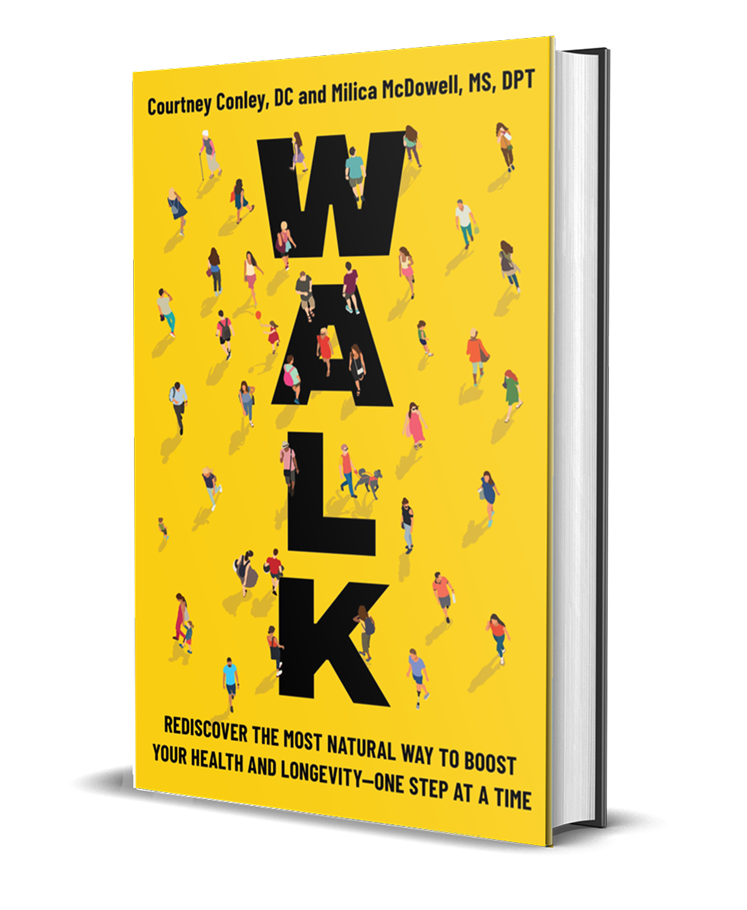
Walk - Dr. Conley’s New Book is HERE!
Discover the new rules of walking to increase your health, longevity, and overall wellbeing from two go-to experts.
Discover the new rules of walking to increase your health, longevity, and overall wellbeing from two go-to experts.





 Understanding Achilles Tendonitis
 Tips for Preventing Achilles Tendonitis
 Treatment for Achilles Tendonitis
 Conclusion – Preventing Achilles tendonitis