

What Are Hammertoes?
Hammertoes are a common foot condition caused by an imbalance between the toe flexor and extensor muscles. This imbalance leads to a curling and lifted position of the toes, which can become rigid over time if not addressed.
For those who want the nitty-gritty details, this typically involves:
- Overuse and tightness in flexor digitorum longus and extensor digitorum brevis
- Underuse and weakness in flexor digitorum brevis and extensor digitorum longus
This muscle imbalance contributes to the characteristic bent position of the toes. However, hammertoes can range from flexible to rigid, and identifying where you fall on this spectrum is key to knowing what to do next.
Can Hammertoes Be Fixed?
The number one question we get is: Can hammertoes flatten?
The answer? It depends.
The more flexible your toes are, the better the chances of them straightening out with consistent care. That’s why early intervention is crucial. If your hammertoes are still flexible, there’s room for improvement! Even if they are more rigid, you can still work on mobility and strength to help manage symptoms and prevent worsening.
Steps to Improve Hammertoes
If you want to improve hammertoes, you need to work on both mobility and strength. Here’s how:
1. Improve Toe Mobility
Spend 90 seconds to 2 minutes working through the toe and foot tissues daily. This helps restore movement before strengthening.
2. Strengthen the Right Muscles
Here are some simple but effective progressions:
- Isometric Exercises: Use your fingers or a towel to lengthen the toes, then press them down while keeping them extended. This activates the foot’s intrinsic muscles.
- Calf Raises: Perform controlled raises without gripping the toes. Keep them relaxed and start with smaller ranges until you build control.
- Sled Pushes: These encourage strong foot function with proper mechanics.
⚠️ If you have a rigid hammertoe or a second toe that won’t straighten, consult a professional. It may be due to a plantar plate rupture, which requires different management. Taping techniques and the right footwear can also help in these cases.
Best Footwear for Hammertoes
Your shoes play a massive role in hammertoe management. Here’s what to look for:
- Wide Toe Box – Gives toes the space they need to function.
- Flexible Upper Material – Reduces pressure on the tops of your toes.
- Appropriate Cushioning – If you have fat pad atrophy or plantar plate issues, some cushion under the ball of the foot can be helpful.
Here are a few recommended shoes, listed from most supportive to most minimal:
- Topo Athletic Phantom – A more cushioned shoe with a 5mm heel-to-toe drop, wide toe box, and flexible mesh upper.
- Altra Escalante Racer – A lower-cushion option with a wide toe box and breathable upper.
- Lono Barefoot – A truly minimal shoe. This one takes work! You need strong, mobile feet to wear these successfully.
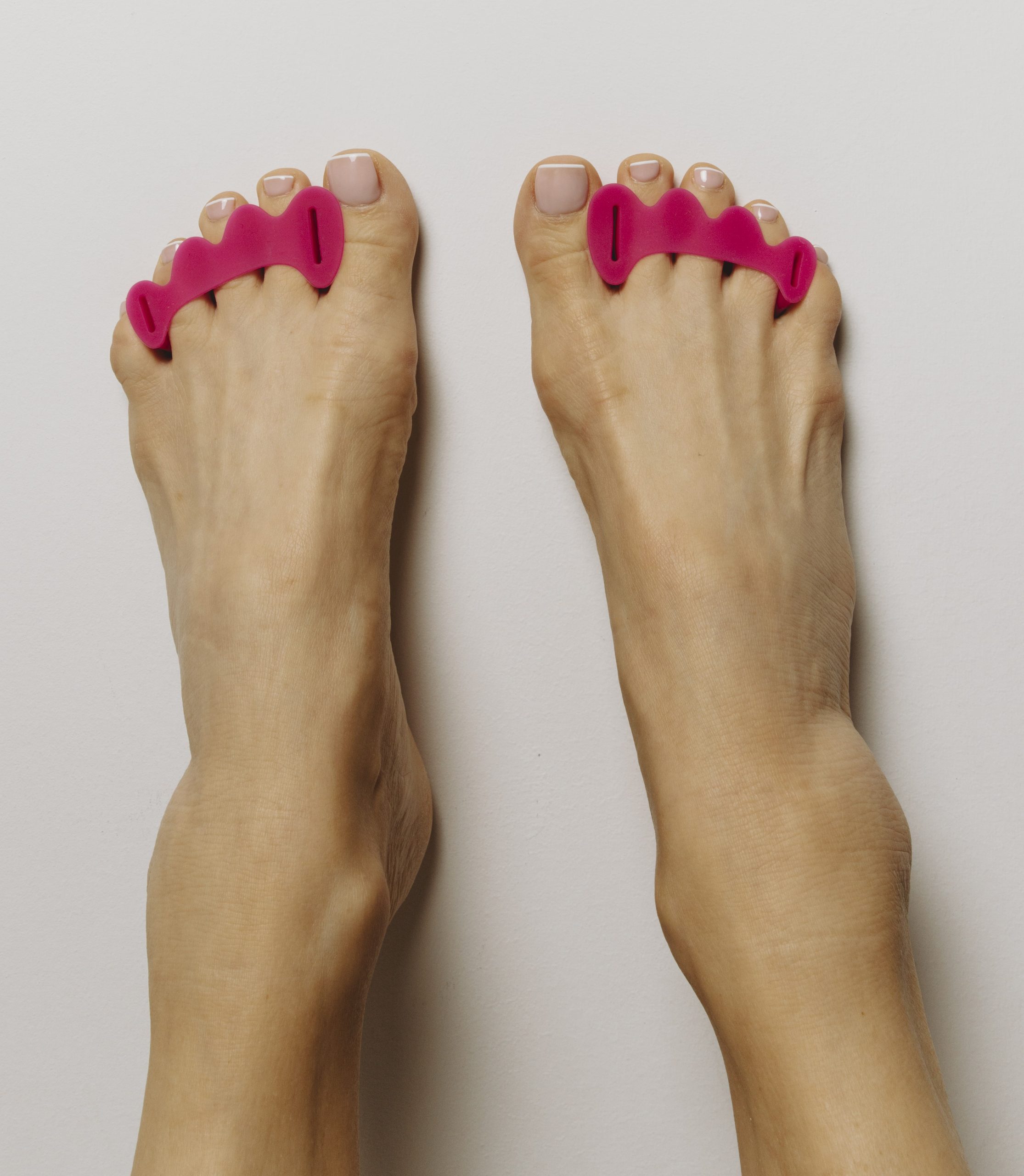
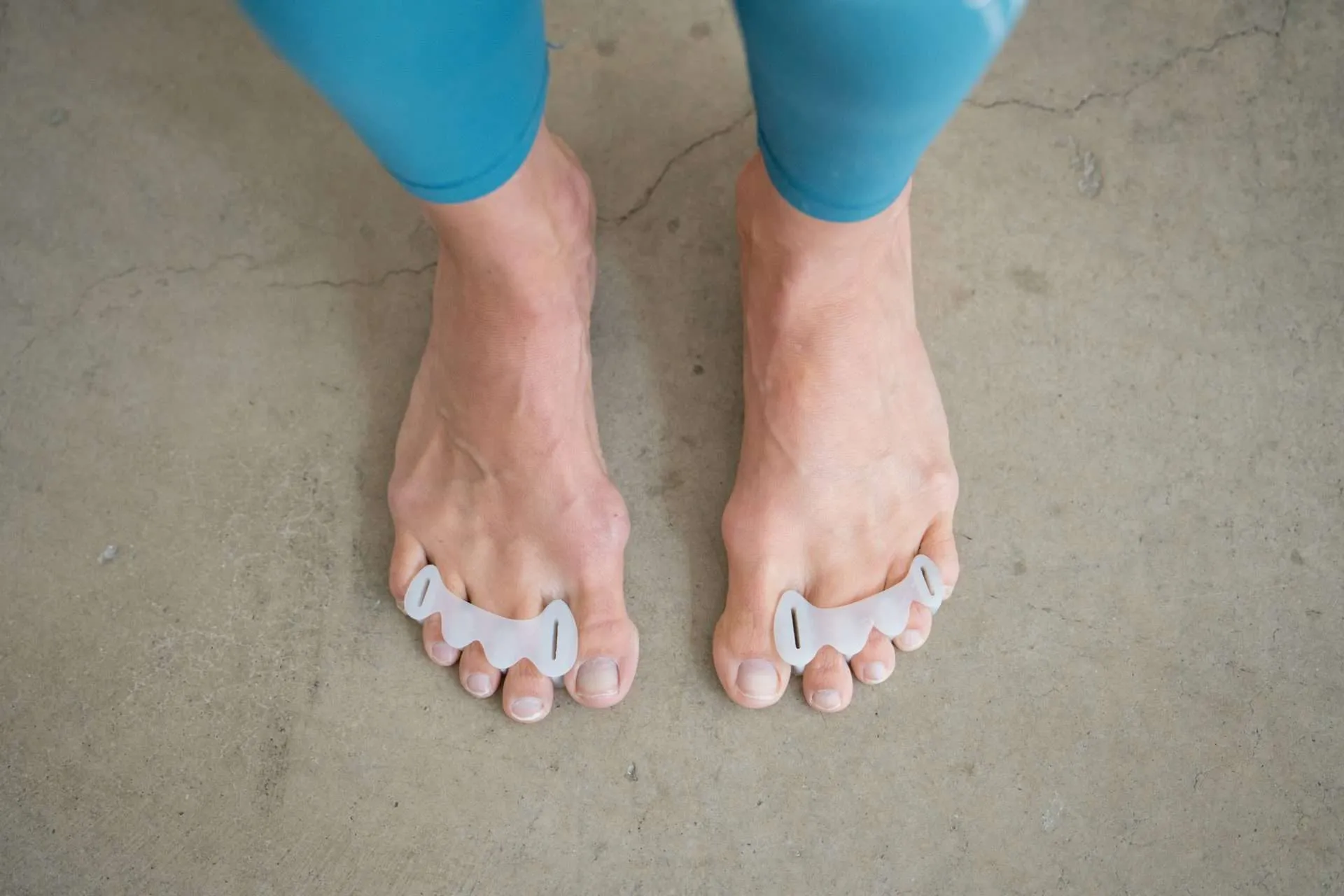
If you have a rigid hammertoe, elevated 2nd metatarsal, or plantar plate issues, stick with the Topo Athletic or Altra for extra cushioning. And yes—you can wear toe spacers with all of these shoes!
Final Thoughts
Hammertoes don’t develop overnight, and they won’t improve overnight either. But with consistent mobility work, strengthening, and proper footwear, you can make significant progress. Early intervention is key, so start giving your feet the attention they deserve today!